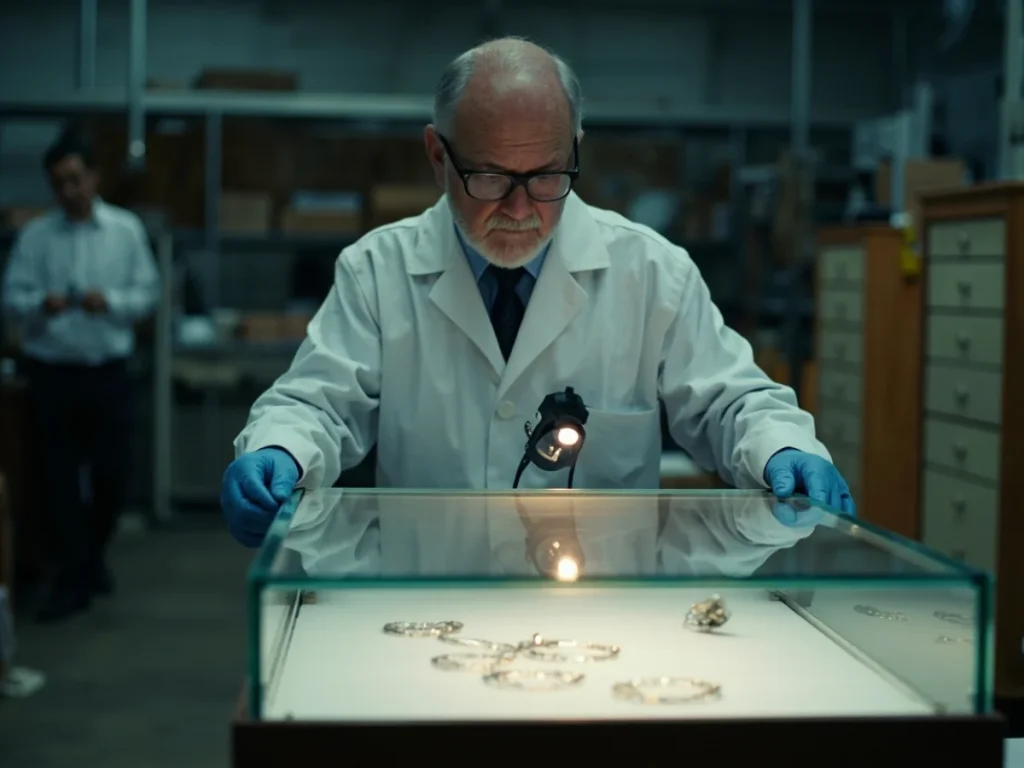
Selecting a luxury display vitrine is a decision that directly affects how customers perceive your brand, how safely your high-value items are stored, and how efficiently your sales staff can operate. Unlike standard retail shelving, a vitrine for luxury goods must balance aesthetics, security, and preservation. This guide walks you through the key technical and commercial considerations when buying display cases for jewelry boutiques, watch stores, museums, and luxury retail environments, with concrete specifications and cost benchmarks drawn from real-world manufacturing.
What Exactly Is a Luxury Display Vitrine?
A vitrine is a display case with glass panels, designed to showcase and protect valuable items. In luxury retail, the term implies more than basic glass and a lock. It typically features low-iron glass, precision LED lighting, premium hardware, and finishes that match the store’s interior architecture. The goal is to make the product the hero while the case itself recedes—or, in some designs, becomes a sculptural element that reinforces the brand. Sizes range from small countertop units (around 400 × 400 × 300 mm) to full-height wall cases (up to 2400 mm tall). Custom dimensions are common because boutique floor plans rarely fit standard furniture.
Critical Materials and Construction Details
The materials you choose affect clarity, durability, and long-term cost. For glass, low-iron glass (also called ultra-clear) is standard for luxury vitrines because it eliminates the green tint of ordinary float glass and offers 91–92% light transmission. Thickness ranges from 6 mm for small countertop cases to 10–12 mm for large freestanding units. Tempered or laminated safety glass is a must; laminated glass with a 1.52 mm PVB interlayer provides added security and UV filtration.
Frames and bases can be made from anodized aluminum, stainless steel, brass, or wood veneer. Powder-coated steel is cost-effective but less premium; brushed stainless steel 304 is a common upgrade for high-touch areas. Interior linings matter too: suede, velvet, or microfiber reduce glare and protect delicate finishes. For museums, archival-grade materials that off-gas low VOCs are essential to prevent tarnishing or deterioration of artifacts.
Lighting and Glass: The Clarity Equation
Lighting can make or break a luxury display vitrine. The two main options are LED strip lights and fiber optic systems. LED is now dominant due to energy efficiency, low heat, and long life (50,000+ hours). For jewelry and watches, a color temperature of 3000K–4000K with CRI (Color Rendering Index) of 90+ ensures diamonds sparkle and gold looks warm without distortion. Avoid cool white (6000K+) unless the brand aesthetic demands it.
Placement is equally important. Integrated top lighting with diffusers eliminates hot spots. Adjustable spotlights can highlight individual pieces. For museums, UV-filtered glass or films are non-negotiable; UV radiation fades pigments and weakens textiles. Also consider anti-reflective coatings: they reduce glare from overhead lights and windows, improving visibility by up to 8% in some tests.
Security Features to Specify
Security is a primary reason to invest in a proper vitrine. Basic locks are insufficient for high-value inventory. Look for these features:
- Cam locks or high-security cylinder locks with key control (e.g., registered keyways).
- Laminated glass that resists smash-and-grab attempts; 6.4 mm laminated glass can delay forced entry significantly.
- Alarm integration: glass break sensors, vibration detectors, and magnetic contacts that tie into your central alarm system.
- Internal anchoring to floor or wall for tall units to prevent tipping.
- Optional time-delay locks or electronic keypads for inventory control.
For museum-grade applications, consider climate control (passive silica gel or active humidity regulation) to maintain 45–55% relative humidity and stable temperature.
Cost Factors and Budgeting
Prices for luxury display vitrines vary widely based on size, materials, and features. As a general guide for custom manufacturing:
- Small countertop vitrine (400 × 400 × 300 mm, low-iron glass, LED): $180–$450 per unit.
- Mid-size floor case (600 × 600 × 1200 mm, stainless steel frame, locking): $650–$1,200.
- Large wall or island case (1200 × 600 × 900 mm, premium finishes, integrated lighting): $1,500–$3,500.
- Museum-grade custom vitrine with climate control and archival materials: $3,000–$8,000+.
These are indicative ex-works prices from a Guangzhou manufacturer; final cost depends on order volume, customization, and shipping. Tooling or mold costs apply for completely custom extrusions or castings. Always request a detailed breakdown of materials, labor, and packaging.
Working with a Manufacturer: What to Prepare
To get an accurate quote and smooth production, prepare a brief that includes: dimensions (L × W × H), quantity, preferred materials and finishes, lighting requirements, security features, and any brand guidelines (colors, logos). If you have floor plans or reference images, share them. A good manufacturer will provide 3D renderings and technical drawings before production. Lead times for custom vitrines typically range from 25 to 45 days, plus shipping. For orders over 50 units, sea freight is usually most economical; for urgent smaller orders, air freight may be justified.
Libafang Showcase Co., Ltd. manufactures custom display vitrines in Guangzhou for jewelry stores, watch boutiques, museums, and luxury retailers, exporting to over 30 countries. The company offers free design consultation with 3D renderings and transparent quotes based on your specifications.
Final Checklist Before You Buy
Before placing an order, confirm: glass type and thickness, lighting CRI and color temperature, lock type and key control, interior lining material, electrical certification for your country (CE, UL, etc.), packaging standards (wooden crates for export), and warranty terms (typically 1–2 years on hardware and LEDs). Ask for a pre-shipment inspection report and reference photos of the finished goods. A well-specified vitrine will serve your boutique for a decade or more, protecting both your inventory and your brand image.
Ready to elevate your luxury retail display? Request a free design and quote today—share your dimensions and requirements, and receive a tailored proposal within 24–48 hours.