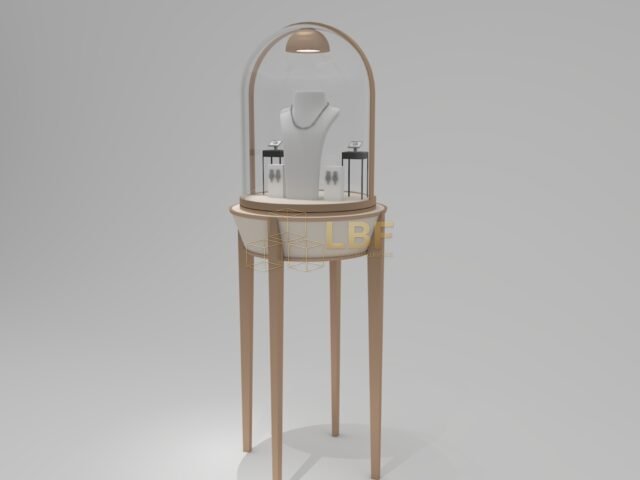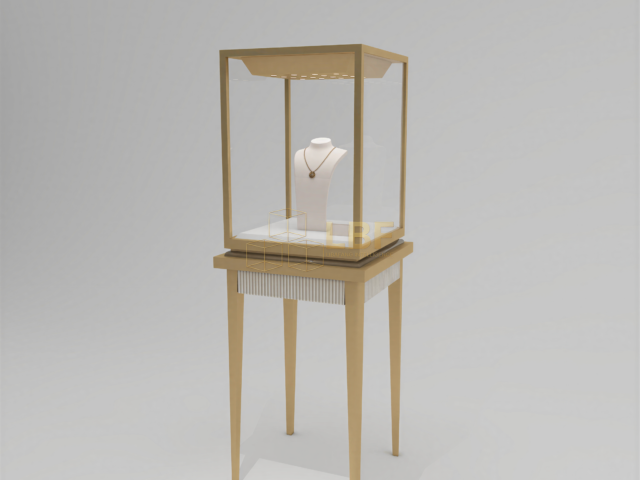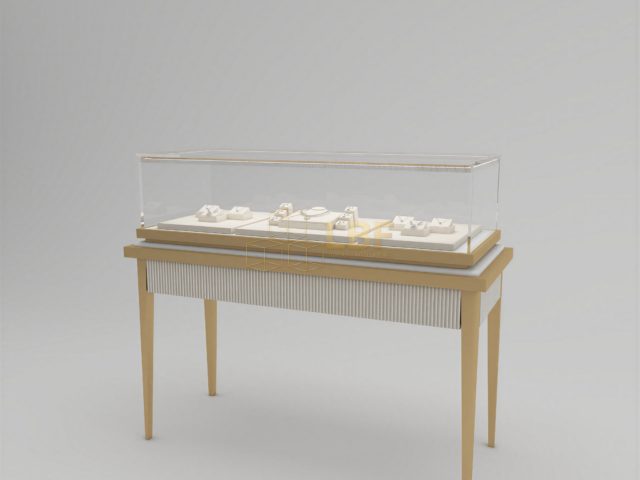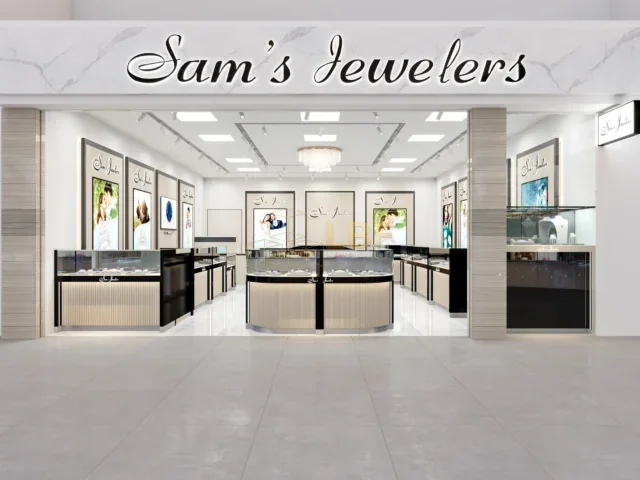
Approving a set of jewelry showcase drawings is a milestone, not the finish line. In real projects—whether it’s a multi-store rollout across three countries or a single flagship museum vitrine—revisions after approval are almost inevitable. A late change to LED color temperature, a store manager who suddenly wants more drawer depth, or a brand team that adds a new watch line mid-production can all trigger adjustments. Handling these jewelry showcase design revisions with a clear process, realistic cost expectations, and firm cutoff points is what separates a smooth delivery from a painful one.
Why Revisions Are Common After Drawing Approval
Drawing approval typically covers dimensions, materials, finishes, and lighting specs. But approval is often given by a project manager or brand coordinator who doesn’t have final sign-off on every detail. According to industry patterns, over 60% of custom showcase projects receive at least one post-approval revision. The most frequent causes: late-arriving visual merchandising guidelines, updated product tray dimensions, changes in security glazing requirements, and local electrical code variations. Recognizing these triggers early can reduce surprises.
Set a Revision Window and a Hard Freeze Date
Open-ended revision periods kill schedules. We recommend defining a revision window of 10 business days after drawing approval, during which minor changes are handled at no design fee. After that window, a hard freeze date locks the design for production. Any change after the freeze date moves the project to a formal change order. For a typical 40-showcase order, each day of delay after freeze can push delivery by 2–3 days due to material cutting and finishing queues. Communicate both dates in the approval confirmation email.
Prioritize Revisions by Cost and Schedule Impact
Not all revisions are equal. Sorting them by impact keeps the project moving. Use this simple classification:
- Level 1 – Cosmetic or informational: label placement, hardware color, or spec text errors. Usually fixed during production setup with no delay if caught within 5 days.
- Level 2 – Dimensional or material changes: altering drawer depth or swapping metal finish. Adds 3–7 days and 5–12% to unit cost.
- Level 3 – Structural or electrical changes: changing glass thickness, adding lock systems, or rerouting wiring. Adds 10–15 days and 15–25% to unit cost.
- Level 4 – Post-production changes: modification after final assembly. May require partial rebuild, adding 3–4 weeks and 30%+ cost.
Get all stakeholders to agree on this classification before production begins. It makes trade-offs objective.
Document Every Revision With a Change Order
Verbal or chat-app requests are the biggest source of disputes. Every jewelry showcase design revision—even a Level 1 change—should be recorded in a one-page change order that includes: description, reason, impact on cost and lead time, and a revised drawing snippet. Number them sequentially. Require written sign-off. This adds perhaps 15 minutes per change but prevents 90% of “that’s not what we agreed” conversations. Libafang issues numbered change orders for all post-approval revisions and tracks them in a shared project log.
Build Revision Costs Into Your Budget and Contract
Plan for at least one round of post-approval revisions in your contract. A reasonable allowance is 3–5% of the total showcase value held for minor changes. For example, on a $120,000 order, reserve $4,000–$6,000. Make clear in the contract which party bears costs for each revision level, and specify that Level 3 and 4 changes may require a new lead-time estimate. This financial transparency avoids friction when the inevitable change arrives.
Use Digital Tools to Reduce Revision Cycles
Many revisions stem from unclear drawings or missing 3D views. Providing a 3D model in addition to 2D drawings can cut revision requests by 30–40%. If your budget allows, request a simple 3D PDF or viewer link. Also, consolidate feedback through a single point of contact on the client side. When 5 people send separate comments, revisions multiply. One consolidated feedback sheet per round, using the classification above, keeps iterations fast. Libafang provides annotated 3D previews and a feedback template with every approved drawing set to streamline this step.
Revisions after drawing approval are not a failure—they are a normal part of custom manufacturing. What matters is managing them with clear windows, cost rules, and documentation so the final showcases meet expectations without derailing budgets or grand-opening dates. If you are planning a jewelry showcase project and want a smooth revision process, request a free design consultation and quote from Libafang—we will help you map out timelines, revision protocols, and cost allowances before the first drawing is even issued.