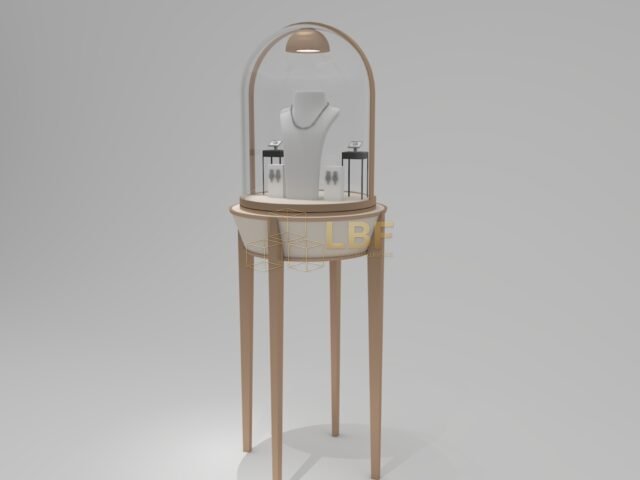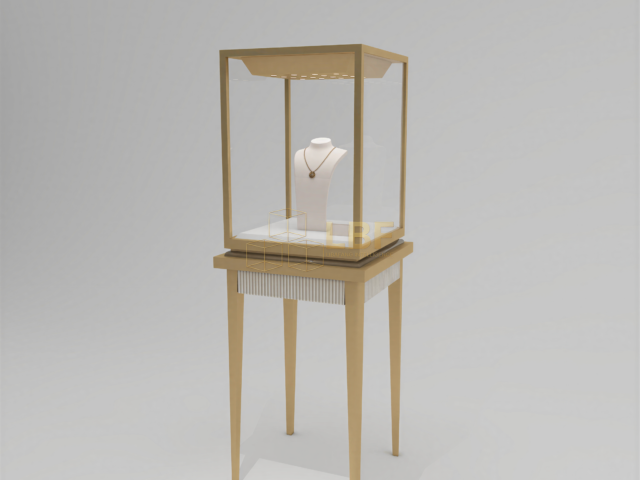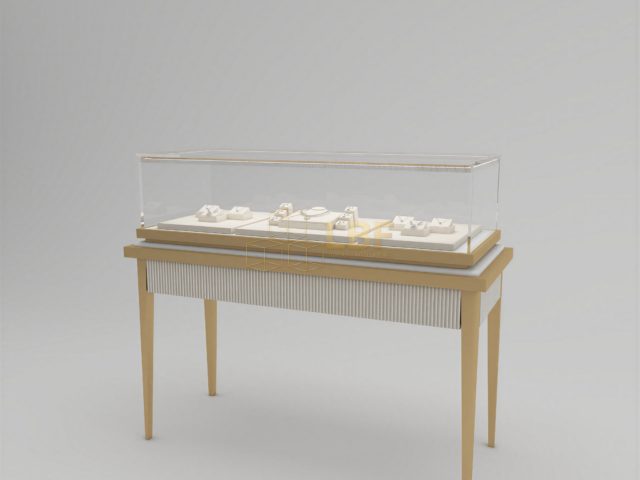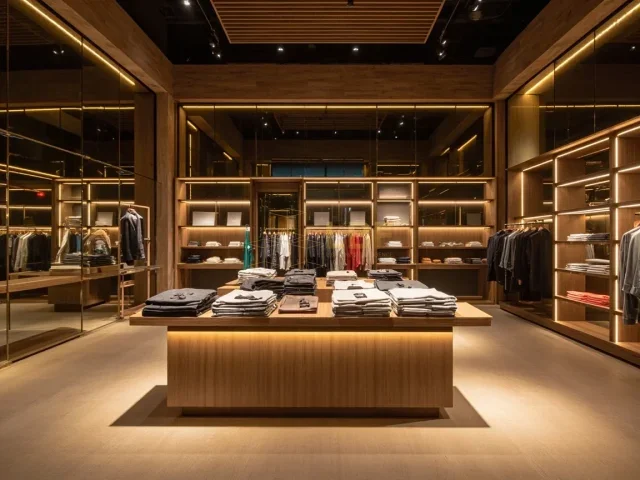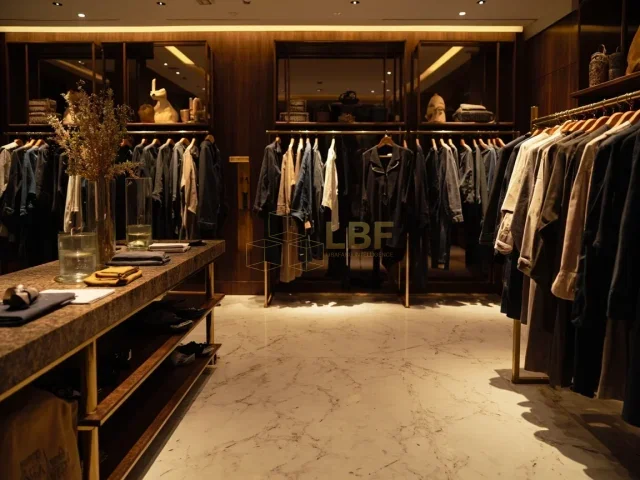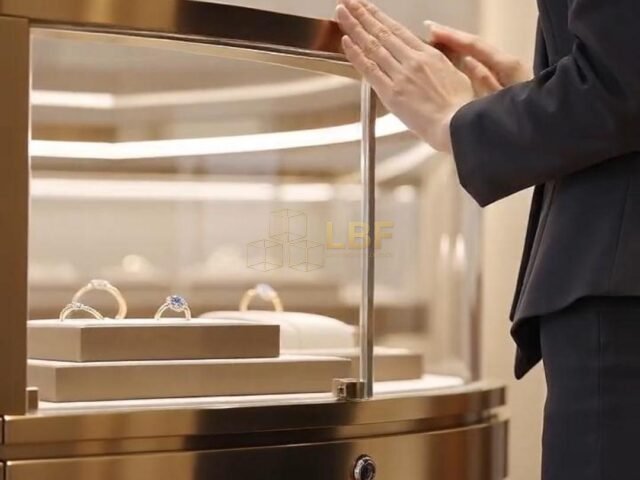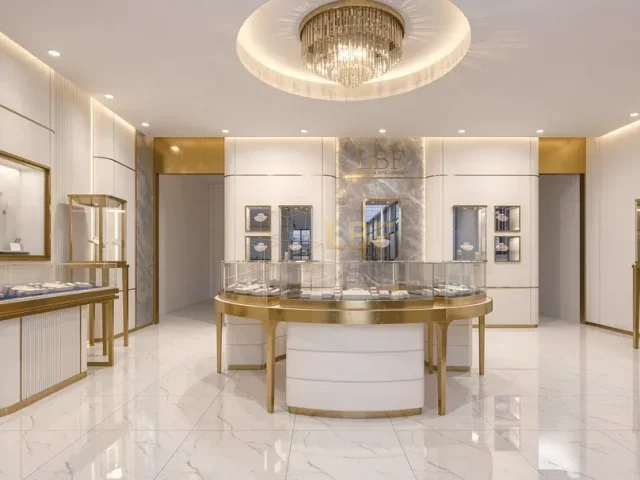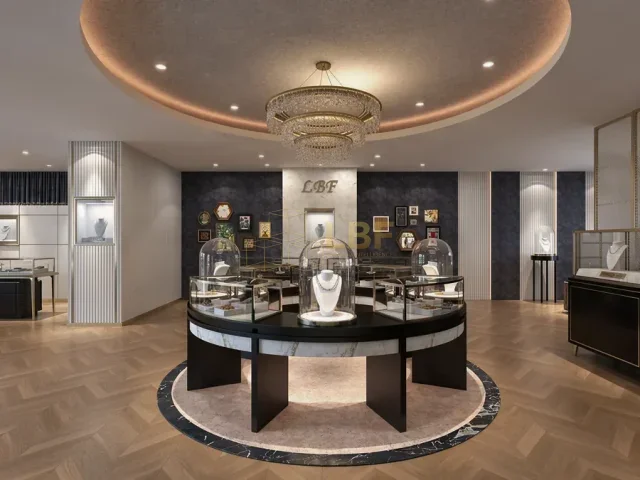

Luxury boutique display maintenance is not glamorous work, but it decides whether a showcase still looks premium after five years of daily use. A glass cabinet that shows fingerprints, a watch display whose LED strip has drifted from 4000K to a greenish 5200K, or a hinge that drags slightly when a sales associate opens it — these small faults erode the perceived value of the pieces inside. The good news is that most display failures are predictable and preventable. What boutiques usually lack is not effort but a written schedule: who cleans what, how often, with which materials, and what triggers a service call. This article outlines a practical care schedule you can adapt to any jewellery store, watch boutique, museum vitrine or luxury retail floor.
Start With an Inventory and a Baseline Audit
Before scheduling anything, list every display unit by ID, location and material: tempered glass, low-iron glass, acrylic, aluminium frame, brass, leather insert, velvet pad, LED module, lock type. Photograph each unit and note its condition. This baseline takes one afternoon for a 30-case boutique and pays for itself the first time you need to order a replacement part — knowing the glass thickness (typically 6–8 mm for framed showcases, 8–10 mm for freestanding vitrines) or the LED driver model saves weeks.
During the audit, record light hours. Most boutique LED systems are rated for 30,000–50,000 hours, so running displays at full brightness for 12 hours a day, 7 days a week uses roughly 4,400 hours a year — fine, but it means brightness should be checked, not assumed, after year three. Also note which cases sit near entrances, HVAC vents or direct sunlight; those will always need more frequent attention.
Daily and Weekly Routines
Daily care should take under 10 minutes per 20 cases. Assign it to opening staff and keep it simple:
- Daily (5–8 minutes): Wipe exterior glass with a microfiber cloth and a pH-neutral glass cleaner — two sprays on the cloth, never on the glass. Check that doors close flush and locks engage. Remove loose dust from velvet pads with a soft brush.
- Daily: Confirm all LED strips are lit and colour-matched; a single flickering segment is an early driver warning.
- Weekly (20–30 minutes): Clean interior glass and mirrored backs, vacuum display pads with a brush attachment on low suction, and wipe metal frames with a dry cloth. Check acrylic surfaces for fine scratches and note them.
- Weekly: Inspect hinges and drawer runners for stiffness; apply a dry PTFE lubricant only where the manufacturer specifies it, never general-purpose oil, which attracts dust and stains velvet.
Avoid ammonia-based cleaners on acrylic and coated glass, and never spray directly onto LEDs or electrical connectors. Keep a dedicated cleaning kit — microfiber cloths, two glass cleaners, soft brushes, lint rollers — stored away from the sales floor so it is not borrowed for other tasks.
Monthly Inspections and Seasonal Deep Cleans
Once a month, have a manager or visual merchandising lead inspect every case against a short checklist: glass chips at edges, frame alignment, seal condition, lock function, LED colour consistency, and interior pad wear. Log the results; trends matter more than single findings. A pad that needs replacing every six months suggests abrasion from a specific tray, not a bad supplier.
Every three to four months, schedule a deeper clean and rotate seasonal displays at the same time. This is the moment to remove glass shelves, clean them on both sides, check shelf supports for micro-cracks, and inspect the interior for dust ingress. If your boutique uses fabric backdrops, plan replacement or professional cleaning every 12–18 months depending on foot traffic.
Annual Service and the Five-Year Plan
Once a year, book a technical service visit covering what staff cannot safely do: LED driver and connection inspection, lock cylinder lubrication and key test, hinge torque adjustment, level re-check, and structural inspection of wall-mounted vitrines. In humid climates, also inspect sealed cases for condensation and verify desiccant packs. Plan for these lifecycle replacements so they are budgeted rather than surprises:
LED modules: inspect annually from year three, replace entire runs rather than single strips to keep colour temperature uniform. Velvet and suede pads: replace every 18–24 months in high-traffic stores. Glass: budget for one or two replacements per decade in entrance zones. Locks: service annually. If you need custom replacement inserts, shelves or fittings that match the original specification, working with the original manufacturer keeps tolerances consistent — Libafang supplies spares and matching components for showcases it has produced.
Simple KPIs and a Sample Schedule
Make the schedule visible and measurable. Track cleaning completion weekly, log every fault with date and unit ID, and review the log monthly. A useful target is fewer than two unplanned display repairs per quarter and zero customer-visible faults at opening. Write the schedule on one page, post it in the back office, and name an owner for each task.
A practical starting cadence looks like this: daily wipe and light check, weekly interior clean and hardware check, monthly inspection with photo log, quarterly deep clean and seasonal reset, annual technical service, and a full condition review every five years. Adjust frequency for climate, foot traffic and materials — a museum vitrine with sealed gaskets needs less dusting but stricter humidity monitoring than a high-street watch boutique.
A well-maintained showcase protects the products it holds and the brand it represents. If you are planning new display units or upgrading existing ones, request a free design and quote from Libafang — our Guangzhou team can supply custom showcases and the care guidance to keep them looking new for years.