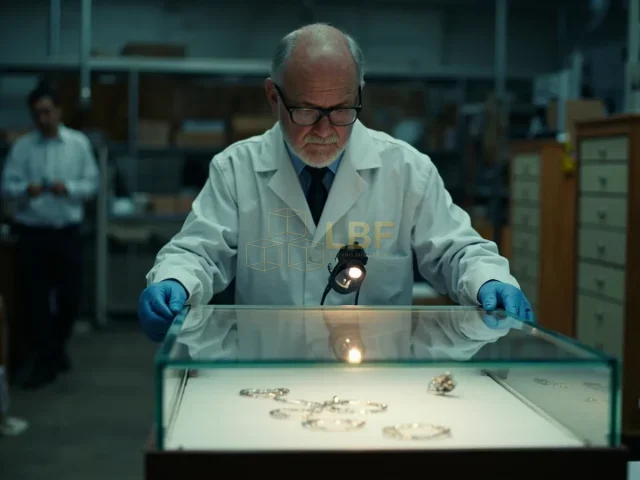
Museum display case replacement is expensive, disruptive and — if done poorly — risky for the objects it is meant to protect. Yet the decision to replace is often made on impressions (“the cases look dated,” “the doors stick”) rather than evidence. A structured assessment of existing cases takes two to four days for a typical 40–60-case gallery and gives you something far more useful than an opinion: a documented basis for repair, upgrade or replacement, and a specification that manufacturers can quote against. The audit also protects you from ordering new cases that repeat the same faults, or from replacing units whose only real problem is tired gaskets and an obsolete lamp.
Start with the object risk, not the cabinet
Before inspecting hardware, list what each case actually holds. A case holding textiles at 50% relative humidity has different requirements from one holding bronze. Run a three-tier classification across your collection: high-sensitivity objects (organic materials, pigments, metals prone to corrosion), moderate-sensitivity objects and robust objects. Note case counts and object counts in each tier. In most museums, 15–25% of cases hold the majority of high-risk material, and that minority should drive spending. A case protecting robust ceramics may be perfectly serviceable with a gasket change; a case holding 18th-century silk may justify replacement even if it looks fine.
Also record visitor exposure. Cases on a main route, in a brightly lit temporary exhibition space or near entrances face higher dust, vibration and UV loads than those in a low-traffic study gallery. Five years of service in a busy hall is not the same as five years in a reserve.
Audit six technical areas with measurements
Walk every case and score it in six areas. Where possible, measure rather than estimate; a datalogger and a light meter are enough for most of this.
- Sealing and air exchange: place a small CO2 or humidity datalogger inside a closed case for 48–72 hours with the room logger beside it. A well-sealed case shows slow, small drift; a failing gasket shows close tracking of room humidity within hours. Visible door perimeter gaps, hardened or compressed gaskets and warped frames are replacement-grade faults on high-sensitivity cases.
- Climate control hardware: check silica compartments, active humidity control units, hygrometers and any fans. Record last service dates. If passive silica needs changing every four to six weeks in a case that once held stable for months, the case is losing seal integrity.
- Glazing: identify glass type, thickness, laminate and optical coating. Measure UV transmission with a meter at several points. Museum-grade laminated glass should block over 98% of UV below 400 nm; ordinary float glass blocks little. Note scratches, delamination, edge chips and any glazing that is single-pane and unsafe if broken.
- Lighting: record lamp type, colour temperature, beam angle and whether fittings are internal or external. Check heat output at the object plane and cumulative exposure on sensitive items. Older halogen systems often need replacing for both conservation and energy reasons even when the case body is sound.
- Structure and access: inspect frame joints, base stability, levelling feet, door hinges, locks and lift-off mechanisms. Time how long it takes to open a case for a routine check. If a two-person operation is needed to move a vitrine, or a case cannot be opened without clearing adjacent display, accessibility is a real cost across years of daily use.
- Safety and compliance: tempered or laminated glazing where required, edge protection, child-height hazards, fire performance of case materials, and any local accessibility requirements for viewing angles and labels.
Quantify repair versus replacement
For each case, estimate the cost of bringing it to standard against the cost of a new unit. A useful rule of thumb: if remedial work exceeds roughly 50–60% of the price of a new case, replacement is usually the better value, especially where the glazing or seal is failing. Gaskets, hinges, locks and lamps are economical repairs; delaminated glass, warped frames, corroded base structures and obsolete climate units are not.
Build a simple table with case number, objects housed, tier, fault list, repair cost and replacement cost. Sort by risk, not by age. It is common to find that the oldest cases are structurally sound and the newest — often cheaper units bought for temporary exhibitions — are the ones failing seals. Presenting the audit this way also makes budget conversations easier: you are asking for funding against named risks to named objects, not for a general refresh.
Write a brief that gets comparable quotes
Once you know which cases must go, turn the audit into a specification before approaching manufacturers. Include: object types and weight limits; case dimensions and internal clearance; required sealing performance with a test method and acceptance figure; glazing specification with UV and optical requirements; humidity control approach (passive silica, active control or none); lighting schedule with lux targets and exposure limits; access method and maintenance time target; environmental and fire performance standards; and delivery, installation and site access constraints. Photos and measured drawings of existing cases shorten the design cycle considerably.
Documenting the failures also lets you ask prospective suppliers how their design addresses each one. A manufacturer accustomed to museum work will recognise a sealing performance target and a maintenance-access requirement as design inputs, not afterthoughts. Libafang, for example, builds custom showcases for museums and luxury retail and works from object-based briefs of this kind, including climate-controlled and passively buffered case designs. Expect a 6–10 week lead time for custom museum cases depending on glazing and control systems, so commissioning should start at least a quarter before the gallery reopens.
Plan the transition so objects stay protected
Budget the practical side of a museum display case replacement, which is often underestimated. Allow for: temporary housings or conditional checks during the changeover; de-installation and condition reporting for every object; environmental stabilisation time before re-display (24–72 hours is typical); cleaning of new cases to remove off-gassing residues; and a commissioning period in which dataloggers verify that each case meets its humidity and temperature specification before objects go back in. Reserve 10–15% of the project budget for this transition phase and for the first year of seal and control re-checks.
Replace at most one gallery or zone at a time. A phased programme keeps some of the collection on display, spreads cost across financial years and lets lessons from the first batch improve the second.
If you are weighing museum display case replacement and want an objective starting point, send Libafang your case schedule, object types and fault notes. We will review the audit with our design team and return a free design proposal and itemised quote, including options for upgrade versus full replacement where the existing frames remain serviceable.