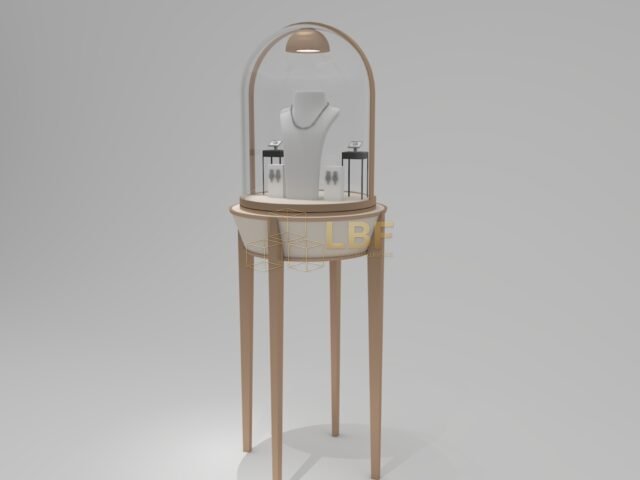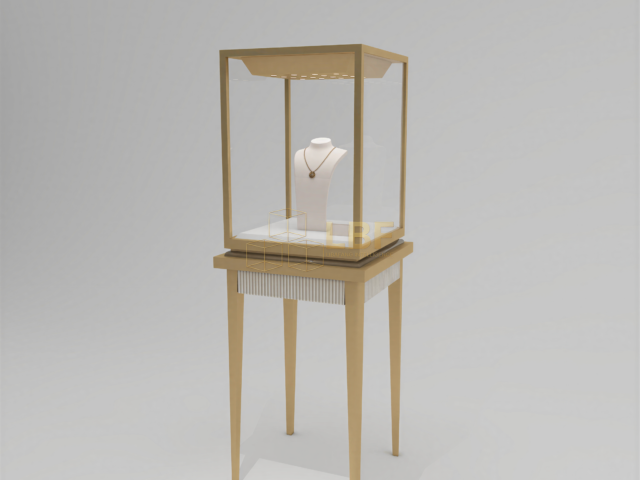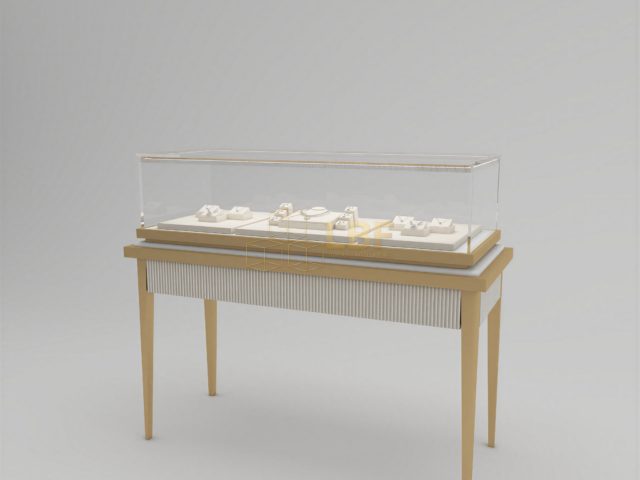

A luxury boutique fixture snag list is the difference between a smooth opening and a month of awkward conversations with your contractor. By the time showcases, wall units and counters are installed, hundreds of small defects are hiding in plain sight: a drawer that closes 2 mm proud, a warm LED next to a cool one, a glass shelf that rings when a bracelet is placed on it. On a typical 150–250 m² jewelry or watch boutique, a disciplined snag list will surface 60–150 items on the first walkthrough — and catching them before the final payment milestone is the only reliable way to get them fixed. This guide covers what to check, how to measure it, and how to structure sign-off so nothing slips past handover.
Build the Snag List Before the Walkthrough
Do not turn up on handover day with a clipboard and good intentions. Ask for the approved fixture drawings, the finishes schedule and the lighting schedule 10–14 days before completion, and walk the site weekly in the last month. Note defects against drawing numbers, not descriptions like “the tall cabinet on the left” — once the site is busy, location references drift. Use a simple spreadsheet with columns for location, drawing reference, fixture type, defect category, photo number, responsible party and target date. Number each item and photograph it with the item number visible, so a maker in another country can see exactly what you mean. If your fixtures are manufactured offshore, as is common with custom showcase production from Guangzhou, this photo-and-number discipline removes almost all ambiguity in the rectification round.
Casework, Showcases and Joinery: The Measurable Checks
Start with what you can measure, because measurable defects are the easiest to enforce. Bring a digital caliper, a 1 m steel rule, a 600 mm spirit level, a feeler gauge and a torch.
- Door and drawer alignment: gaps should be uniform within ±1 mm across the full height; no corner gap should exceed 2 mm.
- Level and plumb: showcase tops within 1 mm per metre; cabinets within 2 mm over their full height.
- Reveals and shadow gaps: consistent within 1 mm along the run, especially on wall units where lighting washes the face.
- Operation: open and close every door, drawer and sliding tray 10 times. Drawers should self-close fully from 150 mm out; soft-close should engage without a push.
- Glass and acrylic: no chips at edges, no visible fingerprints or silicone smears, shelves flat within 1 mm and free of rocking.
- Locks and security: every lock operates with its key, keys are labelled and a full set is handed over with a signed key log.
- Interior linings: suede, leather and fabric panels free of glue seepage, puckering and colour variation between panels from the same dye lot.
Pay particular attention to drawer runners and hinges on high-use units — the sales counter and the busiest wall run. These take the most load and are the most expensive to correct after trading begins.
Lighting and Glass: Where Luxury Fixtures Fail Quietly
Lighting is the single most common source of post-opening complaints in watch and jewelry boutiques, because defects are invisible in daylight and obvious at 8 pm. Check every circuit after dark. Colour temperature must be consistent across a run: a 3000K spot beside a 3500K spot will read as a yellow stain on white gold. Measure with a meter if you have one — variation across a display run should stay within 100K. Verify that no beam hits a customer’s eyes at the seating position, that the CRI is at least 90 for gemstone and metal display, and that dimming is smooth with no flicker or step at the low end. Confirm every fitting is accessible for lamp replacement without dismantling the cabinet. On glass, check edge polishing under raking light, look for delamination on laminated shelves and confirm that no shelf rings or flexes under a 5 kg test load. Also verify the UV position on any case displaying textiles, leather straps or artwork.
Finishes, Hardware and the Customer’s Eye Line
Now step back and look the way a customer will. Inspect finishes under raking light from 1 m and again from 3 m — small scratches, spray mottle and uneven sheen show up at different distances. Check that powder-coated and plated metal parts match the approved sample, that brass and bronze are lacquered where specified, and that stainless steel grain runs consistently in one direction. On counters, run a hand along every edge for sharp radii; specified radius should be held within 0.5 mm. Confirm the client-facing surfaces are free of filled screw holes, exposed fixings and visible wiring. If any fixture is branded or carries logos, verify placement, size and depth against artwork. Weak points to record even if minor: seams at junctions between wall and floor units, sealant lines, and any spot where a customer’s hand or bag will repeatedly contact a surface.
Safety, Documentation and the Sign-Off Sequence
Snagging is not only cosmetic. Confirm wall units are fixed to structure, not plasterboard, and ask for the fixing schedule. Check that tall showcases cannot tip under a 30 kg horizontal push, that glass is the specified thickness and type, and that any unspecified glass is safety glass. Confirm cable management is complete, that no live terminations are accessible, and that residual-current protection is tested. Then assemble the handover pack: as-built drawings, a maintenance schedule with lamp types and quantities, touch-up paint and material samples, spare parts list, warranty terms and the signed key log. Structure sign-off in stages — first walkthrough within 48 hours of practical completion, rectification window of 10–14 days, second inspection, then retention release. Hold 5–10% retention for 30–60 days after opening so that trading reveals defects a static inspection cannot.
None of this requires a large team, but it does require a list prepared in advance, a camera, a caliper and the discipline to write down every item, however small. Boutiques that skip one item on average per showcase usually spend the first month of trading apologising instead of selling. Libafang builds custom showcases and boutique fixtures for jewelry stores, watch boutiques and museums, and supplies a pre-handover inspection checklist with every project. Request a free design and quote to see how a factory-built fixture package with documented QC can shorten your snag list before the first walkthrough.