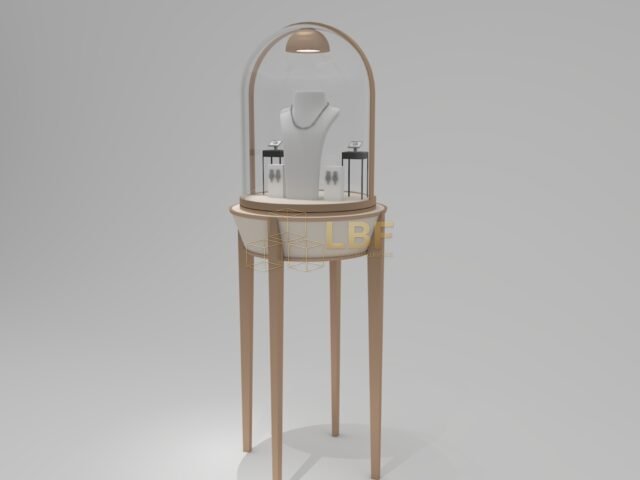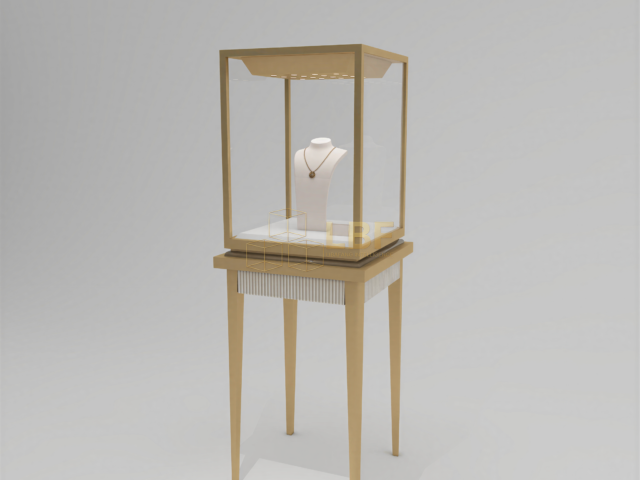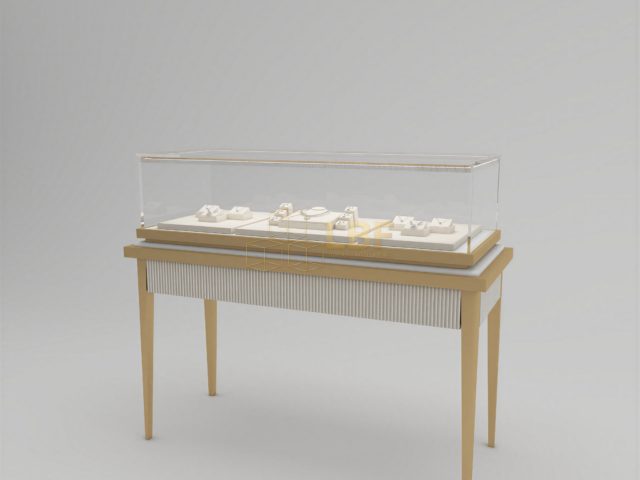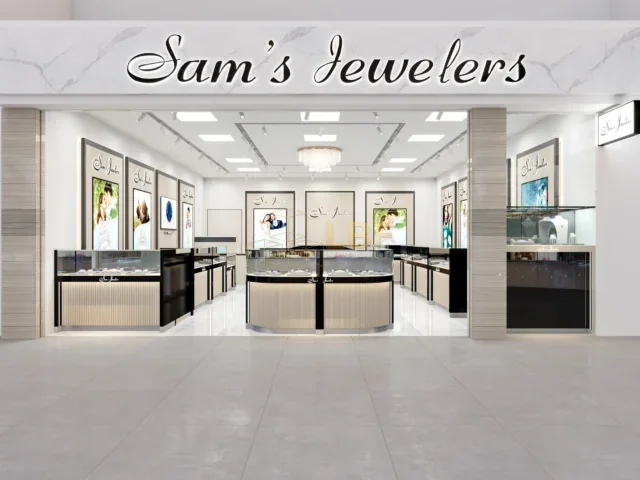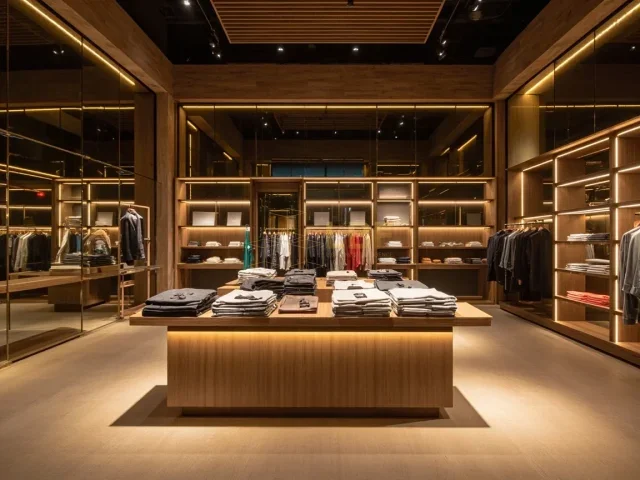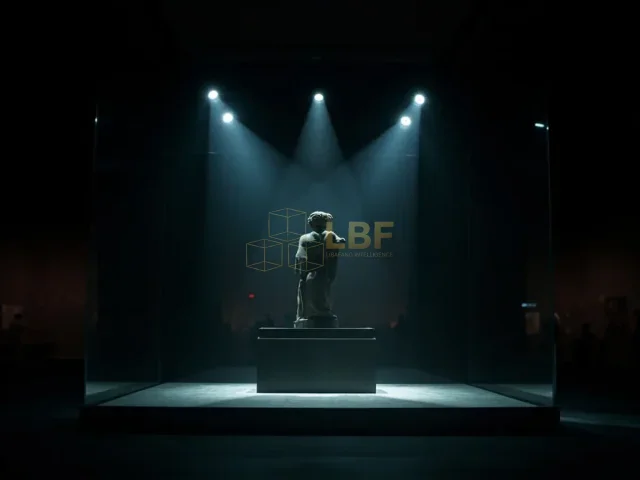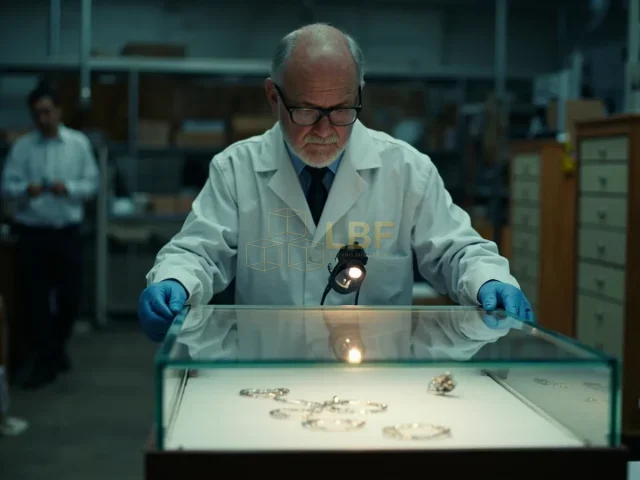

A museum display case is rarely just a box. It is a lighting instrument, a microclimate, a security barrier, a graphics surface and a piece of furniture all at once — and it sits at the intersection of three teams with different vocabularies. Curators think in narrative and visitor sightlines. Conservators think in pollutants, relative humidity (RH) swings and light exposure limits. Fabricators think in millimeters, tolerances and lead times. When these three groups meet late, or only by email, the result is predictable: change orders in the final month, cases that arrive with the wrong glazing, and opening dates that slip. Museum display case project coordination is the discipline that prevents this, and it works best when it is treated as a schedule with named owners rather than a series of friendly conversations.
Start with one shared object schedule
Everything downstream depends on knowing what goes inside. Before any case is quoted, the project needs a single spreadsheet listing each object: dimensions, weight, loan status, light sensitivity class, mounting requirements and any climate specification. Museums commonly band objects into three light categories — for example, no-UV visible light at or below 50 lux for the most sensitive organics, around 200 lux for moderate materials, and up to 300 lux for robust stone and metal — and each band may drive a different glazing and lighting package. Weight matters too: an object over 80 kg may need a reinforced base and a floor-loading plan, while a 40 cm sculpture may be fine on a standard plinth. One shared schedule, version-controlled and dated, prevents the classic error of a case designed for a pedestal that the registrar later swaps for a loan crate.
Define roles and decision rights in writing
Most delays are not technical; they are approval delays. Write down who signs off on what, and by when. A workable split looks like this:
- Curator — approves interior dimensions, sightlines, graphic panels and object placement; owns the narrative intent.
- Conservator — approves materials in contact with the object, gasket and sealant chemistry, RH targets and light levels; owns the environmental spec.
- Fabricator — approves structural design, glazing type and thickness, tolerances, and shipping method; owns manufacturability.
- Project coordinator — owns the schedule, the change log and the single point of contact for the fabricator.
- Facilities or preparator — confirms floor loading, doorway widths, power and HVAC supply to the case location.
Name individuals, not departments. “Conservation to review” stalls for weeks; “Dr. A. to confirm gasket chemistry by 12 March” moves.
Lock the technical spec before design development ends
Specify the variables that are expensive to change later. Glazing is the usual culprit: 6 mm laminated low-iron glass with an anti-reflective coating and a UV filter behaves very differently from 10 mm acrylic, and the choice affects weight, optics, frame profile and cost. Ask for the light transmission figure and the UV cutoff in writing rather than “museum-grade glass.” For sealed cases, agree the target RH range and the leak rate before fabrication — passive silica gel systems suit stable environments, while active conditioning units need power, service access and a sealed cable route. Tolerance matters as well: a case built to plus or minus 1 mm will fit a recess built to plus or minus 5 mm only if someone checks both. Request a tolerance drawing from the fabricator and circulate it to the site contractor.
Run a sample and mock-up gate
No museum should approve a finish from a photograph. Build a gate into the schedule at roughly 30 percent of the production timeline where physical samples arrive: a glazing corner showing the frame joint, a powder-coat or veneer panel, a fabric swatch for the plinth top, and a mock-up of the lighting module at working height with the actual lamp temperature. Conservators can then smell and test the materials for off-gassing before the full order is cut. Budget two to three weeks for this review and confirm in writing that approval freezes the finish; late finish changes on a 20-case order can add four to six weeks and a meaningful cost premium.
Coordinate factory acceptance, shipping and installation
Before packing, hold a factory acceptance test with photos and a checklist: dimensions against the approved drawing, door alignment, lock function, lighting output, seal integrity and finish match to the approved sample. Agree who pays for crating and whether cases ship assembled or knocked down — a 2.4 m vitrine that clears the loading dock may still fail a 1.9 m service lift. Produce a simple installation sequence with the site team, including protection of finished floors, power connection points and the moment the conservator signs off on the case environment (a 24 to 48 hour stabilization period is common before objects go in). Libafang builds custom cases for jewelry, watch, museum and luxury retail projects and supplies dimensioned drawings and finish samples for exactly this approval chain, which shortens the back-and-forth for overseas buyers working across time zones.
Close the loop with a handover pack
Finish with documentation the museum can actually use: as-built drawings, glazing certificates, lamp specifications and replacement part numbers, silica gel quantities and regeneration intervals, cleaning instructions for coated glass, and the warranty terms. Record the final RH and light readings in the pack so future registrars inherit real data, not assumptions. A short handover meeting — 60 to 90 minutes with curator, conservator and facilities — catches the small misunderstandings that otherwise surface during the first exhibition change.
Coordinating curators, conservators and fabricators is mostly a matter of sequencing decisions and writing them down. If you are planning a museum or retail display case project and want the technical drawings, sample schedule and quotation in one package, request a free design and quote — send us your object schedule and case locations and we will return a coordination plan with lead times.