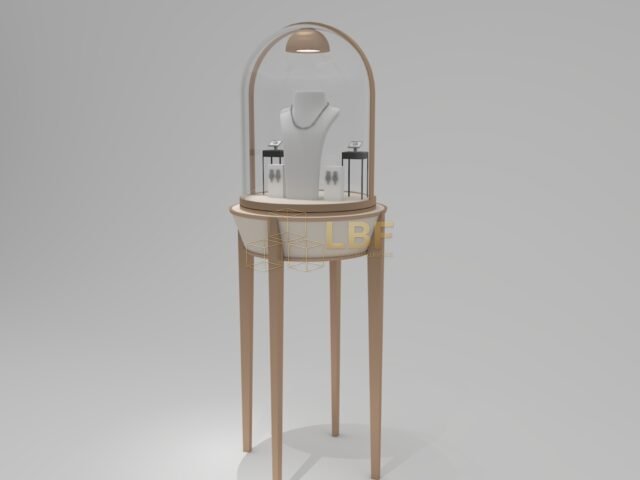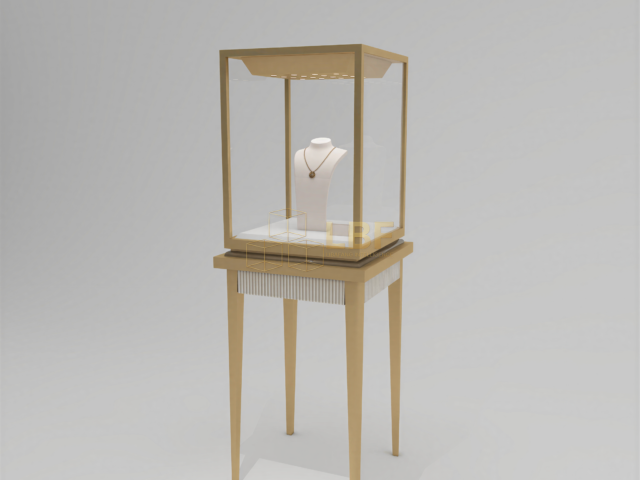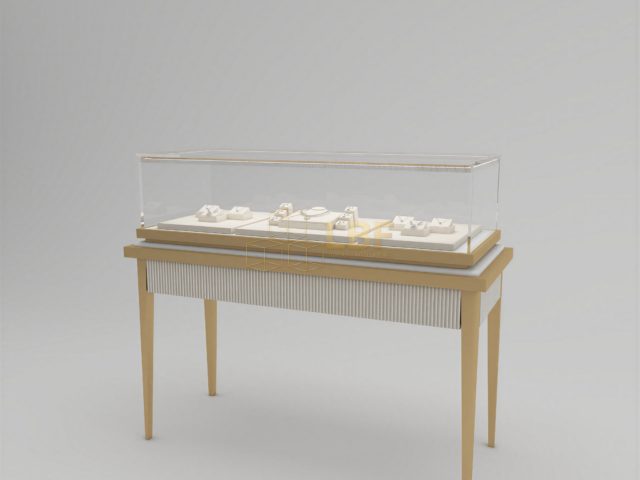
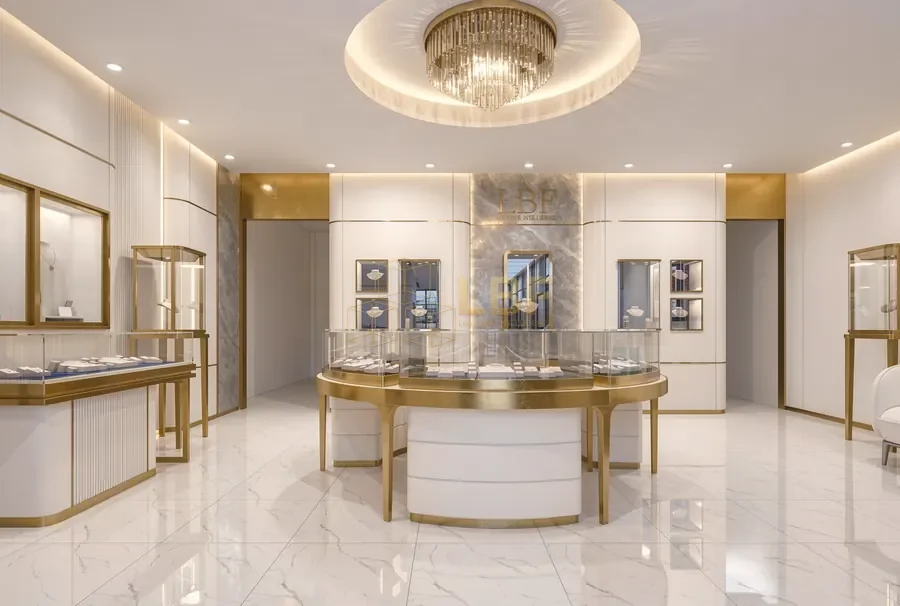
Anchoring a museum display case is not just a construction detail—it’s a convergence of structural engineering, conservation requirements, and safety regulations. A case that shifts under foot traffic, fails in a seismic event, or introduces vibration to delicate artifacts can cause irreparable damage. To avoid costly mistakes, you need to ask the right questions early. This article provides concrete questions for your structural and conservation teams, helping you specify anchoring that protects both the collection and the building.
What Are the Structural Load Limits and Floor Conditions?
Before selecting anchors, your structural engineer must confirm the floor’s load capacity and composition. A typical museum floor may be a raised access floor, concrete slab, or historic timber—each with different anchor pull-out strengths. Ask: What is the maximum point load and live load the floor can support? For a 2-meter-tall case weighing 400 kg, the anchors must resist overturning moments from accidental impacts, often requiring a minimum pull-out strength of 5 kN per anchor in concrete. If the floor is a raised access floor, anchoring may be limited to the panel grid, requiring load distribution plates. Also, check for underfloor services (conduits, pipes) that could be damaged by drilling. Concrete scans (GPR) are recommended before any penetration.
How Will Anchoring Accommodate Seismic and Vibration Requirements?
In seismic zones, display cases must be anchored to prevent tipping during earthquakes. Your structural engineer should specify the design earthquake load based on local codes (e.g., ASCE 7 in the US, Eurocode 8 in Europe). Ask: What seismic zone is the building in, and what horizontal acceleration should the anchors resist? For a 500 kg case in a high-seismic zone (PGA 0.4g), anchors may need to resist 2 kN horizontally. Conservation teams will also ask about vibration transmission: rigid anchors can transmit floor vibrations to artifacts. Consider isolators or neoprene pads between the case and anchors to dampen frequencies above 10 Hz. The goal is a solution that holds the case secure without amplifying vibrations that could crack ceramics or loosen mounts.
What Are the Conservation Requirements for Reversibility and Material Compatibility?
Conservation ethics demand that any intervention be reversible and not harm the artifact or historic fabric. For anchoring, this means avoiding adhesives that bond to historic floors and using mechanical anchors that can be removed with minimal damage. Ask your conservation team: Are there restrictions on drilling into historic floors? For listed buildings, a common approach is to use a freestanding case with a seismic base that relies on weight and friction rather than floor penetration—but this must be validated by an engineer. Also, consider material compatibility: stainless steel anchors are preferable to zinc-plated ones to avoid corrosion near sensitive metals. If chemical anchors are used, ensure low-VOC products that won’t off-gas into the case environment.
How Should You Plan for Installation and Future Maintenance?
Anchoring decisions affect installation logistics and long-term maintenance. Ask the structural team: What are the torque specifications and cure times for the anchors? For epoxy anchors, cure time can be 24 hours at 20°C, which impacts the installation schedule. Will the anchors be accessible for inspection and re-torquing? In museums, cases may be moved for gallery rotations—reversible anchors with removable bolts are ideal. Conservation teams will also want to know: Can the case be unmounted without damaging the floor? This is critical for temporary exhibitions. Plan for anchor points that are discreet (e.g., recessed into the case plinth) and document their locations for future reference.
Which Anchor Types Meet Both Structural and Conservation Needs?
There is no one-size-fits-all anchor. The choice depends on floor type, load, seismic zone, and conservation constraints. Below is a checklist of questions to ask your teams when evaluating anchor options:
- Mechanical anchors (wedge, sleeve): Suitable for concrete? What is the minimum edge distance (typically 1.5 times embedment depth)? Can they be removed without special tools?
- Chemical anchors (epoxy, vinylester): Are they approved for cracked concrete? What is the curing time and temperature range? Do they emit VOCs that could affect artifacts?
- Adhesive anchors: Only for non-historic floors? Can they be cut flush and patched reversibly?
- Freestanding bases with seismic restraint: Is the case weight sufficient, or are tie-downs needed? What is the friction coefficient of the floor?
- Isolation mounts: Do they reduce vibration transmission by at least 50%? Are they compatible with the case leveling system?
Cross-reference these with your conservation team’s requirements: for example, if the floor is historic marble, mechanical anchors with a removable bolt and a fabric pad may be the only acceptable option.
How Can Libafang Help You Integrate Anchoring Early?
At Libafang, we design custom display cases with anchoring in mind from the start. Our engineers can provide anchor layout drawings, load calculations, and coordination with your structural team. We also offer conservation-friendly options such as reversible anchor plates and vibration-damping mounts. By involving us early, you avoid costly retrofits and ensure your museum display case anchoring meets all safety and preservation standards.
Ready to discuss your project? Request a free design and quote today—our team will review your floor plans and conservation requirements to recommend the right anchoring solution.