Natural history specimens are unforgiving clients. A taxidermy bird, a fossil slab, a pinned beetle collection, or a mineral cluster each demand a case that fits precisely, supports the object correctly, and allows safe access for conservators and curators. Off-the-shelf museum display cases rarely meet these requirements. This article breaks down the three decisions that determine whether a natural history display case works: size, supports, and access. Each section includes concrete numbers you can use in a specification or tender document.
Start with the specimen, not the room
The most common specification error is choosing a case footprint before measuring the objects and their support needs. For natural history display cases, work from the inside out. Measure the specimen’s maximum dimensions—height, width, depth—including any mount or base. Add clearance for handling: a minimum of 75–100 mm on all sides for small specimens, and 150–200 mm for large or fragile items. This clearance allows gloved hands to lift and place objects without knuckle contact with glass.
Account for the weight. A large fossil can exceed 200 kg, while a drawer of minerals might weigh 40 kg. The case floor and shelf load ratings must be specified accordingly. Standard museum cases often rate shelves at 40–60 kg per shelf; heavy specimens require reinforced steel sub-frames rated to 150 kg or more. If you plan to display a specimen on a raised plinth inside the case, include the plinth height in the interior height calculation.
Interior dimensions and sightlines
Visitors should see the specimen, not the case. For table-top and counter-height cases, the ideal viewing angle is 15–30 degrees downward. A case 900–1000 mm high with a 600 mm deep deck works for small specimens. For upright cases, the specimen’s center should sit at 1400–1600 mm above the floor—the average visitor’s eye level. This means a 2000 mm tall case might have its display zone between 800 mm and 1800 mm.
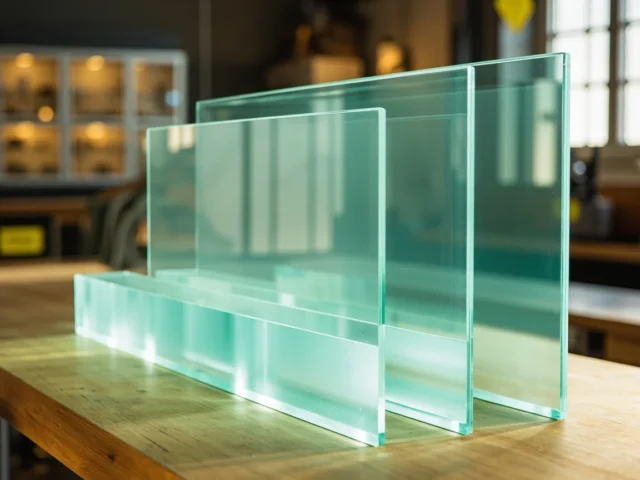
Depth matters. A specimen 400 mm deep needs a case interior of at least 550 mm to allow front and back clearance for air circulation and handling. For large dioramas, interior depth can exceed 1200 mm. Remember that glass reflections increase with depth; use low-iron glass with anti-reflective coating on the viewing side to maintain clarity.
Consider future acquisitions. A case specified for today’s collection may need to accommodate a larger specimen later. Designing 10–15% extra interior volume is a cost-effective hedge.
Support systems: mounts, plinths, and shelves
The support system should be invisible to visitors and safe for the specimen. For natural history display cases, three support types are common:
- Custom mounts: made from brass, acrylic, or steel, shaped to the specimen’s contours. A taxidermy bird mount typically requires a 6–10 mm brass rod and a base plate. Ensure the mount is padded with archival foam or felt at contact points.
- Adjustable shelving: for collections of minerals, fossils, or eggs. Specify shelves with 32 mm pitch adjustment and a load rating of at least 50 kg per shelf for dense specimens. Glass shelves should be 10 mm tempered for spans over 800 mm.
- Plinths and decks: for large or heavy specimens. A plinth should be sized 50–75 mm wider than the specimen’s base on each side, with a non-slip top surface. For a 150 kg fossil, a plinth built from 18 mm plywood with a steel frame is appropriate.
All support materials must be stable and non-offgassing. Avoid PVC, untreated wood, and adhesives that release acetic acid. Powder-coated steel, anodized aluminum, and acrylic are safe choices.
Access: doors, drawers, and handling space
Conservators need to reach specimens without contorting. For natural history display cases, access design should follow these rules:
- Door width: at least 600 mm for small cases, 900 mm for large ones. Hinged doors should open at least 100 degrees.
- Removable panels: for cases against walls or in tight spaces, specify lift-off front panels or sliding doors that retract fully.
- Drawer access: for flat specimens such as fossils or minerals, a pull-out drawer at 800–900 mm height reduces lifting. Drawers should have full-extension slides rated for the load and a locking mechanism.
- Seal and gasket: a silicone gasket around doors reduces dust ingress. For pest-prone specimens, specify a gasket that compresses to 30–40% of its thickness when closed.
Also plan for lighting access. LED strips mounted in the case top or sides should be serviceable without removing specimens. A removable light panel or a front-access raceway simplifies maintenance.
Materials and environmental control
Natural history specimens are sensitive to humidity, UV, and pests. Case materials should be low-emission. Use powder-coated steel for frames, low-iron glass for viewing panels, and aluminum composite or sealed plywood for backs. Avoid MDF unless fully encapsulated. For specimens requiring stable humidity, integrate a silica gel cassette or a passive humidity control system. A well-sealed case can maintain 45–55% RH with minimal intervention, but specify a gasket and a cable port with a brush seal for monitoring probes.
Libafang manufactures custom museum display cases with these considerations built in, from reinforced sub-frames to archival-grade linings, and exports to museums and institutions in over 30 countries.
Putting the specification together
A workable specification for natural history display cases includes: interior dimensions with clearance, load ratings for shelves and floor, support type and materials, access dimensions, glazing type, and environmental control features. Include photographs and dimensions of the largest and heaviest specimens. This detail reduces back-and-forth and ensures the finished case works from day one.
If you are planning a natural history exhibit, we can help. Libafang offers free design and quoting for custom display cases—send us your specimen list and room dimensions, and we will return a layout and a fixed quote within five working days.