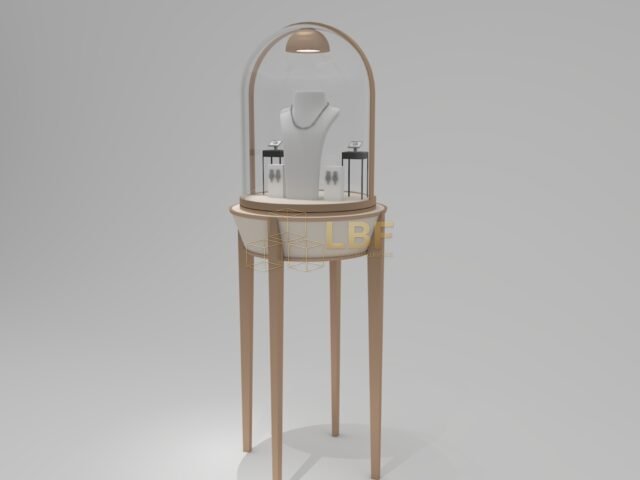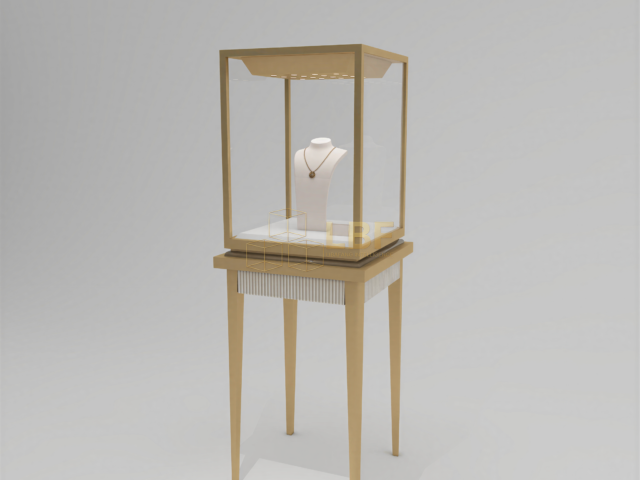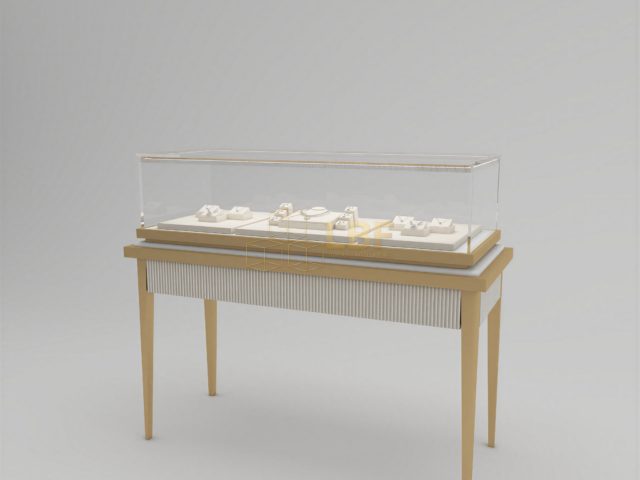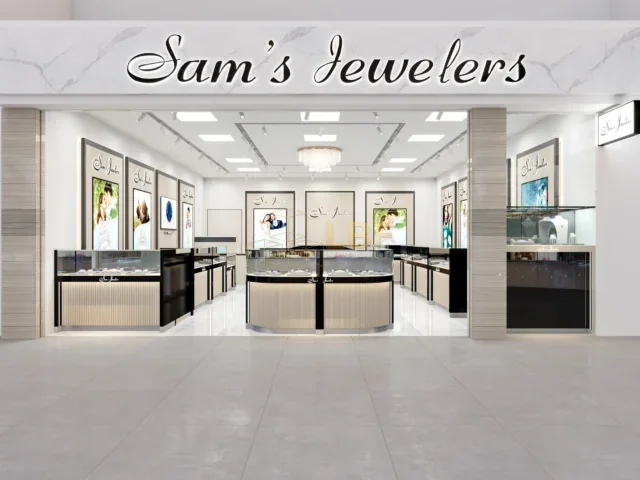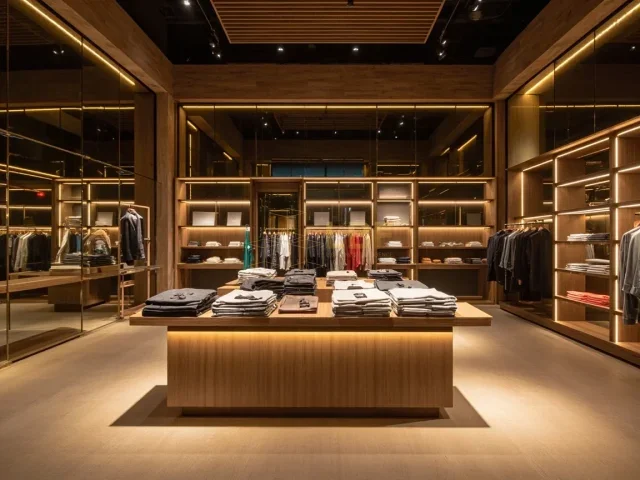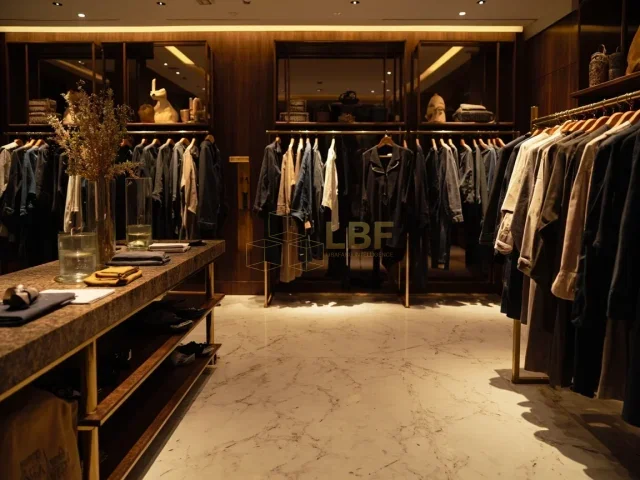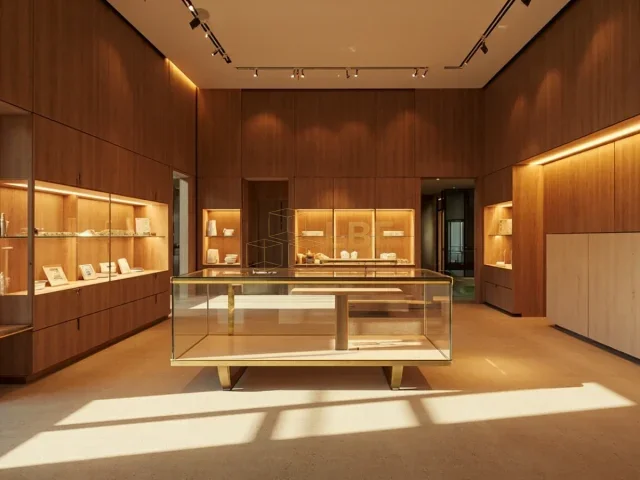
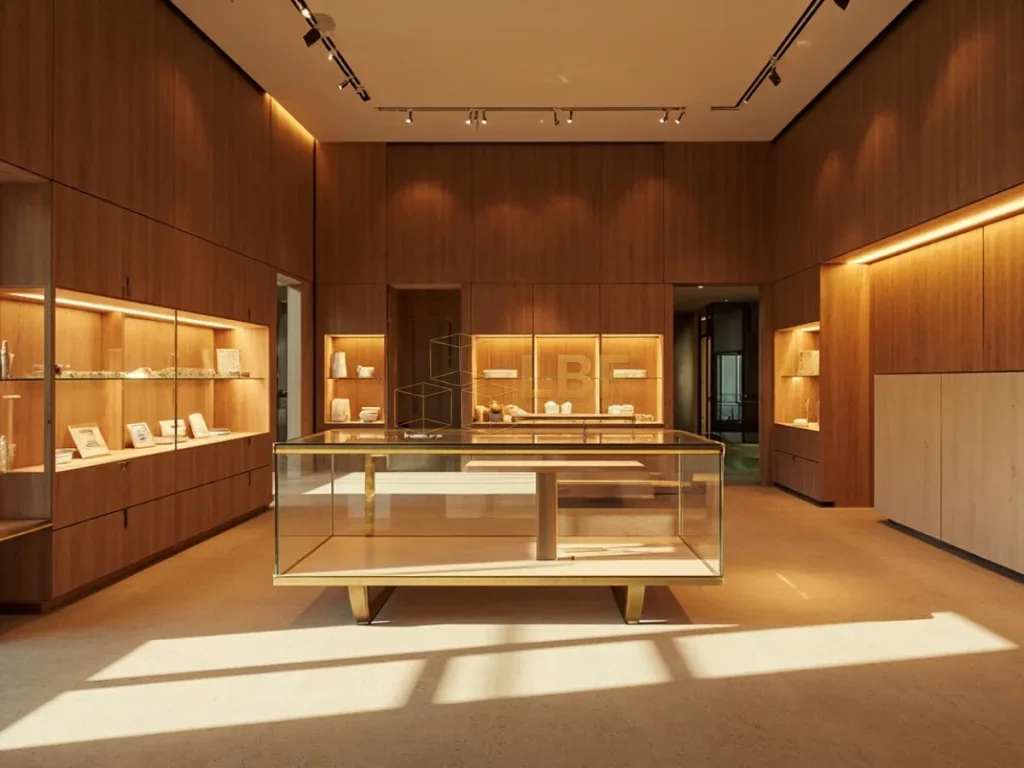
Custom display fixtures do more than hold product; in a luxury boutique they set the perceived value of everything inside them. A necklace under 4,000 K color temperature light in a scratch-prone acrylic tray will read as mid-market, while the same piece in a velvet-lined brass vitrine with dimmable 3,000 K spots reads as heirloom. Get the specification right and your fixtures work quietly for a decade; get it wrong and you will be re-buying cabinets long before your lease ends. The points below are the ones that most often decide whether a custom fixture project succeeds, drawn from the practical side of low-volume, high-finish manufacturing.
Start With the Merchandise, Not the Moodboard
Before choosing finishes, map every product category you will display now and within five years. For each, record three numbers: the largest item’s footprint, the heaviest item’s weight, and the number of SKUs you intend to show per bay. A jewelry showroom may need 90 mm of clear interior depth for a stacked bracelet presentation, while a watch boutique usually wants each piece on a 45–60 mm angled pad with at least 25 mm of finger clearance to lift it without dragging the neighbor. Plan for roughly 20–30% more display capacity than you need on opening day, because successful collections grow. Documenting this early also lets a manufacturer size shelves and glass correctly rather than guessing — one of the first questions Libafang asks before quoting any boutique project.
Specify Materials That Age Rather Than Wear Out
Luxury retail is judged on surfaces at close range, often under bright light. Material choices should be driven by how a finish looks after 5,000 openings, not how it looks in a sample photo. Solid brass, brushed stainless and powder-coated steel with a 60–80 micron finish are the reliable workhorses; standard acrylic shows scratches within months in high-traffic areas and is better reserved for protective risers replaced periodically. Glass should be low-iron for true color rendering, and tempered or laminated where safety codes demand it. For interiors, suede, microvelvet and leather laminates hold color better than printed fabrics when exposed to window light. Ask for the actual material samples, and test every sample with a coin edge and a wet cloth before approval: if it marks under either, it will mark in your store.
Get the Dimensions and Ergonomics Right
Customers interact with fixtures at body height, and staff clean them hundreds of times a year. Use these working ranges as a starting point, then adjust to your floor plan and local regulations:
- Counter vitrines: 900–1,000 mm to top surface, 600–700 mm deep, with a 150–200 mm internal glass riser step
- Wall display bays: 1,600–2,000 mm high, 400–500 mm deep, LED strip at 100–150 mm forward of the shelf edge to avoid glare
- Pull-out trays and drawers: 300–400 mm wide maximum so weight stays manageable; 3,000–5,000 N-rated slides for jewelry use
- Doors and hinges: soft-close, 110–120 degree opening; if locks are fitted, insist on registered-key cylinders rather than generic cam locks
- Base clearance: 80–100 mm recessed plinth so the fixture reads as furniture and can be cleaned underneath
Small details decide whether staff enjoy the store: removable felt inserts, lift-off travel trays, and a labeled location for every key.
Treat Lighting as Part of the Fixture, Not an Add-On
Lighting is where budget fixtures most often fail. Buy fixtures designed with a defined lighting strategy: 3,000–3,500 K color temperature, CRI 90 or higher to make gemstones and metals render faithfully, and 10–15 degree beam angle optic spotlights for focused highlights. Dimmability is not optional — a daytime window display and an evening boutique need different levels — and drivers should be remotely located or easily serviceable, because a failed LED strip in a sealed cabinet can otherwise take the whole unit out of service. Aim for an average of 1,000–2,000 lux on the display surface for luxury jewelry and higher for featured pieces, always verified against heat load: leave no fewer than 50 mm of airflow behind enclosed electronic trays.
Prepare the Production Brief Before You Ask for Quotes
The fastest way to receive a comparable price is to supply a complete package: dimensioned drawings or a clear sketch with measurements, material and finish list with samples to match, lighting spec, quantity per style, packing requirements, delivery destination and target timeline. Expect 25–45 days for sampling and 30–60 days for production of a typical boutique order, plus shipping; complex curved glass and hand-polished brass push the upper end. Confirm whether the supplier works in millimeters and can provide a pre-production sample for every new design, plus an electrical certificate suited to your market. For multi-country retail chains, one manufacturer producing the whole fixture range usually costs less than coordinating several local cabinet shops, particularly when the same boutique design is repeated in more than one city.
Vet the Manufacturer Like a Partner
Ask for photographs of the factory floors, not just showroom images, and request three comparable projects with references who will speak to you. A capable custom display manufacturer should be able to discuss export packing (foam crates and edge protection are standard for glass), provide basic installation drawings, and state plainly which finishes are stock and which carry minimum order quantities. Libafang Showcase Co., Ltd. works from Guangzhou with a focus on jewelry, watch and museum displays for buyers in more than 30 countries, which means designs are usually engineered with export packing and international power standards in mind from the first sketch.
Ready to move from measurements and samples to real quotes? Send your floor plan, product list and target finish palette to request a free design and quotation — a dimensioned drawing and three-line budget estimate help you compare options honestly before committing to production.