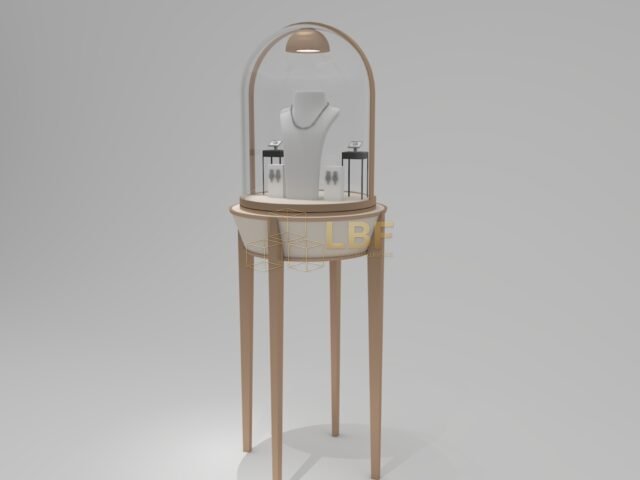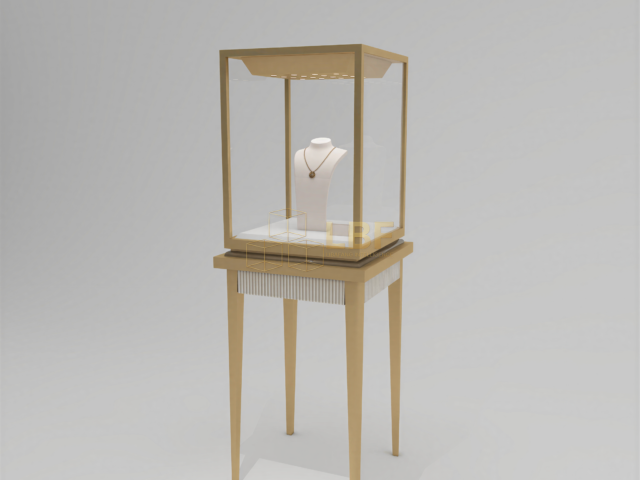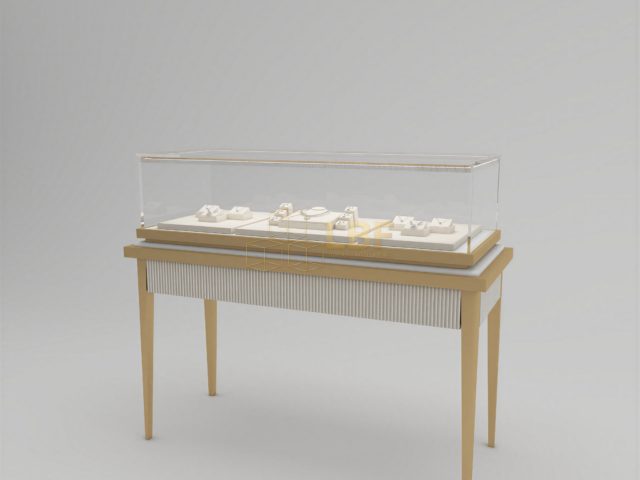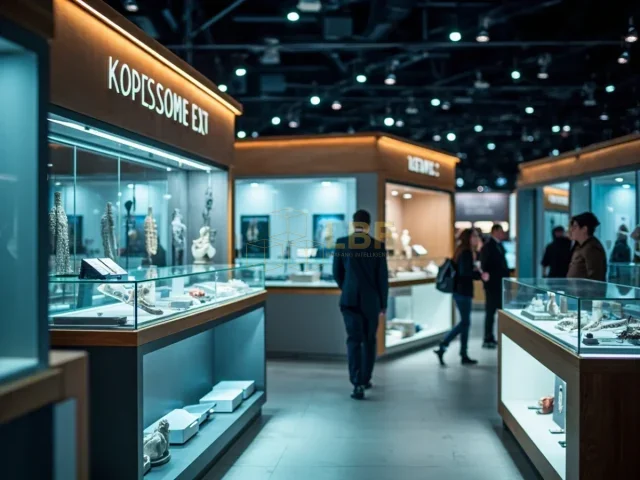
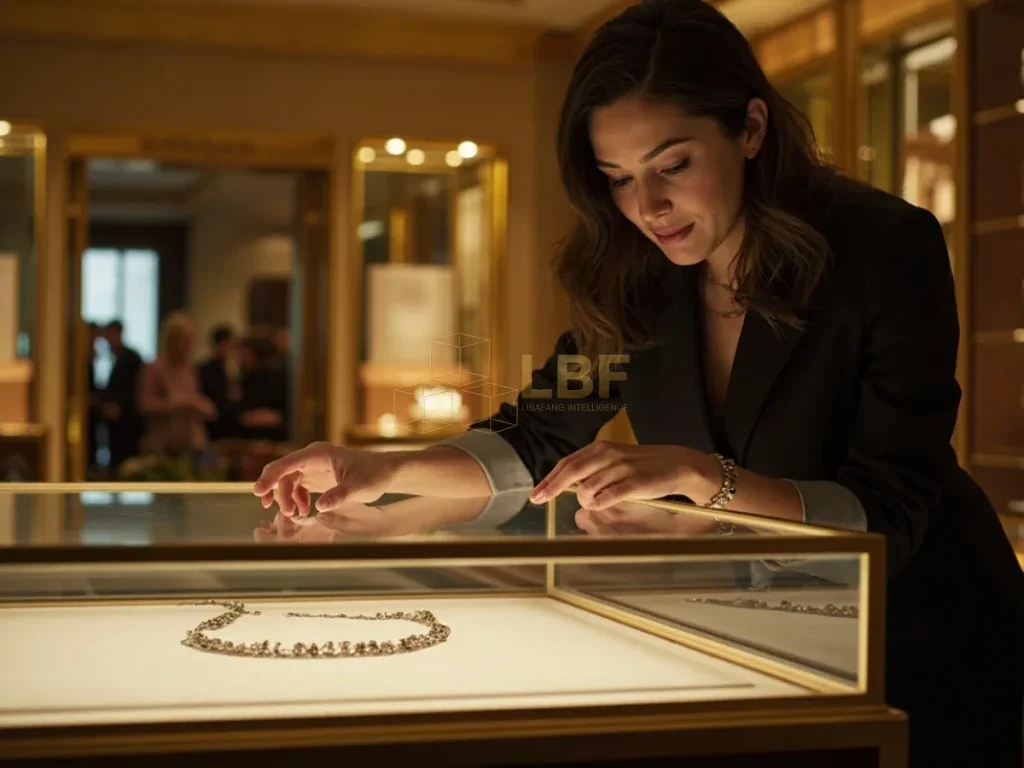
Walk past a poorly engineered jewelry window at 9 p.m. and you can often feel it before you see it: a warm pocket of air trapped behind the glass, with drivers and LEDs cooking quietly in the same sealed box as the diamond rings. The lights themselves get blamed when they dim or discolor after a year, but the real culprit is usually thermal design. LED drivers are the most heat-sensitive component in a modern showcase, and the single most effective fix is to get them physically and thermally out of the display chamber. This guide explains the problem, the numbers behind it, and the design choices that keep a showcase cool, bright and reliable for a decade.
Why the LED Driver Is the Weak Link in a Jewelry Showcase
The LEDs themselves are durable, but their drivers are not. A constant-current driver converting 220V AC to a low-voltage DC output typically loses 10–15% of its input power as heat. Inside a sealed 1.2 m by 0.6 m by 0.4 m showcase, 30 W of lighting can shed 3–5 W continuously, enough to push the internal air temperature 10–15°C above the room. That matters because most LED drivers are rated for a maximum case temperature of about 60–70°C, and electrolytic capacitors — the component most responsible for driver failure — lose roughly half their service life for every 10°C above their design temperature. A driver designed for 50,000 hours at 40°C may reach only 15,000–20,000 hours in a hot, enclosed showcase compartment.
The Case for Separating Electronics From the Display Space
Keeping drivers out of the display chamber is not only about LED lifetime; it is also about what the heat does to the merchandise and to the customer’s experience. Warm air behind glass causes condensation on cold evenings, oxidizes plated finishes and silver faster, and makes the salesperson open a showcase that feels like an oven. More practically, UL and IEC guidance treats a two-compartment showcase (electronics bay plus display chamber) as the safer arrangement, and a separate driver bay lets you use replaceable, standardized drivers rather than a sealed throw-away light engine. Designers should treat the driver compartment as a small equipment cabinet with its own airflow path, service access, and fire-resistant separation from combustible display liners.
Ventilation Strategies That Actually Work
The goal is not simply to punch holes; it is to create a controlled, low-resistance path that carries heat away from the driver bay without letting dust, draughts, or light leaks into the display volume. A few principles cover most projects:
- Stacked compartments: place the driver bay beneath or behind the display chamber, separated by a solid, gasketed divider, and vent the driver bay to the room or to a plenum.
- Chimney airflow: use low inlet slots near the bottom and high exhaust slots near the top of the driver bay; natural convection can remove 15–30 W of heat with modest slot areas (e.g., 50–100 cm² of free opening per bay).
- Fans only where needed: a 40–80 mm, 12V DC fan drawing under 2 W can move 5–15 CFM, enough to purge a 30-liter driver compartment every few seconds, but use ball-bearing or maglev fans rated for the expected duty cycle.
- Dust and light traps: offset the inlet and outlet so air must turn a corner; add filters or foam baffles so dust does not coat driver boards and no light escapes into the display chamber.
- Direct airflow management: an internal fan inside the driver bay can help, but it must not pressurize the display compartment or blow heated air across metal finishes.
Numbers and Ratings to Specify
Ask for a driver with a rated case temperature of at least 70°C and a lifetime figure quoted at a realistic ambient. If the room can reach 28°C in summer, aim for a driver compartment that stays below 40°C when the showcase is lit for 12 hours per day. A tested deltas of 8–10°C across the divider is a good target. Specify low-power LEDs and high-efficiency drivers: a 24V 60W driver running at 85–90% efficiency produces roughly 7–9 W of heat, which is manageable with a well-vented 20-liter bay but not in a sealed tube.
How Libafang Approaches Showcase Thermal Design
As a Guangzhou manufacturer of custom display showcases for jewelry stores, watch boutiques, museums and luxury retail, Libafang builds driver bays, ventilation paths and service access into the cabinet structure from the start rather than as afterthoughts. Standard details include a separate, vented electronics compartment, gasketed dividers, and modular driver mountings that can be replaced without dismantling the display chamber. Because the company exports to more than 30 countries, it also builds in regional voltage and safety-margin requirements, so a showcase that starts life in a window in Dubai or London or Toronto still keeps its electronics cool.
A Quick Commissioning Checklist
- Measure driver compartment temperature after 4 hours of full-power operation; it should be at least 8–10°C below the driver’s rated case temperature.
- Confirm no illumination or light spill leaks into the display chamber through the vents.
- Check that the inlet and exhaust are not blocked by drawers, plinths or wall fixings.
- Verify driver accessibility from outside the display area for replacement.
- Document expected room temperature and daily operating hours for the driver warranty.
Whether you are retrofitting an existing window or specifying a new collection, thermal design is the quiet difference between a showcase that ages well and one that starts failing in its second year. Request a free design consultation and quote from our team to see how a properly separated LED driver compartment fits your store layout, lighting plan and budget.