Jewelry showcase photography fails for one reason more often than any other: reflections. A $40,000 ring can look like a blurry white smear because a ceiling spotlight bounced off the front glass and landed in your lens. The problem is geometric, not magical — light travels in straight lines, and glass both transmits and reflects it. Once you understand which surfaces are reflecting what, and where the camera sits relative to them, most glare becomes controllable within minutes. This guide covers the practical fixes for both in-store showcase photography and studio product shots, with the numbers and setups that actually work.
Understand the Two Reflection Types You Are Fighting
Every reflection problem in jewelry showcase photography falls into one of two categories. The first is specular reflection off the glass — a mirror image of a light source, window or bright wall superimposed over the product. The second is reflection off the jewelry itself — polished gold, platinum and gemstone facets acting as tiny mirrors that pick up the color and shape of whatever surrounds them, including your camera, your hands and the photographer’s black t-shirt.
The fixes are different. Glass reflections are solved by changing angles and polarization. Product reflections are solved by controlling what the metal and stones can see — usually with diffusion, flags and a controlled enclosure. Professionals budget roughly 70% of setup time to the second category, because a well-lit diamond with a clean environment sells far better than a perfectly glare-free shot of a poorly lit one.
Use the Angle of Incidence Rule Before Touching a Light
Light reflects off glass at the same angle it arrives. If a spotlight hits the front pane at 45 degrees from the left, the mirror image appears at 45 degrees to the right — and if your lens is there, you get a hotspot. The practical workaround is to move the camera off that axis, not the light. A lateral shift of just 15–25 degrees from the light-to-glass axis eliminates most direct glare while keeping the product centered.
For front-glass glare you cannot dodge, a circular polarizer is the single highest-return accessory. At the correct rotation it cuts glass and water reflections by roughly 50–70% at angles between 30 and 40 degrees to the surface. It costs about one to one-and-a-half stops of light, so plan extra exposure or a slightly longer shutter speed.
Fix In-Store Reflection Problems Without Moving the Showcase
Retail staff often need clean phone or camera images for e-commerce and social media without dismantling a display. Try these in order, cheapest first:
- Kill the ceiling glare. Aim adjustable spots to graze the product from above and behind, not straight down through the front glass. A 10-degree tilt on a track head often removes a whole hotspot.
- Polarize twice. A polarizing filter on the lens plus a polarizing film or sheet held in front of the light source gives near-complete glare control. Line the two up and rotate one until the glass goes dark.
- Block competing sources. Shop windows and bright white walls create the worst reflections because they are large and bright. Black foam board, matte black cloth or even a coat held off-camera at 600–900 mm from the glass kills them.
- Shoot through an opening. Open the showcase door and shoot through the gap with the camera 200–300 mm from the product; the glass edge disappears outside the frame.
- Use a phone gimbal or small tripod. Long exposures of 1/15–1/4 second let you drop ambient light, which is usually the glare source, without raising ISO past 800.
Build a Studio Setup That Removes Metal Reflections
In the studio, the goal is to give polished gold, steel and gems a clean, controllable world. Place the piece inside a light tent or a three-sided foam board enclosure with the front open. Light the tent from the sides and top, never aimed at the camera. The white walls become the reflection in the metal — which is exactly what looks premium. Where you want contrast, insert black flags at about 20–30% of the frame area to create the dark gradient lines that define edges on watch cases and ring bands.
Use a macro lens at f/8–f/11 with focus stacking of 5–15 frames for depth on gemstone settings; diffraction past f/13 softens facets noticeably. Light the stones with a small, close source at roughly 45 degrees and 150–250 mm from the piece, and let the tent fill in shadow. Keep the camera tethered — small position changes of 5 mm shift reflections visibly on a 24-megapixel file.
Specify Display Cases That Photograph Cleanly
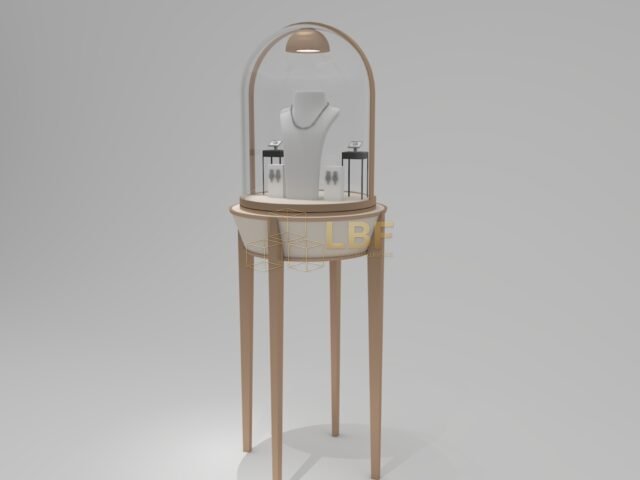
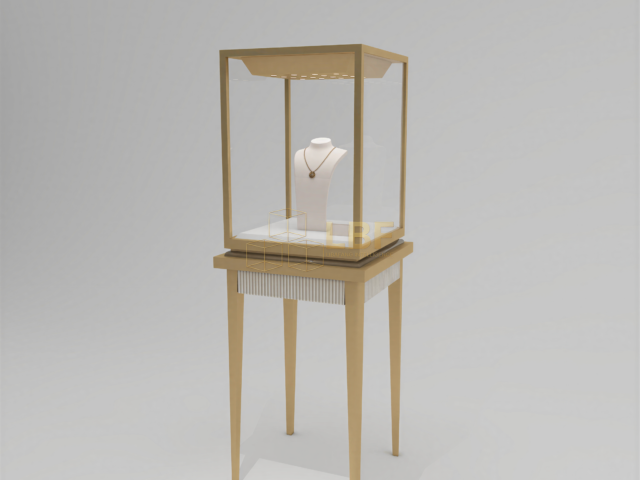
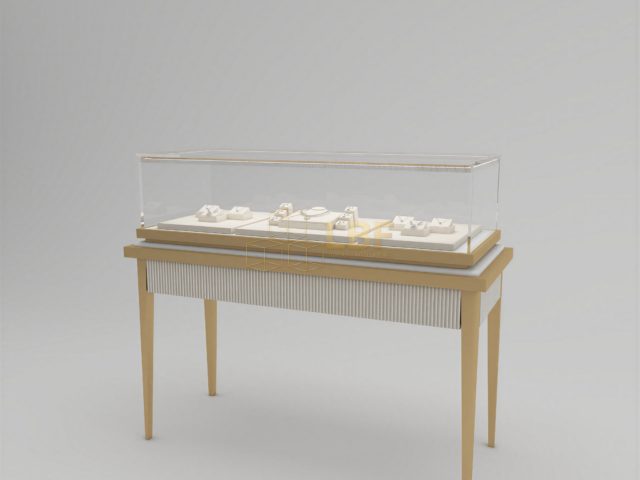
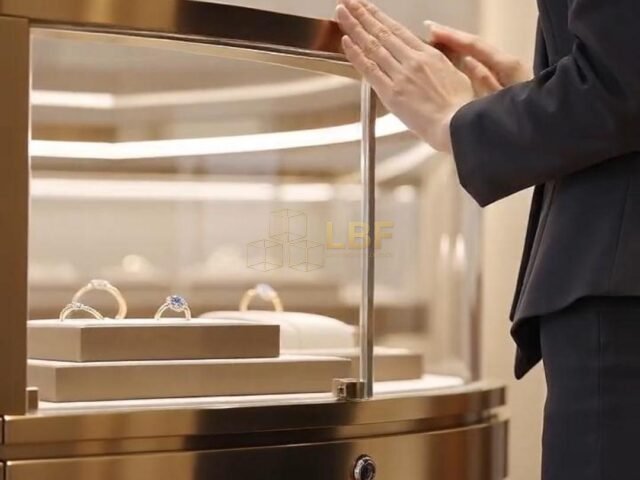
Some reflection problems are better designed out at purchase than fought in Photoshop. Glass with a low-reflection coating reduces surface reflectance from roughly 8% to around 1%, which is a dramatic difference when a bright spot sits behind you. Optically clear low-iron glass avoids the green cast visible in standard float glass. Where durability matters, laminated anti-reflective glass keeps the optical benefit. Frame profile and interior color matter too: matte, neutral interiors avoid bouncing color onto the product, and a recessed light shelf lets spots graze the display instead of hitting the front pane.
Libafang builds showcases to these specifications for jewelry and watch retailers, including AR-glass options, internal LED positioning and matte interior finishes chosen for camera work as well as daily display.
Universal Fixes Worth Keeping on the Shot List
Two inexpensive accessories solve most remaining issues. A black cloth or camera wrap draped around the lens barrel removes the lens’s own reflection from the glass. A hand-held matte black card, about A4 size, positioned just outside the frame on the glare side, absorbs stray light before it reaches the pane. Keep a small white card nearby — a 5-second bounce fill from 300–400 mm often replaces a whole extra softbox. Finally, check focus and reflection on a 27-inch monitor or tablet at 100%, not on the camera LCD; a hotspot smaller than a grain of rice on a 3-inch screen looks enormous on a product page.
Jewelry showcase photography is mostly about what the glass and metal are allowed to see. Control that, and the lighting becomes easy.
Planning a new store or upgrading a photography-friendly display? Libafang can advise on reflective coatings, interior finishes and LED placement, then build to your drawings. Contact us to request a free design and quote.