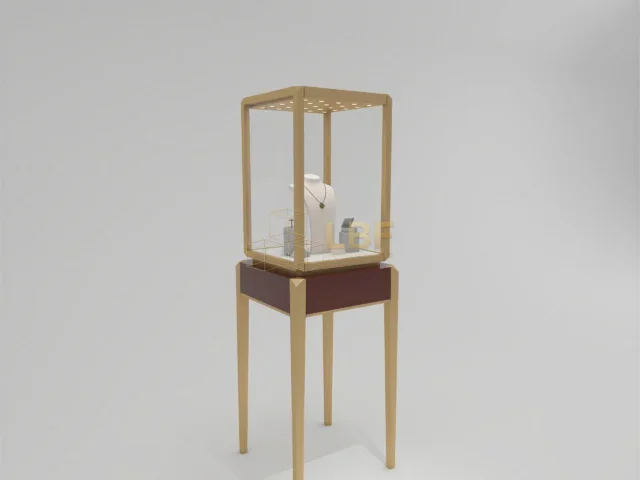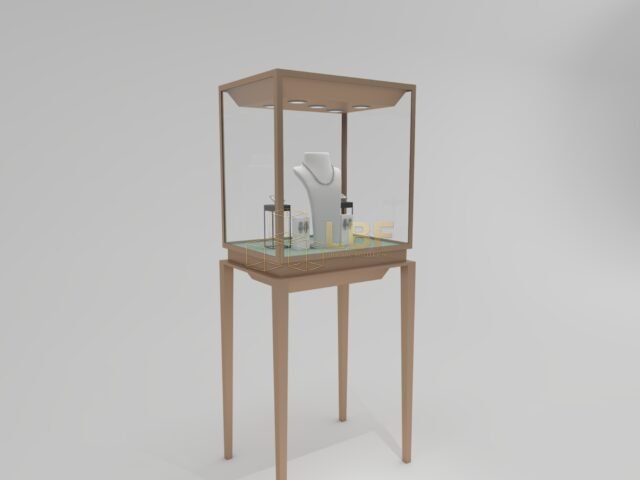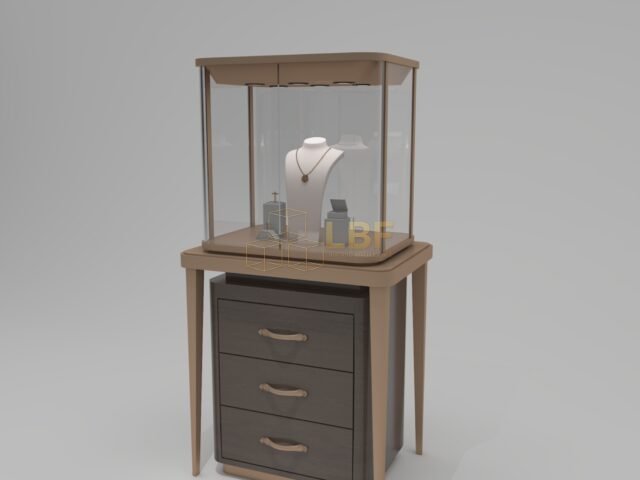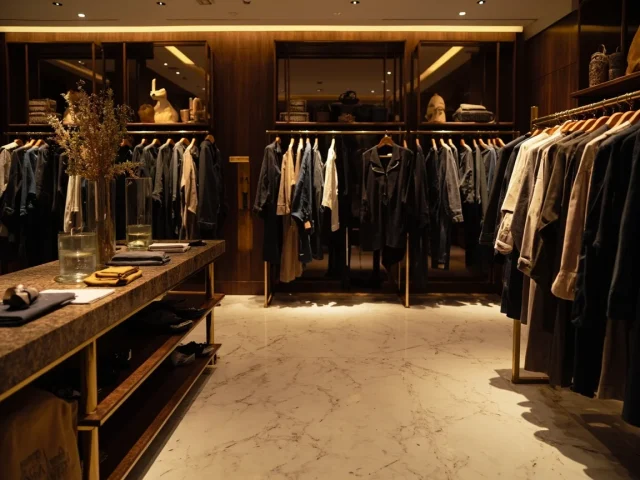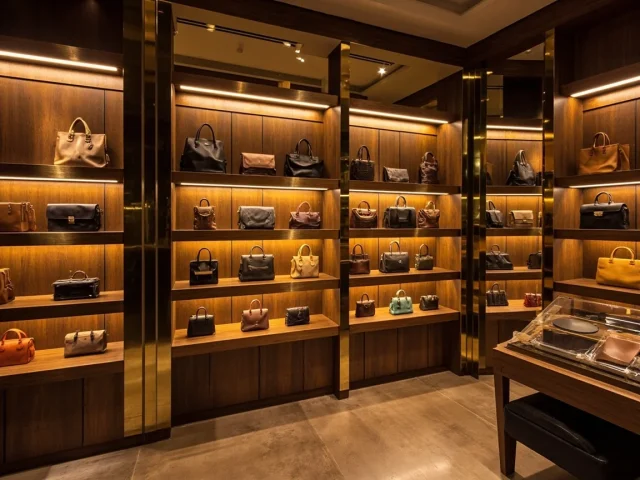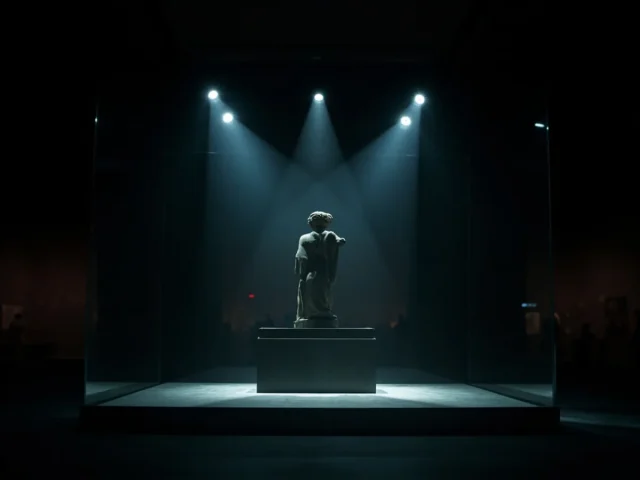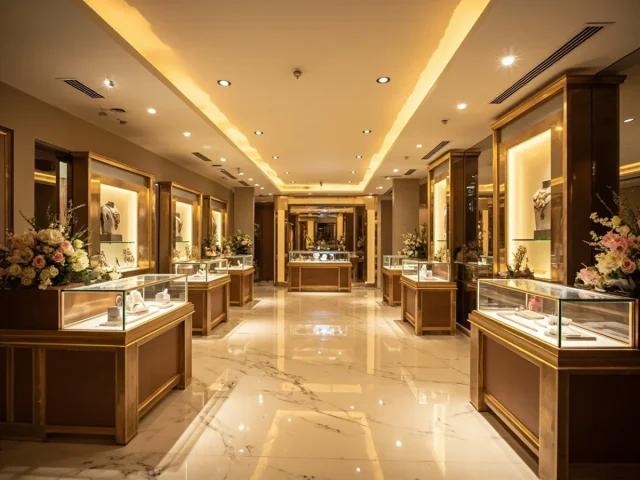
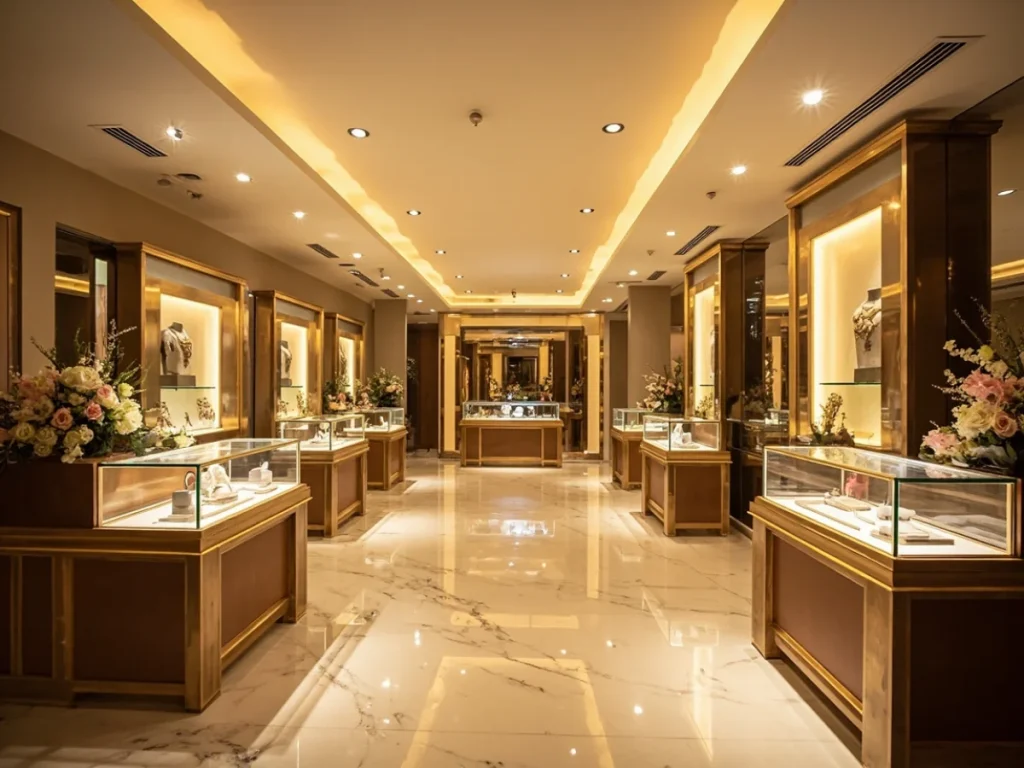
A display niche is a promise: it tells the customer that one object deserves a frame of its own. Yet most display failures in luxury retail do not come from lighting or finish — they come from depth. A 90 mm deep recess holding a 12 mm band ring swallows the product in shadow and dead space; a 40 mm recess holding a full-size chronograph forces the caseback against the glass. Coordinating recess depth to product scale is the single most useful discipline in custom niche design, and it is where experienced manufacturers win or lose a project. This guide sets out practical depth ranges, the geometry behind them and the questions to settle before the first cutting list.
Why recess depth matters more than niche width
Width and height are visible on a drawing, so clients scrutinise them. Depth is hidden until the showcase is installed, and by then the carcass is built. Depth controls three things simultaneously: the perceived scale of the object, the angle at which light reaches it, and how close a customer can bring their eye without touching glass.
As a working rule, the recess should be deep enough to seat the product with a shadow gap behind it, but shallow enough that the viewer’s eye reads the object as forward. For a niche at typical counter height (900–950 mm), a depth of 1.6 to 2.2 times the product’s vertical thickness gives the object air without making it look lost. A 10 mm thick watch, mounted upright on a riser, therefore sits comfortably in a 35–55 mm recess once the riser and backdrop are counted. That is far shallower than most drawings assume.
Depth bands by product category
The numbers below assume a rear-lit or top-lit niche with a hidden LED channel and an acrylic or glass lens at the front. Adjust upward for motorised turntables, safes behind the niche or acoustic lining.
- Fine jewellery, rings and earrings: 40–70 mm usable depth; risers 15–25 mm; shadow gap 8–12 mm.
- Bracelets and necklaces on busts: 70–110 mm; allow 30–45 mm behind the bust for silhouette separation.
- Watches, single or paired: 50–80 mm; the crown side needs 20 mm clearance if the watch is angled.
- Small leather goods and eyewear: 90–140 mm; these read better with a slight rake of 5–8 degrees.
- Museum objects and ceramics: 150–300 mm plus a 40 mm conservation clearance at the rear, with a separate sealed cavity for silica gel.
- High jewellery and flagship hero pieces: 120–200 mm, often with a turntable and a 360-degree light ring.
These ranges are starting points, not standards. A 60 mm recess that suits a 30 mm pendant will look cramped around a 55 mm cuff.
Lighting throw, glare and the depth-to-viewing-distance ratio
Depth determines where you can place a light source without it entering the customer’s line of sight. A recess of 50 mm or less will usually need a lens-level or edge-lit solution, because the top of the niche cannot hide a 25 mm LED profile. Deeper than 80 mm, and a concealed top channel at 30 degrees becomes viable, washing the backdrop rather than the product face.
Glare is a function of geometry. Keep the ratio of viewing distance to recess depth at 4:1 or greater. If a customer’s eye sits 500 mm from the glass, a 100 mm recess is about the limit before reflections from ceiling spots dominate. For retail floors lit at 300–500 lux with accent spots at three to five times that, a matte, low-sheen backdrop at 10–15 percent reflectance usually outperforms gloss.
Scale and proportion inside the niche
Product scale is relative. A 36 mm watch in a 200 mm wide niche looks like a museum specimen; in a 90 mm niche it looks like a hero. Set niche width at roughly 1.5 to 2.5 times the product width and height at 2 to 3 times the product height, then let depth resolve the third dimension. For multi-item niches, a 12–20 mm gap between objects reads as deliberate spacing; less than 8 mm reads as clutter.
Also consider vertical stacking. Two tiers in a 120 mm deep niche give a better sense of depth than one tier in a 200 mm niche, because the eye registers overlap. Risers should step back by 20–30 mm per tier so the rear objects remain partially visible.
Material, tolerance and export considerations
Depth is only stable if the carcass holds tolerance. MDF and plywood should be specified at 18 mm with a moisture-resistant grade for humid markets; steel frames allow thinner walls and therefore more usable depth in the same footprint. Allow ±1 mm on niche depth and ±0.5 mm on the front lens rebate; anything looser shows as a visible shadow line after shipping and acclimatisation.
For export, remember that LED drivers, dimmers and wiring need a service cavity. Budget 50–70 mm behind the niche for drivers and 100 mm if you include a lockable rear access panel. Projects shipping to 30-plus countries also need plug-and-voltage variants agreed before the carcass is cut, because swapping a driver later can eat 20 mm of the depth you fought for. Libafang builds these rear cavities into the drawing stage so depth figures are real, not nominal.
Finally, prototype before you commit. A single 1:1 foam or MDF mock-up of one niche, populated with the actual product, resolves more arguments than a dozen renderings. Most factories will produce one for a modest tooling charge; Libafang includes a physical sample in the quotation for projects above a set unit count, and the depth review happens on that sample.
Get the depth right before the finish
Finish and lighting are visible, but depth is structural. Lock your product dimensions, decide the viewing distance, apply the 1.5–2.5 width rule and the 4:1 glare ratio, and reserve the service cavity early. Libafang Showcase Co., Ltd. designs and manufactures custom niches, counters and museum cases in Guangzhou for jewelry, watch, museum and luxury retail clients worldwide. Send us your product dimensions and floor plan and request a free design and quote — we will return a depth schedule with the drawing.