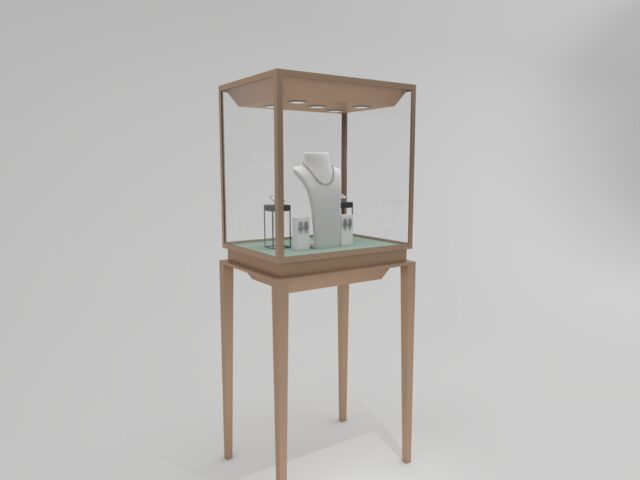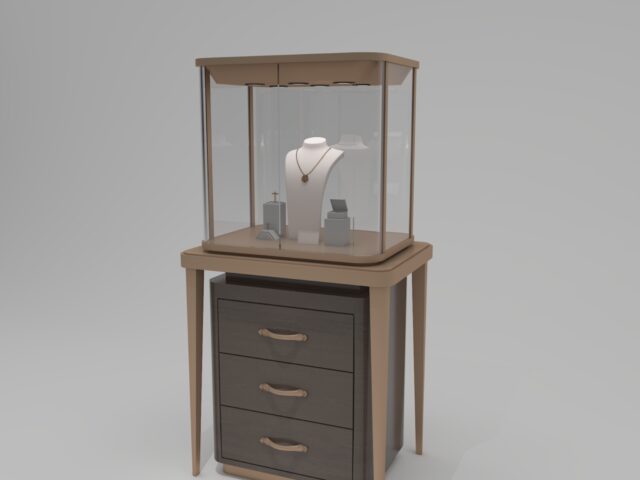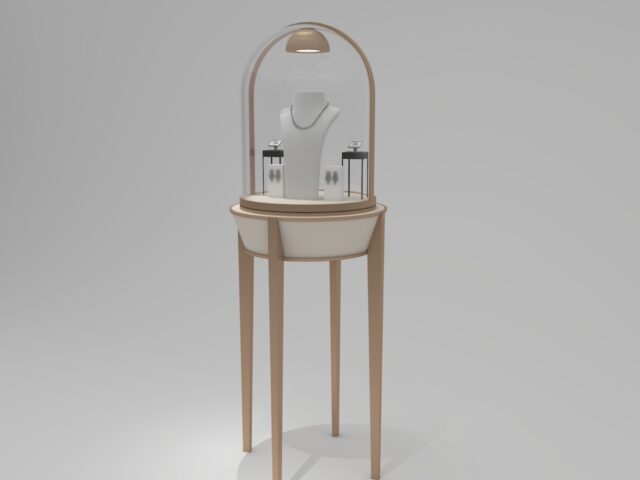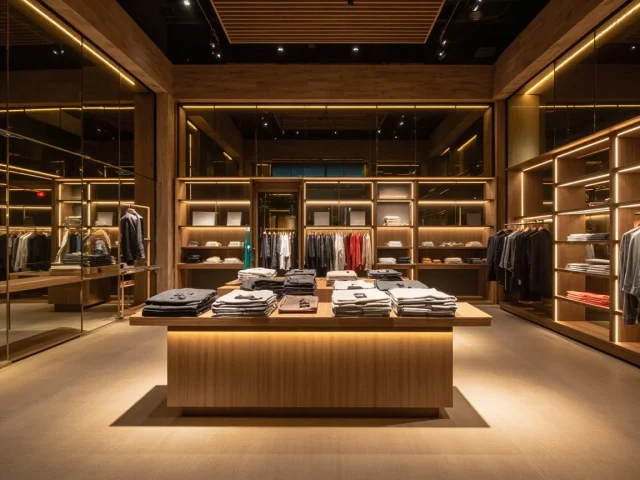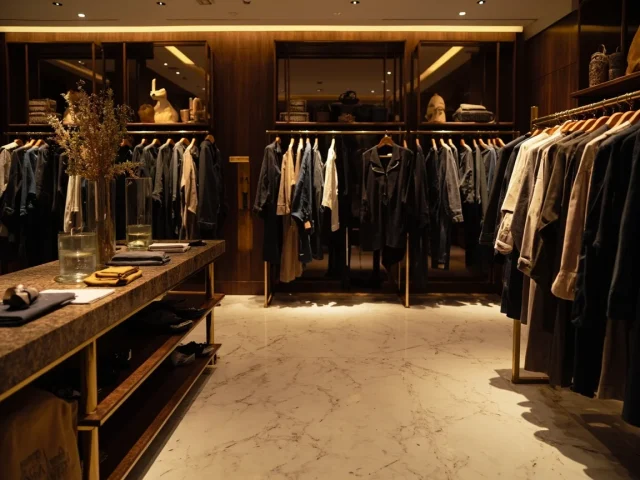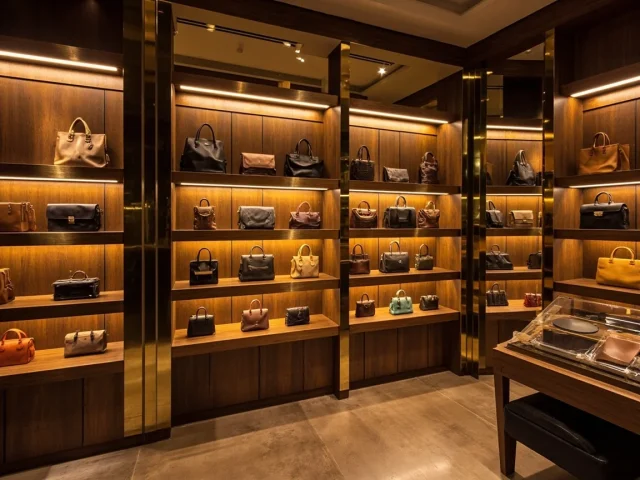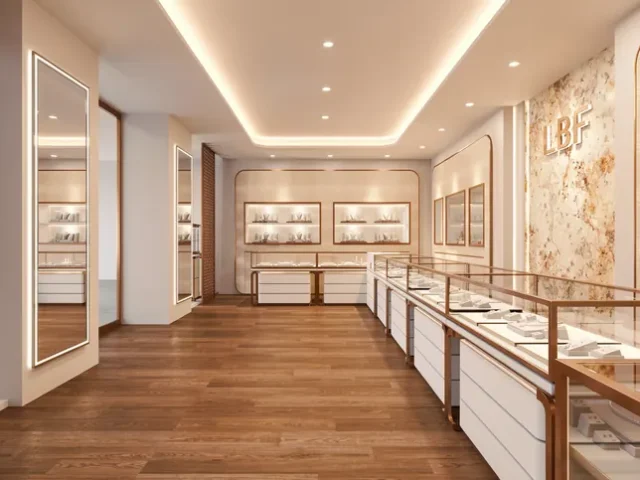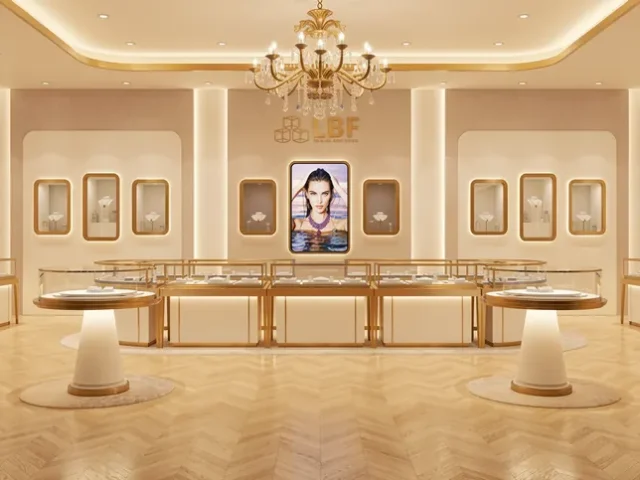
Opening a luxury concession in a department store like Harrods, Galeries Lafayette, or Isetan is a major milestone for any brand. But the difference between a smooth launch and a delayed, over-budget nightmare often comes down to one thing: how well your luxury concession display fixtures meet the host store’s technical and aesthetic requirements. Department stores have strict rules on everything from floor loading to lighting temperature, and these rules vary significantly between locations. This guide walks you through the key coordination points to ensure your fixtures integrate seamlessly, meet all compliance standards, and still reflect your brand identity.
Understand the Host Store’s Technical Specifications Early
Before you design a single fixture, obtain the host store’s technical specification document. This document typically covers floor loading limits (often 500–1,000 kg/m² for luxury areas), ceiling height restrictions, electrical voltage and phase requirements, and fire safety standards. For example, many European department stores require fixtures to comply with EN 13501-1 fire ratings for materials, while Middle Eastern stores may mandate specific heat resistance levels. In Asia, stores like those in Hong Kong or Singapore often have limited ceiling height (2.4–2.8 m), which dictates low-profile lighting solutions. Ignoring these details can lead to costly redesigns or rejected installations. Request the spec sheet at least 12 weeks before your planned opening, and cross-check every point with your fixture manufacturer.
Align Fixture Design with Store Aesthetics and Brand Identity
Department stores curate a consistent visual environment, and your concession must fit within that framework without losing your brand’s character. Key considerations include color palettes, material finishes, and proportion. For instance, a store with a neutral, warm-toned interior may require fixtures in brushed brass or matte bronze rather than polished chrome. Many stores also limit the use of certain materials (e.g., no raw wood in food-adjacent areas) and specify maximum fixture heights to maintain sightlines. Work with your fixture partner to create a design that respects these constraints while highlighting your products. A common approach is to use a modular system with interchangeable panels—this allows you to adapt finishes to different host stores without redesigning the entire fixture. Libafang has supported brands in adapting such modular designs for stores across 30+ countries, ensuring each installation meets local aesthetic norms.
Navigate Approval Workflows and Timelines
Every department store has a design approval process, and it’s often more complex than you expect. Typical steps include submitting concept drawings, material samples, electrical schematics, and structural calculations. Some stores, like those in the UK, require a fire safety certificate for each fixture component. Approval can take 4–8 weeks per submission, and revisions are common. To avoid delays, follow these steps:
- Request the store’s design guidelines and submission checklist at the outset.
- Prepare a full package including 3D renders, technical drawings, and material Specifications.
- Schedule a pre-submission meeting with the store’s visual merchandising team to get informal feedback.
- Submit all documents simultaneously; incomplete packages are often rejected outright.
- Keep a buffer of at least 6 weeks for revisions and resubmission.
Brands that treat approval as an afterthought often miss their launch dates. Incorporate this timeline into your overall project plan.
Coordinate Lighting, Power, and Security Integration
Lighting is critical for luxury displays, but host stores have strict rules on heat output, color temperature, and power consumption. Many stores now require LED lighting with a color rendering index (CRI) of 90+ and a color temperature between 3000K and 3500K to maintain a warm ambiance. Power outlets are often limited to specific locations, so your fixtures must be designed with concealed wiring and compatible plug types. Security is another factor: some stores require built-in lockable cabinets or alarmed glass for high-value items. Coordinate with the store’s facilities team to confirm power availability and security protocols. For example, a watch concession in a Middle Eastern mall may need fixtures with integrated biometric locks, while a jewelry counter in a European store might require a direct link to the store’s CCTV system. Plan for these integrations during the design phase, not after fabrication.
Plan for Installation Logistics and On-Site Constraints
Installation in a busy department store is a logistical challenge. Delivery windows are often restricted to after-hours (e.g., 10 PM to 6 AM), and elevator sizes may limit the dimensions of prefabricated fixtures. Design your fixtures in modules that can fit through standard service elevators (typically 1.2 m wide x 2.1 m high) and can be assembled on-site. Also, consider floor protection requirements—many stores mandate the use of protective mats during installation to prevent damage to marble or wood floors. Work with your manufacturer to provide a detailed installation plan, including crate dimensions, weight per module, and assembly instructions. A fixture partner experienced in department store projects, such as Libafang, can pre-empt these issues by designing for disassembly and providing on-site support if needed.
Ensure Compliance with Safety and Accessibility Standards
Beyond fire ratings, host stores enforce other safety and accessibility standards. For example, fixtures must have rounded edges to prevent injury, and glass surfaces must be tempered or laminated. Accessibility regulations (like the ADA in the US or the Equality Act in the UK) require clear pathways of at least 1.2 m and counter heights that accommodate wheelchair users. In some countries, stores also require earthquake anchoring for tall fixtures. Verify these requirements with the host store and incorporate them into your fixture design. Non-compliance can result in forced removal or fines, so it’s non-negotiable.
Coordinating luxury concession display fixtures with host store requirements is a detail-heavy process, but getting it right protects your investment and your brand image. Start early, communicate closely with the store’s technical team, and choose a fixture manufacturer who understands the nuances of department store installations. If you’re planning a concession and need fixtures that meet both your brand standards and host store specifications, request a free design and quote from Libafang today—our team will guide you through the entire process.