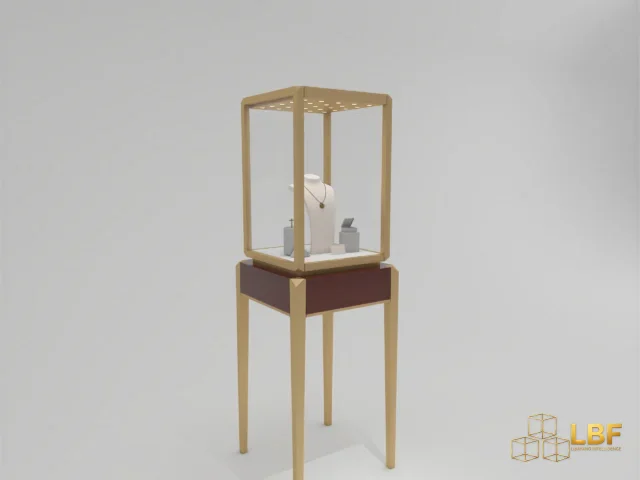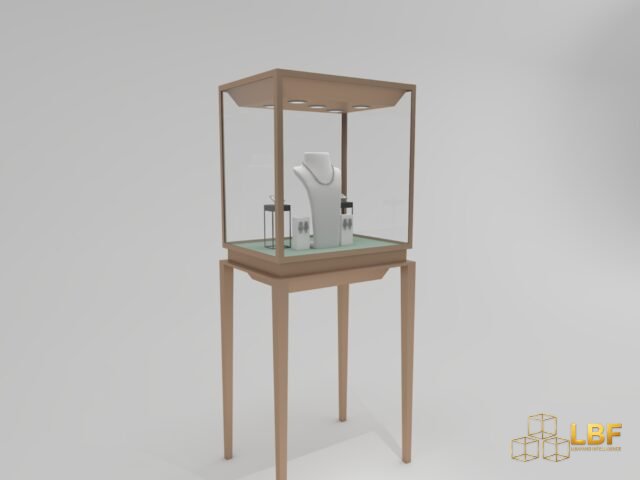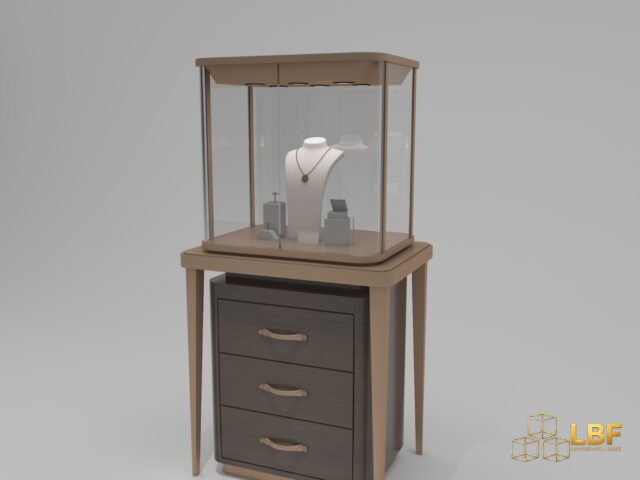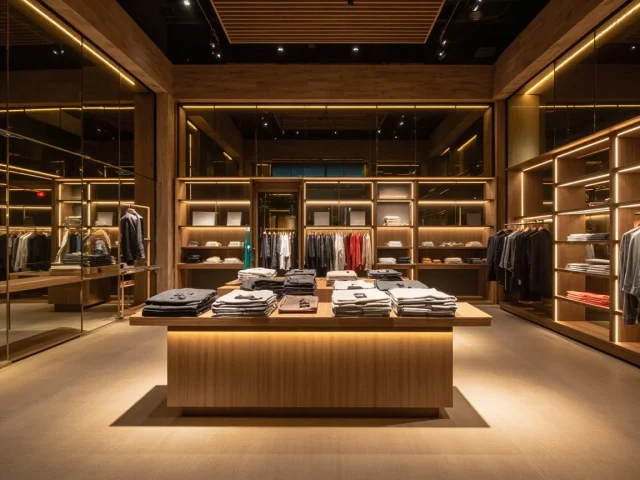
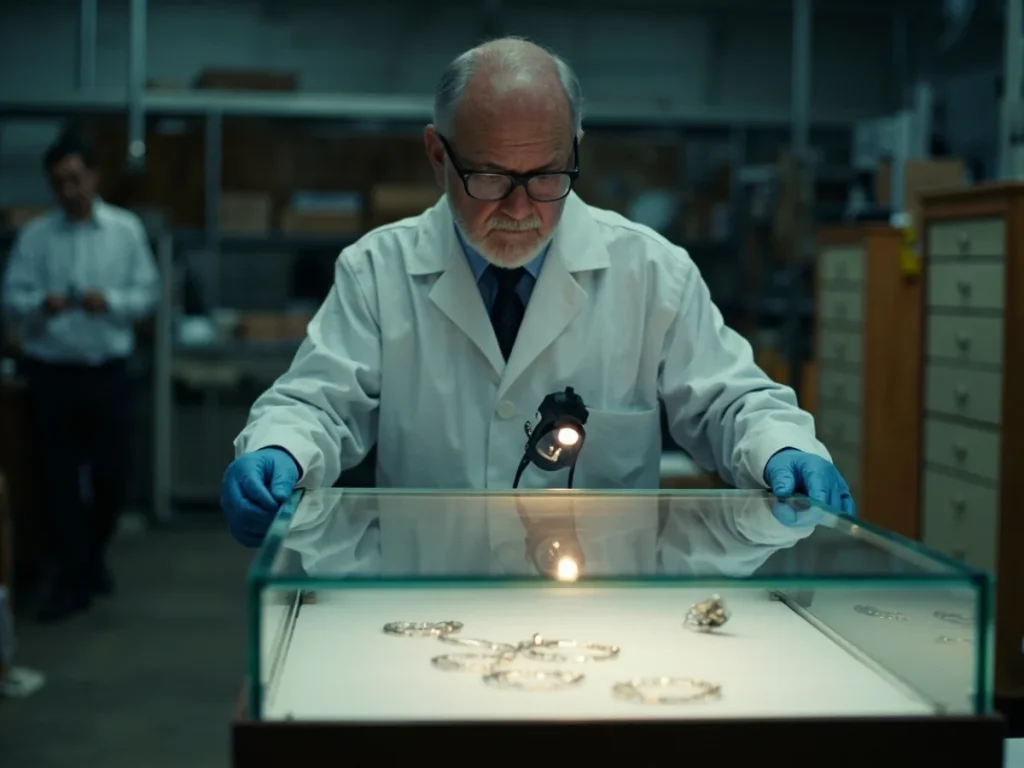
In luxury retail, the plinth is not just a pedestal—it is the stage that elevates a hero product from merchandise to objet d’art. The right proportions can make a watch appear more precise, a diamond more brilliant, or a sculpture more monumental. The wrong ones can make even the most expensive piece feel lost or overwrought. This guide distills the key proportional decisions for luxury display plinths, with practical numbers and visual principles that you can apply immediately.
Why Proportions Matter More Than Material
Material and finish often dominate discussions about display fixtures, but proportions dictate how the eye reads the product. A plinth that is too wide overwhelms a delicate necklace; too narrow, and a statement ring looks unstable. The goal is to create a harmonious relationship between the object and its base, where the plinth recedes yet provides context. As a rule of thumb, the plinth’s width should be 1.5 to 2 times the width of the product’s widest point for a balanced look. For height, consider the viewer’s eye level: the product’s center should sit at roughly 55–60 inches (140–150 cm) from the floor in a standing display, or 30–36 inches (75–90 cm) for a seated viewpoint. These ranges ensure comfortable viewing without the plinth dominating the scene.
Height-to-Width Ratios for Different Product Types
The ideal ratio depends on the product category. For jewelry, especially small items like rings or earrings, a taller, slender plinth (height-to-width ratio of 3:1 or 4:1) draws the eye upward and adds a sense of ceremony. Watches often benefit from a more grounded proportion, such as 2:1, to convey stability and precision. For luxury handbags or accessories, a ratio close to 1.5:1 works well, providing a generous surface that doesn’t overwhelm the item. Museums displaying sculptures or artifacts frequently use ratios between 1:1 and 2:1, depending on the piece’s visual weight. At Libafang, we often advise clients to test proportions with mock-ups in corrugated board before committing to production, as a 10% change in height can dramatically alter the perceived elegance.
Concrete Dimensions for Common Hero Products
While every product is unique, these starting points can guide your design:
- Ring or small jewelry: Top surface 4–6 inches (10–15 cm) square, height 24–36 inches (60–90 cm) for standing display.
- Necklace or pendant: Top surface 8–10 inches (20–25 cm) wide, height 28–34 inches (70–85 cm), often with a slight backward tilt of 5–10 degrees for better visibility.
- Watch: Top surface 6–8 inches (15–20 cm) square, height 30–36 inches (75–90 cm), with a cushion or mount that adds 2–3 inches.
- Handbag or small leather good: Top surface 12–16 inches (30–40 cm) wide, height 24–30 inches (60–75 cm).
- Museum artifact or sculpture: Base footprint at least 1.5 times the object’s base, height determined by the object’s center at 55–60 inches (140–150 cm) for standing viewers.
These dimensions assume a typical retail environment with average lighting and viewer distance of 24–36 inches (60–90 cm). Adjust upward for larger spaces or taller audiences.
The Role of Negative Space and Viewing Angles
Proportions are not just about the plinth itself; they also define the negative space around the product. A plinth that is too large can create awkward gaps, while one that is too small can make the product feel cramped. Aim for a margin of at least 2 inches (5 cm) on all sides between the product and the plinth edge for small items, and 4–6 inches (10–15 cm) for larger pieces. Viewing angle is equally critical: for products displayed below eye level, a slight forward tilt (5–15 degrees) can improve visibility. For items at or above eye level, a flat or slightly backward tilt may be better. Consider the primary viewing distance—typically 18–24 inches (45–60 cm) for close inspection—and ensure the plinth’s height and angle allow the product’s key details to be seen without the viewer having to crouch or stretch.
Balancing Aesthetics with Practicality
While proportions are crucial, they must coexist with practical considerations such as stability, security, and lighting. A tall, slender plinth may look elegant but could be top-heavy; ensure the base is weighted or sufficiently wide (at least 60% of the top surface width) to prevent tipping. For high-value items, integrated security fixtures may add bulk, so plan proportions with these extras in mind. Lighting also interacts with proportions: a plinth that is too deep can cast shadows on the product, so keep the top surface shallow relative to the light source. Libafang’s design team often uses 3D modeling to visualize these factors before prototyping, saving time and material costs.
Finalizing Proportions: A Step-by-Step Approach
- Measure your hero product (width, depth, height) and note its visual weight.
- Determine the primary viewing height based on your audience and setting.
- Choose a height-to-width ratio from the guidelines above, adjusting for product type.
- Add margins for negative space and consider tilt for optimal viewing angle.
- Test with a mock-up in your actual space, using adjustable supports to fine-tune height.
- Incorporate practicalities like security, lighting, and stability without compromising the design.
By following these steps, you can create luxury display plinths that not only meet functional requirements but also enhance the perceived value of your hero products.
Ready to elevate your hero products with perfectly proportioned plinths? Libafang Showcase Co., Ltd. offers free design consultations and quotes for custom display solutions. Contact us today to discuss your project and receive a tailored proposal within 48 hours.