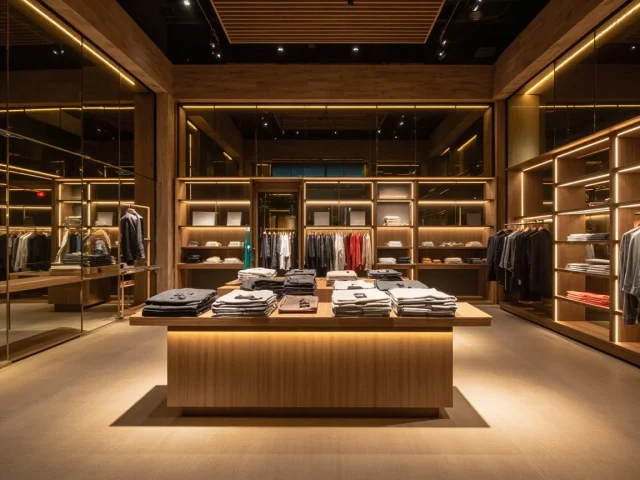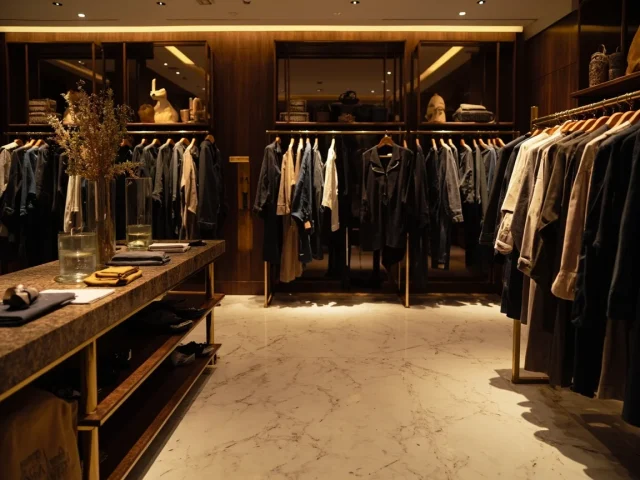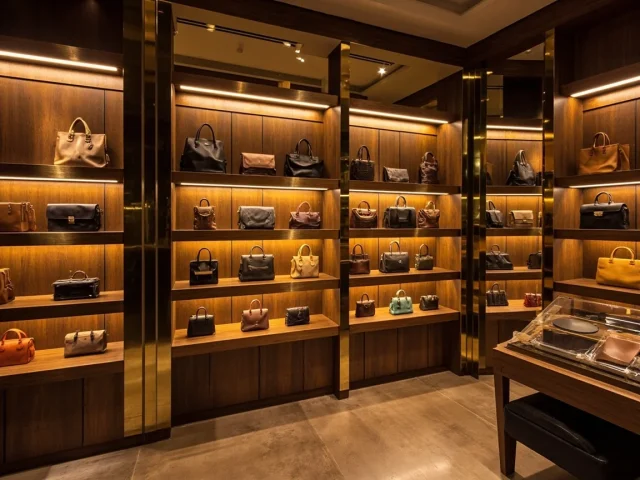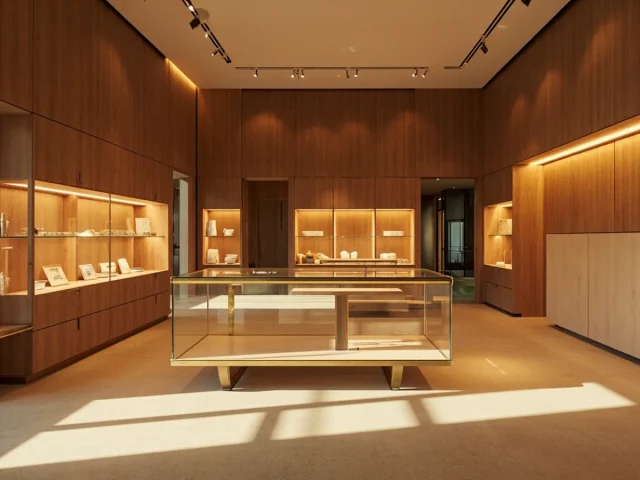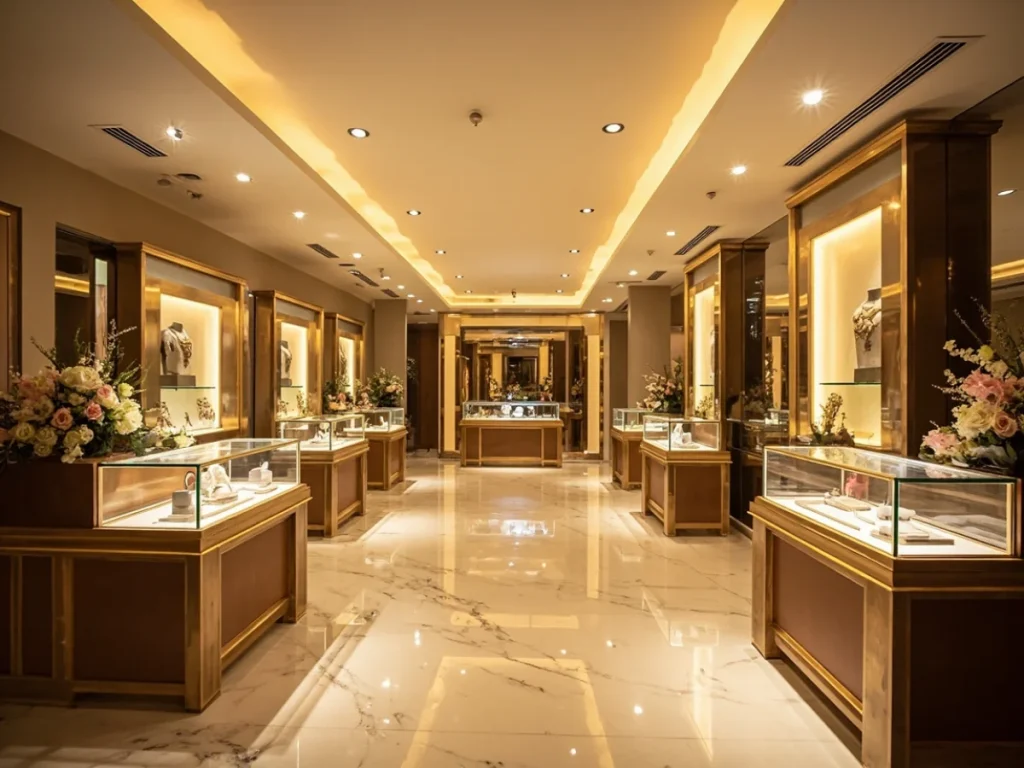
Opening a second or tenth luxury store is rarely a problem of design ambition. It is a problem of replication. A display case that looks perfect in a Guangzhou showroom has to look identical in Shanghai, Dubai, and Los Angeles — under different lighting, floor levels, ceilings, and construction schedules. When the fixture program drifts between stores, brand consistency quietly erodes: plinths sit 15 mm too high, LED color temperatures shift from 3000K to 4000K, and glass edges catch light differently on each shelf. For watch boutiques, jewelry stores, and museum retail, these are not cosmetic details. They directly affect perceived value. Standardizing luxury retail display fixtures across a multi-store rollout requires a documented system, not a collection of one-off purchase orders.
Why fixture standardization fails in luxury rollouts
Most rollout problems trace back to starting the fixture order too late, with too little shared reference data. Interior architects hand off a design intent package; local contractors build to site conditions; a regional supplier produces something close but not identical. By the time installation begins, three versions of the same vitrine exist.
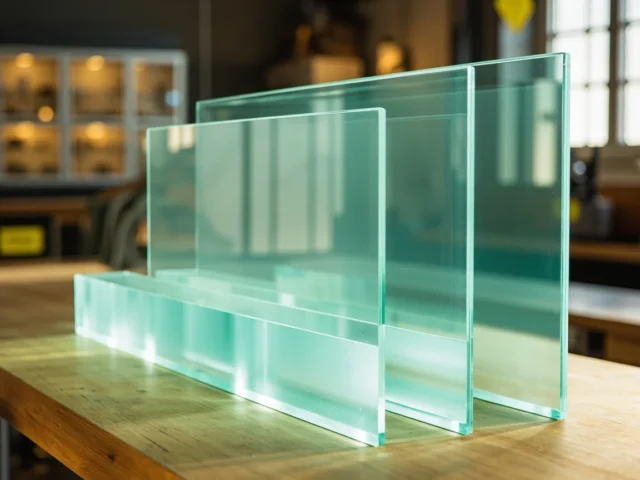
The fix is a fixture specification that is technically complete and buildable in more than one place. It should state dimensions with tolerances (usually ±2 mm on critical sightlines), glass type and edge finish, metal substrate and plating or powder-coat reference, hardware, locking details, and lighting specifications including CRI (95+ for gemstones), color temperature, and lumen output per shelf. Without those numbers written down, every supplier will interpret “warm white” differently.
Build a master fixture schedule before the second store
The single most cost-effective step is a master schedule: a single document listing every fixture type, quantity per store, and a unique SKU. A typical boutique rollout might involve 8 to 14 fixture types — window vitrines, wall cases, center islands, cash-wrap counters, watch trays, and museum-grade lockable cabinets. Assign each a code such as WT-01 (window tower) or IC-03 (island case) so that purchase orders, drawings, and installation checklists all use the same language.
Include in the schedule:
- Nominal dimensions and tolerances for critical sightlines
- Finish references with physical samples approved by the brand team
- Glass specification, thickness, and edge treatment
- Lighting type, CRI, color temperature, and control method
- Security level and lock hardware
- Packaging and crate marking for multi-country shipping
Once this exists, adding a new store becomes a quantity update rather than a fresh design exercise — typically reducing production planning time by 30 to 40 percent.
Control tolerances and lighting for brand consistency
Brand consistency lives in the details that customers cannot name but always notice. Shelf pitch, riser heights, the gap between glass and frame, and the angle of a watch presentation tray all read as a single visual language. Specify critical dimensions with tolerances and inspect against them at the factory, not on site.
Lighting deserves its own line item. Jewelry and watch retail typically run 3000K to 3500K at CRI 95 or higher, with 10 to 20 percent of shelf lighting dedicated to accent and sparkle. If one store runs 3500K and another 4000K, diamonds will look different. Order LED modules from a single batch or specify a binning standard, and keep spare modules per store for future replacement.
Plan production, shipping, and installation in the same timeline
Multi-country rollouts fail on logistics as often as on design. A realistic schedule for a 10-store rollout might allow 6 to 8 weeks for production after drawing approval, 3 to 5 weeks for sea freight to Europe or North America, and 3 to 7 days per store for installation and snagging. That means fixtures must be ordered roughly 4 months before each opening — usually before the site’s final floor level is confirmed.
To manage this, set up a staged delivery schedule aligned to store openings rather than a single bulk shipment. Crate by store, label each case with its fixture code and location, and include installation drawings in the first crate. This reduces site confusion and shortens installation time.
Inspection, documentation, and after-sales across regions
Agree on a pre-shipment inspection standard before production starts. A basic regime includes dimensional checks against the drawing, finish verification against approved samples, lighting tests (color temperature and output per shelf), lock and hinge function, glass inspection for edge chips, and a full trial assembly for complex cases. Photograph each fixture type and keep records — they become the reference for future stores.
For after-sales, negotiate spare parts in the original order: extra LED modules, hinges, locks, and shelf brackets at roughly 2 to 3 percent of fixture count. Replacements then arrive from stock rather than triggering a new finished-goods production run. Libafang supports rollout programs with fixture schedules, factory-level QC reports, and consolidated export documentation for multi-country delivery.
For brands planning expansion, the practical answer is to treat fixtures as a controlled, documented product line rather than a series of projects. That approach keeps stores visually identical, shortens each opening timeline, and lowers long-term maintenance cost. Libafang manufactures custom luxury retail display fixtures for jewelry, watch, and museum environments and exports to more than 30 countries. Request a free design and quote for your next multi-store rollout — send your fixture schedule or store drawings and we will return a costed proposal.