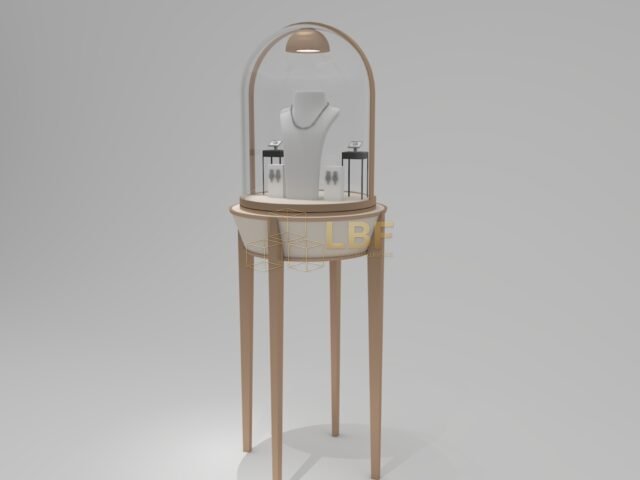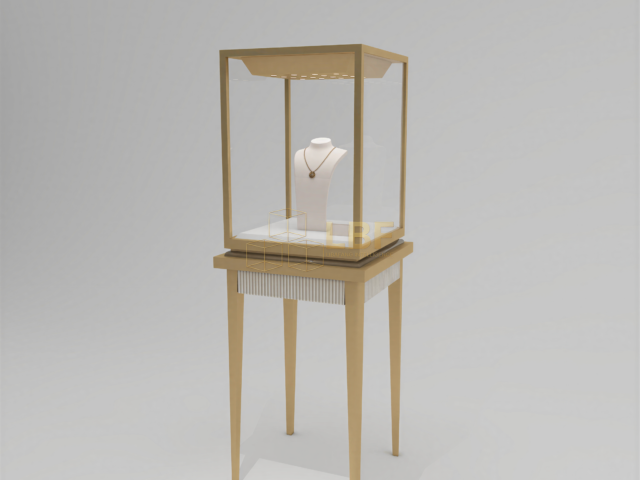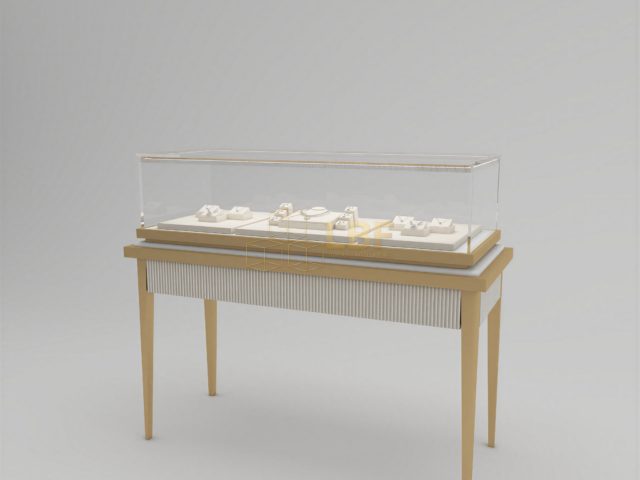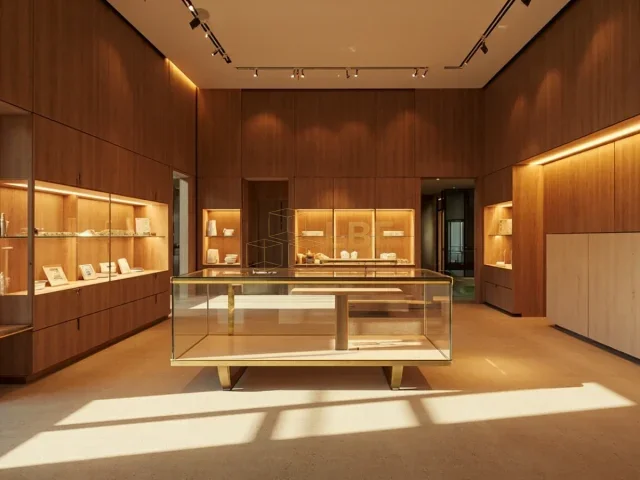
A museum display case that smells faintly of adhesive, silicone or fresh paint is not ready for a Roman coin, a silk textile or a 19th-century watch movement. Every material inside a case — casework panels, gaskets, powder coatings, laminated glass interlayers, even the foam padding used during transit — off-gasses volatile organic compounds (VOCs) and sheds moisture for weeks after manufacture. The display case conditioning stage, meaning the planned period of curing, airing and environmental stabilisation before objects go in, is the step most often compressed when a project runs late. Compressing it is also one of the most reliable ways to damage a collection. This guide sets out practical timelines, thresholds and verification steps for planning conditioning from the moment a case is specified.
Why Conditioning Is a Conservation Issue, Not a Housekeeping Detail
Objects in sealed cases sit in a microclimate. That is the point of a well-built case: it isolates the object from dust, pests and rapid humidity swings. But the same seal that protects also traps anything the case itself emits. Formaldehyde from particleboard binders, acetic acid from silicone sealants and certain woods, toluene and xylene from solvent-based paints, and plasticiser migration from soft PVC are all well-documented risks to metals, paper, textiles and pigments.
The practical consequence is simple: the case must finish off-gassing before the object goes in, not afterwards. A case that is conditioned properly will still require periodic monitoring, but the initial load — usually the largest emission the case will ever produce — will have passed. As a working figure, plan on allowing at least two to four weeks of active airing for a standard painted-steel and glass case with silicone-sealed joints, and longer for cases with large MDF content, solvent adhesives or fabric linings.
A Step-by-Step Conditioning Plan
Conditioning works best when it is written into the project programme rather than improvised on site. The sequence below reflects common practice for mid-to-large museum fit-outs.
- Receive and stage. Unpack cases in a clean, ventilated room at normal gallery temperature (typically 18–22 °C) and 45–55% RH, ideally the same environment the case will finally sit in. Leave doors and access panels open.
- Air actively for 14–28 days. Run fans or the room’s ventilation to move air through each case. Do not seal doors during this period.
- Clean interior surfaces. Wipe hard surfaces with deionised water and lint-free cloths to remove dust and residues before closing anything up.
- Close the case and rest it. Seal doors and let the case stand closed for 3–7 days so emissions accumulate to a measurable concentration.
- Test the air. Use a calibrated VOC meter or passive sampling tubes (formaldehyde, acetic acid, total VOCs) on a sample of cases at minimum.
- Record and release. Log results against your acceptance thresholds, then release the case for installation or repeat airing if results are marginal.
For high-value or highly sensitive collections — metals, textiles, works on paper — allow more time and more sampling points. A common rule of thumb is one sample per 5-10 cases, weighted towards cases with linings or complex finishes.
Concrete Targets: What Counts as “Clean Enough”
Vague targets get argued about. Fixed numbers get acted on. The figures below are practical targets drawn from conservation guidance and are widely used as acceptance criteria:
- Total VOCs: below 500 µg/m³ for general collections; below 100 µg/m³ for sensitive metals, textiles and paper.
- Formaldehyde: below 60 µg/m³ for general cases; below 10 µg/m³ for sensitive materials.
- Acetic acid: below 100 µg/m³ for mixed collections; aim for below 20 µg/m³ where lead, copper or zinc objects are involved.
- Relative humidity inside the closed case: within ±5% of the gallery RH after 24 hours of stabilisation.
- Odour: no detectable solvent or “new furniture” smell on entering the closed case — a practical but useful secondary check.
Where a case fails, the fix is usually more airing and warmth (within safe limits), not sealing it up and hoping. Running cases at 25–30 °C for a week or two can accelerate off-gassing noticeably, but only where the case design and finishes allow it.
Design Choices That Shorten Conditioning
Conditioning time is set largely at the design stage. If a client needs a tight gallery handover, the materials specification matters as much as the schedule. Powder-coated steel frames, low-emission MDF (E0 or better), water-based adhesives and mechanically fixed gaskets all reduce the initial emission load. Solvent-based sprays, heavy silicone sealing and foam-backed linings add weeks. Where gaskets are mechanical rather than adhesive, the case is also easier to air and re-seal during commissioning.
Well-built cases from a manufacturer that thinks about conditioning will arrive with a shorter curing tail. Libafang builds museum and retail display cases with low-emission finishes and accessible door and panel design specifically to make this stage practical on site.
Documenting the Process for Clients and Conservators
For museum projects, the conditioning record is part of the handover pack. Keep a simple log per case: date received, airing start and end, date closed, sampling date, results, action taken. Conservators reviewing display case specifications will expect this. On a 40-case gallery project, a one-page sheet per case is a small effort that prevents weeks of argument later.
If the project spans several rooms, stagger conditioning so that each room’s cases release for installation while the next room’s cases are airing. This keeps the installer moving without rushing any single case. And always condition in the final room where possible: moving a case between rooms with different RH forces it to re-equilibrate afterwards.
Plan Conditioning Like a Milestone, Not a Buffer
The easiest way to get museum display case conditioning right is to put it in the programme as a named milestone with an owner, a start date and a pass/fail test. Treat it with the same seriousness as glass installation or lighting commissioning. Specify low-emission materials early, allow 14–28 days of airing plus a closed-case rest period, test against numeric thresholds, and record the result. That sequence turns an invisible risk into a managed process — and gives conservators the confidence to install objects on schedule.
If you are planning a gallery, watch boutique or museum fit-out and need to align case specification with a realistic installation schedule, request a free design and quote from Libafang and our team will map the conditioning timeline alongside production milestones.