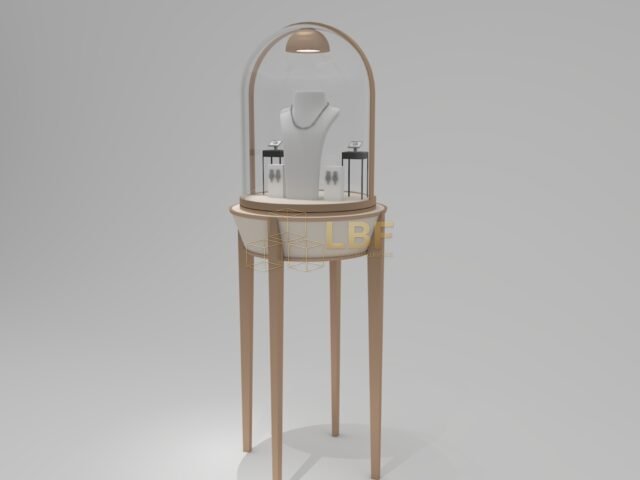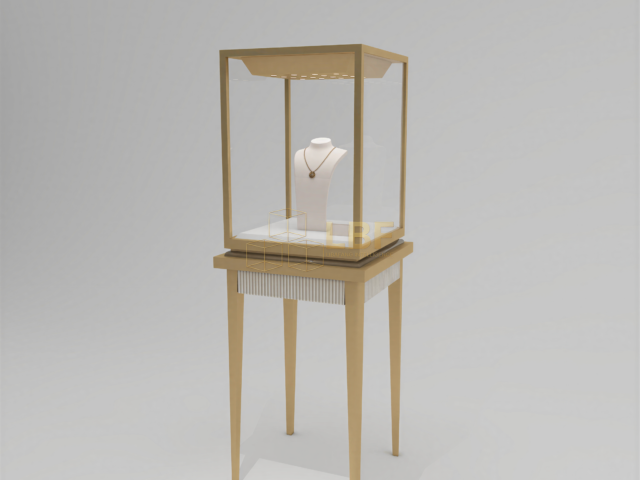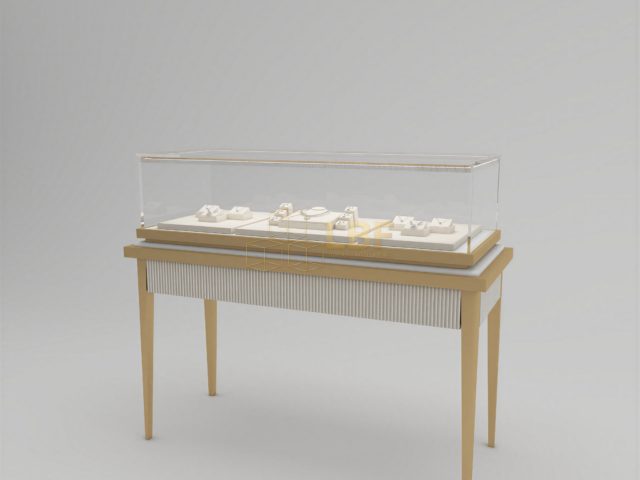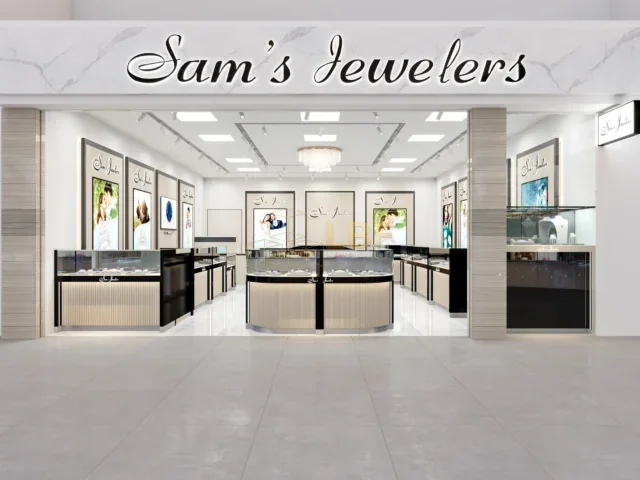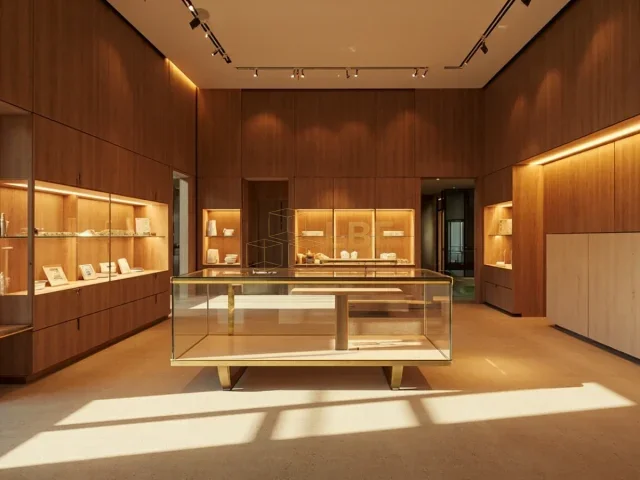
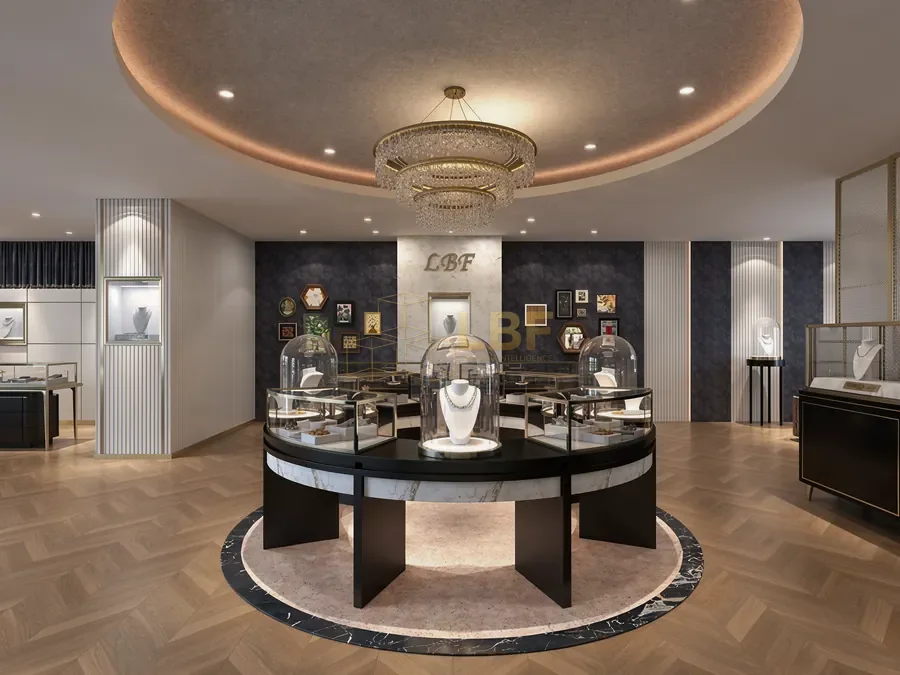
Corporate heritage collections are more than a nod to the past; they are strategic assets that communicate longevity, values, and innovation. Whether you are a watchmaker with a 150-year archive, a bank with a trove of historical documents, or a consumer brand with iconic packaging through the decades, the objects themselves are only half the story. The other half is how you display them. Museum display cases for corporate heritage collections must balance preservation, security, and interpretation—often within a brand-sensitive environment that sees public visitors, VIP clients, and employees. This article outlines a practical planning approach, from object assessment to interpretive design, with concrete numbers to guide your budget and specifications.
Start with a Condition and Significance Assessment
Before you choose a single case, you need to know what you are protecting. A formal condition and significance assessment will classify objects by material, fragility, and interpretive value. For a typical corporate collection of 100–300 objects, expect this phase to take 4–6 weeks and cost between $3,000 and $8,000 depending on the consultant. The output should be a prioritized list: which pieces are stable enough for long-term display, which need rotation every 3–6 months, and which should remain in storage. This step also informs your case specifications. For example, a 19th-century oil painting on canvas may tolerate 50 lux for 8 hours per day, while a silk banner might require 50 lux for no more than 3 months per year. Without this data, you risk irreversible damage—and you cannot brief a display case manufacturer effectively.
Match Case Performance to Object Needs
Not all corporate museum display cases are created equal. The right specification depends on the object’s sensitivity and the expected visitor traffic. Here are the core parameters to define before requesting quotes:
- Air exchange rate: For stable ceramics or metals, 1–2 air exchanges per day is acceptable. For sensitive organics (paper, textiles, feathers), aim for 0.1–0.5 per day.
- RH control: Most mixed collections are comfortable at 45–55% relative humidity. Avoid fluctuations greater than ±5% per day.
- Lighting: Use LED sources with UV output below 10 µW/lumen. For most organic materials, limit to 50 lux with a timer; for robust metals and stone, up to 200 lux is fine.
- Security: For high-value items, specify laminated glass (e.g., 6.4 mm PVB) or polycarbonate, and tamper-proof locks. Consider vibration sensors for after-hours protection.
- Access: Decide between front-opening, sliding, or removable vitrines. For objects over 20 kg, plan for mechanical assists or two-person lifts.
These specifications directly affect cost. A basic glass case might cost $1,200–$2,500, while a climate-controlled case with active humidity control can run $8,000–$15,000. For a 150-object corporate heritage display, budget $150,000–$300,000 for cases alone, excluding design, lighting, and installation.
Design for Interpretation, Not Just Protection
A display case is a storytelling device. The best corporate heritage installations use a layered interpretive approach: a clear hierarchy of objects, concise label copy, and environmental graphics that connect the objects to the brand’s narrative. Plan for 30–50 words per label, and place primary labels at 90–120 cm from the floor for comfortable reading. For a typical 10-case exhibition, allocate 15–20% of the total project budget to interpretive design—this covers copywriting, graphic production, and mounting. Also consider sightlines: a case that is 100 cm high with a 30-degree angled top works well for small objects like watches or medals, while documents may require a 15-degree tilt. Libafang works with corporate clients to prototype case layouts using foam-core mockups before final production, which reduces costly changes later.
Integrate Security and Environmental Monitoring
Corporate collections often sit in semi-public spaces—lobbies, executive floors, or visitor centers—where security and environmental stability are harder to control than in a dedicated museum. Specify cases with concealed locks and tamper alarms for high-risk areas. For environmental monitoring, install data loggers in each case (approximately $150–$300 per unit) and review data weekly. If your building lacks reliable HVAC, choose passive buffering materials such as silica gel or conditioned foam, and plan for quarterly maintenance. For collections exceeding 50 objects, a centralized monitoring system with remote alerts is worth the $2,000–$5,000 investment.
Plan for Rotation and Future Growth
Corporate heritage collections are rarely static; new acquisitions and anniversaries demand updates. Design cases with adjustable shelving and removable mounts so you can rotate objects without replacing the case. A good rule of thumb is to reserve 20% of case volume for future additions. Also consider modularity: a system of standardized case sizes (e.g., 600 mm, 900 mm, and 1200 mm widths) allows you to reconfigure displays as your story evolves. This approach saves 30–40% on future case costs compared to custom builds each time.
Planning corporate museum display cases is a multidisciplinary exercise that rewards early investment in assessment, specifications, and interpretation. By defining object needs, budgeting for performance, and designing for storytelling, you create a heritage display that protects your assets and amplifies your brand. If you are ready to move from concept to fabrication, Libafang offers free design consultations and quotes for custom display cases tailored to corporate collections. Share your object list and space requirements, and we will propose a practical, budget-conscious solution.