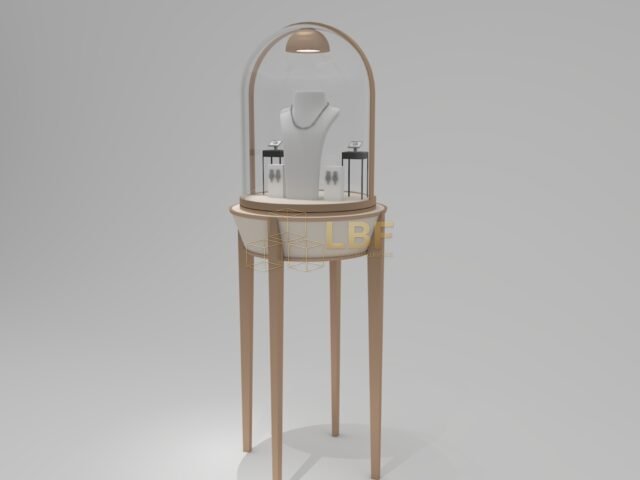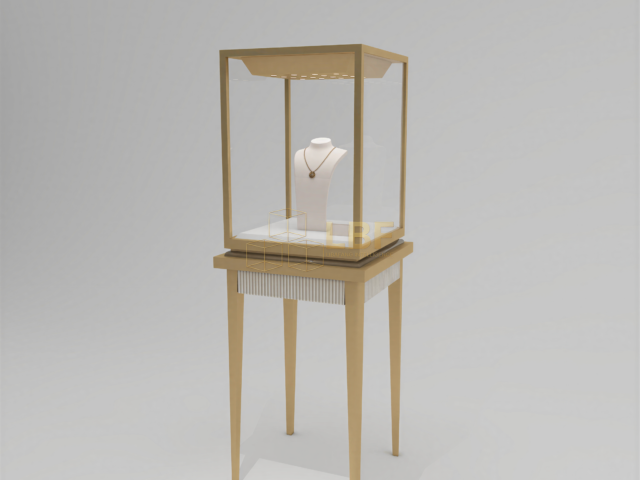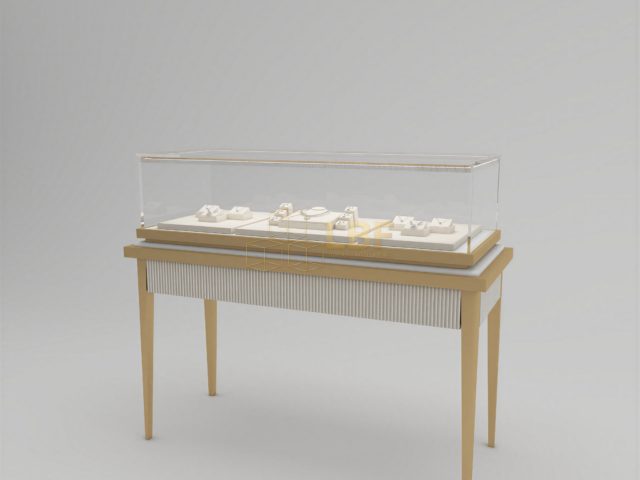

Museum display case gaskets are the unsung heroes of artifact preservation. These seemingly simple seals protect invaluable collections from dust, humidity fluctuations, and airborne pollutants. Yet they are often overlooked until a problem arises. For institutions aiming to maintain a stable microclimate, understanding the nuances of gasket inspection, replacement, and maintenance access is essential. This guide provides concrete, actionable advice for conservators, facility managers, and designers who specify custom showcases.
Why Museum Display Case Gaskets Matter
A well-designed display case with high-performance gaskets can reduce air exchange to less than 0.1 air changes per day (ACD), creating a microclimate that shields sensitive artifacts from external fluctuations. Without effective sealing, even small gaps can lead to dust accumulation, increased corrosion rates, and costly climate control inefficiencies. Gaskets also play a critical role in pest exclusion and fire safety by minimizing smoke infiltration. For museums, the difference between a properly sealed and a poorly sealed case can mean the difference between preservation and irreversible damage.
Inspection Protocols and Frequency
Regular inspection is the first line of defense. Establish a schedule based on the case’s environment and artifact sensitivity. For high-traffic galleries or cases housing vulnerable materials, inspect gaskets every 3 months. For stable, low-traffic areas, a 6-month interval may suffice. During each inspection, check for:
- Visible wear and tear: Look for cracks, compression set, or discoloration. Gaskets should rebound quickly when pressed; a slow rebound indicates aging.
- Continuity of seal: Ensure there are no gaps at corners or where the gasket meets the glass. Use a feeler gauge (0.05 mm) to check for gaps that could allow air leakage.
- Adhesion and fit: Verify that the gasket remains firmly attached to the frame and hasn’t shrunk or stretched.
- Cleanliness: Dust and debris can compromise the seal. Wipe gaskets with a microfiber cloth and mild detergent, then dry thoroughly.
Document each inspection with photos and notes to track degradation over time. This data helps predict replacement needs and justifies maintenance budgets.
Replacement: When and How
Gaskets don’t last forever. Even the best materials degrade after 5–10 years, depending on environmental conditions and gasket type. Silicone gaskets generally offer the longest lifespan (10+ years), while EPDM and neoprene may need replacement every 5–7 years. Replace gaskets when you observe persistent compression set (over 30% loss), visible cracks, or if air exchange tests exceed your target ACD. For critical collections, consider proactive replacement every 7 years regardless of appearance.
Replacement procedure:
- Choose the right gasket: Match the original specification—material, hardness (typically 40–60 Shore A), and profile. Silicone is preferred for its low compression set and wide temperature range.
- Prepare the surface: Remove old gasket residue with a plastic scraper and solvent (e.g., isopropyl alcohol). Ensure the frame is clean and dry.
- Install the new gasket: Apply adhesive if required, press firmly into the groove, and avoid stretching. For compression gaskets, ensure uniform compression (typically 25–30%) when the case is closed.
- Test the seal: Perform a smoke test or use a thermal anemometer to check for leaks. Verify that the door or access panel closes smoothly without excessive force.
Proper installation is crucial; a misaligned gasket can reduce sealing effectiveness by up to 50%.
Maintenance Access and Design Considerations
Easy access for maintenance is often an afterthought in case design, but it is critical for long-term preservation. Specify cases with gaskets that can be inspected and replaced without dismantling the entire display. Features such as removable access panels, hinged tops, and gasket channels that allow straightforward replacement can save hours of labor and reduce risk to artifacts. When working with a manufacturer like Libafang, discuss maintenance access early in the design phase. Incorporate tool-free access where possible, and ensure that gaskets are accessible without moving heavy glass components. Additionally, design for reversible installation so that gaskets can be replaced without damaging the frame finish.
Gasket Materials and Performance
Material selection impacts longevity and sealing performance. Common options include:
- Silicone: Excellent compression set resistance, temperature range -60°C to 200°C, ideal for sensitive environments.
- EPDM: Good weather resistance, lower cost, suitable for general use but less durable than silicone.
- Neoprene: Moderate resistance to oils and chemicals, but prone to compression set over time.
For museum applications, silicone gaskets with a hardness of 50 Shore A and a hollow bulb profile are often recommended to achieve low closure force and high sealing efficiency. Ensure gaskets meet relevant fire safety standards (e.g., ASTM E84) and are low-outgassing to protect artifacts from volatile organic compounds.
Long-Term Preservation Through Proactive Care
Museum display case gaskets are a small component with a big impact on collection care. By implementing a routine inspection schedule, knowing when and how to replace gaskets, and designing cases with maintenance access in mind, institutions can extend the life of their showcases and safeguard their treasures. Libafang Showcase Co., Ltd. specializes in custom display cases with gasket systems engineered for durability and ease of maintenance, exporting to museums and luxury retailers in over 30 countries. Request a free design and quote to discuss how we can help you achieve optimal preservation with gasket solutions tailored to your needs.