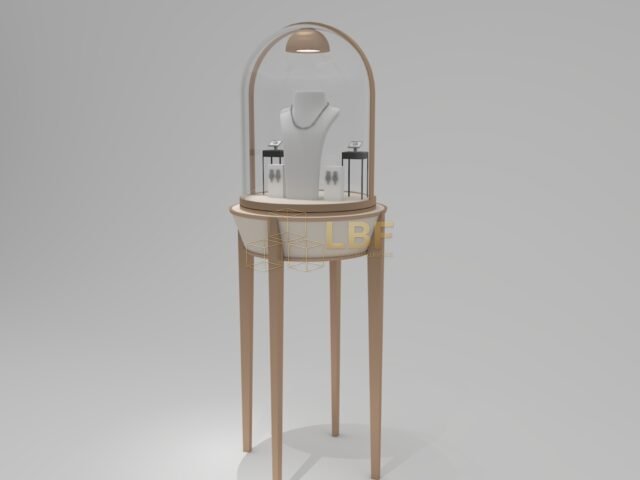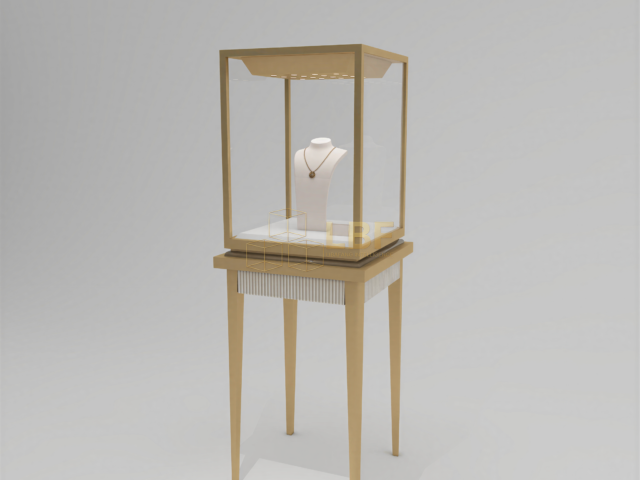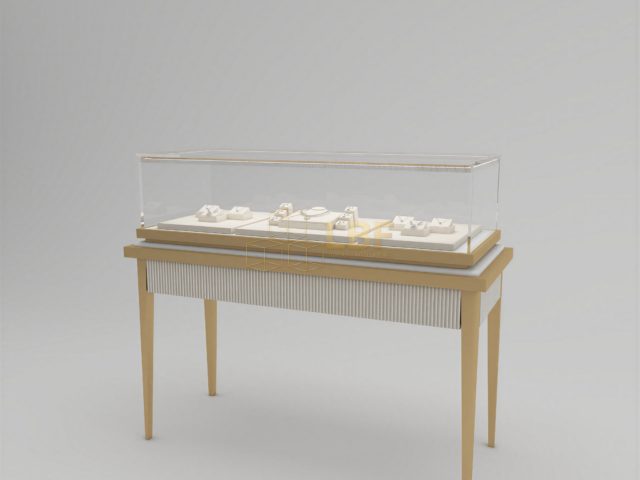

Your museum display cases arrive, get leveled, and the lights come on. Everything works. The temptation now is to sign the acceptance form, release the final payment and shift attention to installing the objects. Resist that temptation for another two weeks. The real value of a showcase project for a museum, gallery or luxury retail client often shows up in the paperwork delivered alongside the cases, not in the cases themselves. A weak handover file costs money five years later, when a conservator needs to prove an airtight gasket is inert, or maintenance staff need to re-thread a lighting track with no idea which component model is installed. This guide covers exactly what museum display case handover documentation should contain — the drawings, reports and records worth insisting on before you close the project.
As-built drawings and shop drawings are not the same document
Shop drawings show what was proposed; as-built drawings show what was actually delivered. Discrepancies are normal — a hinge changes, a cable route shifts by 40 mm, a glass thickness is upgraded from 8 mm to 10 mm for a taller vitrine. If you accept shop drawings as the final record, your future renovation or reconfiguration starts from false information. Push-back requirements should include:
- Fully dimensioned general arrangement drawings per case showing exterior size, internal clear volume, sight-line clearance and door swing radius to the nearest millimeter.
- Exploded and section details for doors, gaskets, hinges, locks and base plinths, with part numbers.
- Integrated services drawings showing cable routing, driver locations, LED wiring schematics, and power supply ratings for each case.
- An electrical single-line diagram for the full run, including any dimmable or museum-grade lighting control panel.
- Reflected ceiling and lighting plan showing beam angles and aiming points, where the cases are perimeter-fixed.
Ask for DWG, PDF and, where possible, BIM/IFC files. A set that only opens in a custom proprietary viewer is close to useless after the original team has moved on.
Material and component specifications with compliance data
Museum work attracts real conservation risk. For every case, the handover file should confirm material composition in a schedule or bill of materials, not a glossy brochure. This matters most for display-case interiors because non-inert materials — some paints and adhesives — can off-gass and damage metals and organic objects over time. Reasonable documentation includes the substrate, panel and gasket base facts for every component used, plus any testing performed to confirm the case environs are appropriate.
Useful specifications to include: sub-assembly schedule naming the glass type (float, low-reflectance laminated or cast acrylic) and thickness to the nearest tenth of a millimeter; gasket material grade and hardness with certifications; lock and hinge part numbers and test cycle data; and the full linear lumens per case plus CRI of each lighting channel. If humidity or temperature buffers are fitted, the design should document the target operating band — for example, 45 – 55% relative humidity, ±3% — backed by a basic performance test report recorded with an independent or calibrated meter.
Commissioning and test reports protect both sides
Great handover files are not limited to physical documentation. Commissioning reports should capture measured performance before sign-off, when problems are still the manufacturer’s problem. Request these records during handover:
- Leak-down or dust-tolerance results if the case was specified airtight, showing the start pressure and measured pass or fail criteria.
- Temperature, relative humidity and light-level measurements inside the case after 24 – 72 hours of operation. Record the meter identification number and calibration date.
- Lighting test data — lux at object plane per luminaire, UV fraction for any lit object, and a dimmer range log if dimming was specified.
- Bespoke lock commissioning report including lock numbering and the schema of any master key hierarchy held by security.
- A snag or punch list with signature dates for anything outstanding or completed from final inspection.
- Relevant conformity declarations or conformity-relevant test reports for included lights and electrical components, and a spare parts schedule if the client expects replacements to be held locally.
Save every measured number and client signature in a single PDF; it is the record you will rely on in any future dispute or retrospective conversation.
The maintenance schedule and spare parts register
Museum display cases contain components that age or fail with use, so the handover file should include an operation and maintenance manual specific to what was delivered. At minimum:
- A maintenance calendar stating the frequency, scope and skill level of every task: seal wipe-down and gasket lubrication; debris-free inspection of internal air paths if fan assisted; light output check; lock and hinge cycle test; battery replacement schedule for security or sensor components.
- A spare parts register listing the reference number, supplier, lead time and recommended quantity held in stock for consumables, plus a current quotation for rapidly used items at handover date.
- Cleaning and handling limitations per object-free component, such as glass cleaning fluids, then guidance to avoid accessories that touch or abrade interior surfaces.
- Warranty terms scheduled per component, with named contacts and response times for exhibition set-up emergencies.
Opening and validation dates included in a change/asset register should cover the installation team and the client’s building services and security teams. Two duplicated copies — one physical file in the case-maintenance area and one indexed digital folder covering about 8–12 master files (typically 3–5 MB each) — will ensure the information survives staff turnover.
What to put in the digital handover file while your team is still assembled
Before project close-out meetings end, have Libafang or your chosen display case manufacturer assemble a single indexed folder, with 15 named documents or fewer, containing as-built drawings, component schedules, commissioning records, and the maintenance and spare parts manual, all dated and release-marked. Label the folder by case reference and version number, share the read/edit rights beyond the project manager, and record who in your institution holds the master copy and where it is stored over the coming decades.
A museum display case is a long building-service asset typically designed for at least 10–15 years of operation. The mechanical component inside it may well need a hinge, driver or lock replaced — and the only reason your team will be able to do that confidentally is documentation that captures how it was made and how it has been maintained. Your display case manufacturer works across a wide project history; let your future senior team reap the benefit of it. Request our free design and quote and ask us to include the full museum display case handover documentation package as part of every proposed quote.