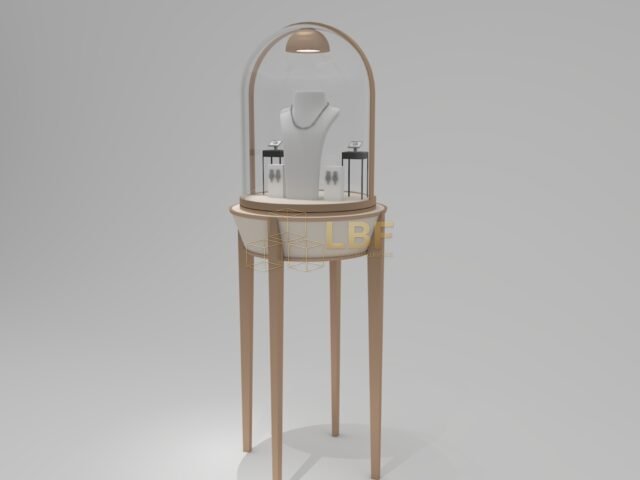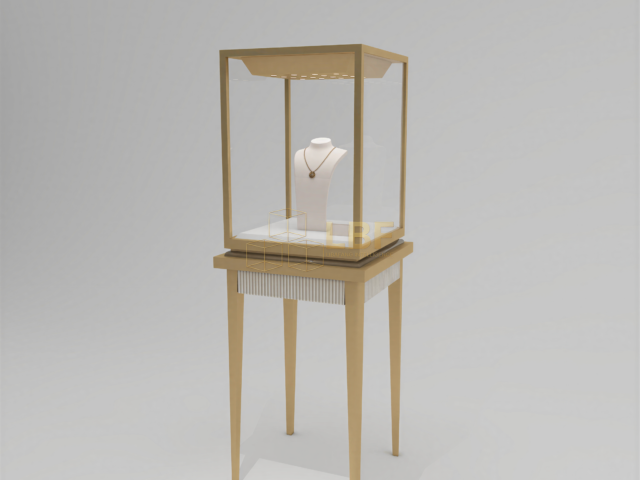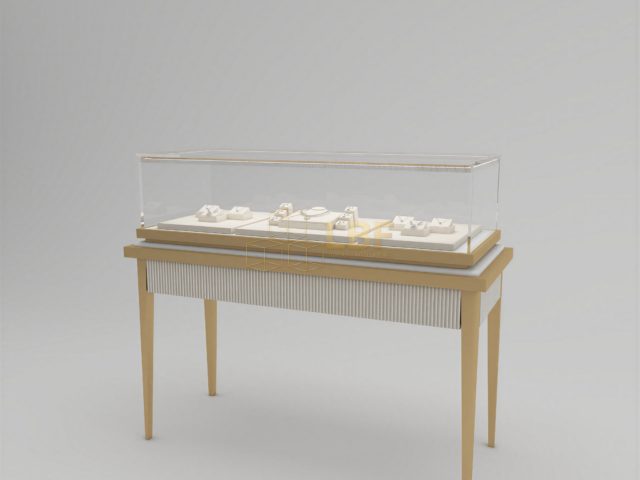

A display case is an environmental chamber, and sealants and adhesives are the weakest link in its envelope. Conservators specify gaskets, silica gel and an airtight vitrine, then approve a silicone bead or a solvent-based contact adhesive that off-gasses acetic acid or toluene into the case for months. The fix is paperwork, not opinion: ask suppliers for the same documents you would ask of an archival board or a case lining textile. Here is what to request for museum display case sealants and adhesives, and how to read what you receive.
Start With the Safety Data Sheet, Then Go Deeper
Every supplier can send a Safety Data Sheet (SDS) within a day. It tells you about workplace hazards — flash point, VOC content, respiratory protection — but almost nothing about what the cured product emits at 21°C inside a closed case over five years. Treat the SDS as a minimum, not a qualification. What you actually need is a manufacturer statement of composition or a technical data sheet that names the chemistry: neutral-cure silicone, MS polymer (modified silane), acrylic dispersion, polyurethane, or solvent-borne rubber. The chemistry family predicts the emission profile far better than the brand name. For museum work, neutral-cure silicones and MS polymer adhesives are the usual starting points; acid-cure silicones, which release acetic acid as they cure, should be excluded from any enclosed vitrine regardless of price.
The Documents to Request From Every Supplier
Build a short, standard request list and send it to every candidate supplier. A serious manufacturer will answer within two to five working days; vagueness is itself an answer. The core set:
- Technical Data Sheet (TDS) with the full cure schedule at 23°C and 50% relative humidity, plus the recommended bead size and joint depth.
- Odie or oddy test report — an independent accelerated corrosion test (usually 28 days at 60°C) run to the British Museum or Costic method, with the metal and lead coupons and photo documentation of the results.
- VOC and emission data, ideally from a chamber test such as ISO 16000-9 or a supplier-run emission curve showing total VOC decline over 7, 14 and 28 days.
- Archival/conservation suitability statement signed by the manufacturer, naming the intended use (enclosed display cases, artifact contact or proximity) and any exclusions.
- Batch and shelf-life information — production date, lot number, storage limits (typically 12–18 months from manufacture for moisture-cure products) and storage temperature range.
- Mechanical data — tensile strength, elongation at break, Shore A hardness and movement accommodation, which determine whether the seal will survive a 1–2 mm seasonal joint movement without cracking.
- Fire and regulatory declarations relevant to your market, such as EN 13501-1 reaction-to-fire class, REACH SVHC statements and, for US projects, a California Proposition 65 declaration.
Why Off-Gassing Is the Number That Matters
In a sealed vitrine of 0.5 m³ with an air exchange rate below 0.1 per day, a few grams of curing adhesive can dominate the internal atmosphere. Acetic acid, ammonia, amines, formaldehyde and solvents all corrode metals, embrittle paper and stain pigments. Practical guidance: choose products whose cured films are described by the manufacturer as low- or zero-emission, allow a minimum 14–28 day cure and flush period before installing objects, and confirm the cure time in writing rather than relying on “touch dry in 20 minutes.” For silicone and MS polymer, a 3 mm bead reaches full cure in roughly 24–48 hours at standard conditions; thicker sections cure at about 2–3 mm per day from the exposed surface. Plan the case build schedule around cure, not around delivery.
Adhesives for Case Interiors: Bond Strength Versus Chemistry
Structural bonds — glass to metal frames, laminated plinths, hidden brackets — need engineering data. Request lap-shear values on the actual substrates (glass, anodised aluminium, powder-coated steel, acrylic), because a datasheet figure on steel tells you little about adhesion to a low-energy plastic. For object mounts and labels, solvent-free acrylic transfer tapes and heat-set or water-based starch pastes remain the conservator’s default; request the manufacturer’s statement that the adhesive is reversible and leaves no residue after ageing. Ask for ageing data too: 1,000-hour accelerated UV or 85°C/85% RH testing results distinguish a product engineered for a decade indoors from one formulated for a bathroom.
How Libafang Handles Documentation in Custom Case Builds
On custom vitrines, sealant and adhesive choices interact with gasket compression, passively conditioned silica compartments and lighting heat loads, so we specify the sealant family in the drawing package and attach the TDS and oddy report to the client’s approval file. Ask for these documents before sign-off, keep a reference sample of each cured product, and re-test annually with your conservator. If a supplier cannot produce an oddy report, request a 28-day in-house emission test or specify a product that already has one on file.
Red Flags in Supplier Paperwork
Watch for TDS documents that list no cure schedule, no chemistry, or a “neutral” claim without naming the curing system; oddy reports older than five years or run on a different formulation than the one shipping; certificates with no lot number tied to your order; and shelf-life statements longer than 24 months for moisture-cure products, which is rarely credible. Priced against risk, a documented low-emission sealant costs perhaps 2–3 times a hardware-store silicone — a trivial sum against the value of a single object on display.
Planning a museum or gallery vitrine and want the specification and paperwork handled properly? Request a free design and quote from Libafang — tell us the object types, case dimensions and target internal environment, and we will return drawings, sealant and adhesive documentation, and a costed proposal within five working days.