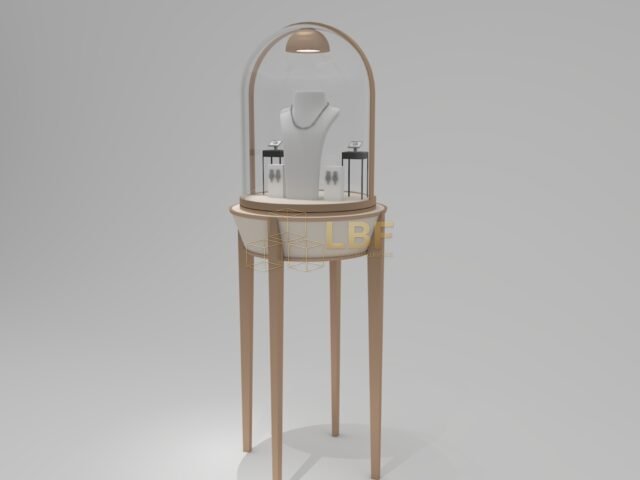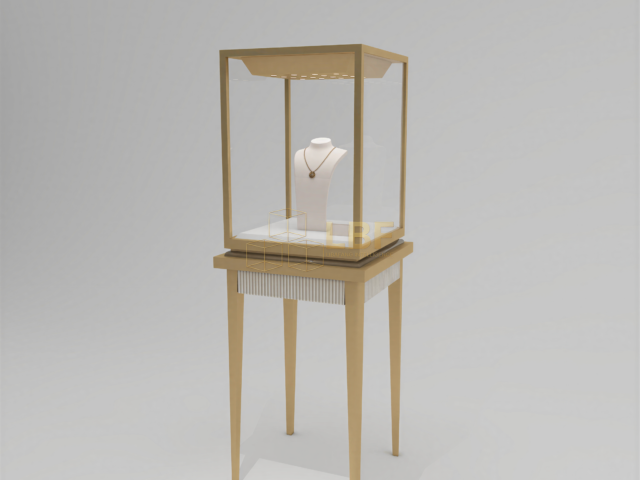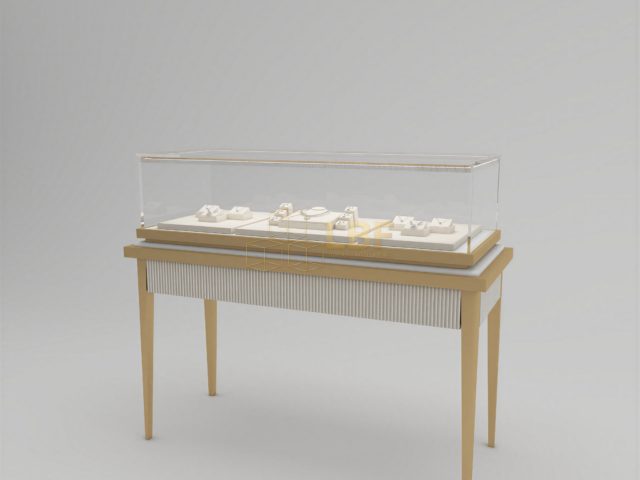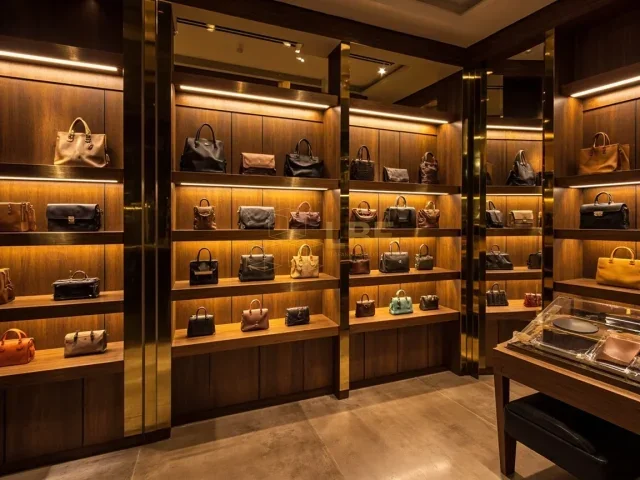

Relative humidity is the quietest threat in any gallery. A case that holds 45% RH in January can drift to 65% by August, and by the time a conservator notices condensation on a silver surface, the damage is already done. Silica gel compartments solve this — but only if they are reachable, correctly sized and maintained on a schedule. This article sets out how to plan access and maintenance for museum display case silica gel compartments so the buffer works as designed for the life of the exhibit, not just the first month.
Why the Compartment Matters as Much as the Silica Gel
Silica gel is only as effective as the enclosure around it. A sealed vitrine with 1 kg of conditioned gel per cubic metre of case volume can hold a stable microclimate for months. The same case with a 3 mm gap along the door edge will exhaust that buffer in two to three weeks. The compartment is the interface between the buffer and the object, so it needs three properties: adequate volume, gasketed separation from the display chamber, and tool-free or single-tool access for the registrar or technician who services it.
As a baseline, plan for roughly 0.5–1 kg of silica gel per cubic metre of case air volume for a well-sealed case in a climate-controlled room, and double that for cases in historic buildings with wider temperature swings. A 1.2 m × 0.6 m × 2.0 m free-standing vitrine holds about 1.4 m³, so 1.5 kg of gel is a sensible starting point.
Compartment Placement and Access Options
Where the gel lives determines how often it is actually changed. The four common configurations are:
- Base plinth drawer: a pull-out tray under the deck, typically 80–120 mm deep. Best for floor-standing cases and easiest to service without opening the display chamber.
- Rear service panel: a gasketed panel behind the case, often keyed. Good for wall cases and museum partitions where the public never sees the back.
- Head compartment: gel housed above the light box. Useful when floor space is tight, but access requires a step ladder and two people.
- Side column cassette: slim vertical cartridges along the frame, swappable in seconds. Suits high-security jewelry and watch cases where the display deck cannot be disturbed.
Whichever you choose, insist on a separate gasket line between the compartment and the display chamber. Without it, the gel dries the whole case too aggressively and the object sees faster RH swings during servicing. A simple perforated divider with a closed-cell foam seal is enough.
Setting Target RH and Choosing the Right Gel
Most mixed collections sit comfortably at 45–55% RH. Metals and most stone prefer the drier end; ivory, parchment, wooden polychrome and some textiles prefer 50–55%. Condition the gel to the midpoint of your target band — not to the extremes — and record the pre-conditioning batch on the compartment label. Use indicating gel only as a visual check; the colour change is a rough guide, not a measurement.
For a typical 1.4 m³ case, budget for two sets of gel per compartment: one in service, one recharging. That doubles the upfront cost of the buffer but halves the downtime and prevents the temptation to rush a recharge.
A Maintenance Schedule That Holds Up in Practice
The schedule below works for well-sealed cases in stable galleries. Tighten the intervals by 30–40% in older buildings or where door traffic is high.
- Weekly: read the data logger and check the indicating gel through the viewing window. Log the RH value, not just a pass/fail.
- Monthly: inspect the door and panel gaskets with a feeler gauge; replace any seal showing compression set beyond about 25%.
- Every 8–12 weeks: swap gel based on the logger trend, not the calendar alone. A rising RH curve over three consecutive weeks means the buffer is saturating.
- Twice a year: full compartment service — remove gel, clean the tray, check the divider seal, recondition the spare set in an oven or humidity chamber, and re-label with the date.
- Annually: review case leakage with a smoke pencil or thermal camera and record the findings for the next design iteration.
Build the schedule into the registrar’s calendar and assign a named technician. Unassigned maintenance is the most common cause of a failed microclimate.
Design Details That Save Time Later
A few details cost almost nothing at the factory but make servicing faster for the next twenty years. Specify a removable tray with a lip and a handle rather than a fixed shelf, so gel bags can be lifted out in one movement. Ask for a small laminated card inside the compartment showing the target RH, the gel weight, and the last service date. Route the logger cable through a dedicated grommet so it can be swapped without breaking the case seal. And where the case is against a wall, allow at least 600 mm of clearance behind the service panel — you cannot service a compartment you cannot reach.
Libafang builds these compartments as standard on custom museum and jewelry display cases, with the tray depth, gasket specification and access side matched to each gallery’s servicing routine. That means fewer compromises at installation and a maintenance plan that fits the room rather than the other way around.
Common Mistakes to Avoid
The most frequent errors are an undersized compartment, a gel tray that requires dismantling the display deck, and a schedule that assumes the case is sealed perfectly. Each is fixable at the design stage and expensive afterward. A conservative buffer, a gasketed divider, and a labelled swap kit cost little compared with a rehousing project or an insurance claim for a bloomed silver surface. Libafang’s design team can review your case drawings against these points before production begins.
Planning a new gallery or refitting an existing one? Send us your case dimensions, target RH and access constraints, and we will return a free design proposal and quote — including compartment layout, silica gel weight and a suggested service schedule — within five working days.