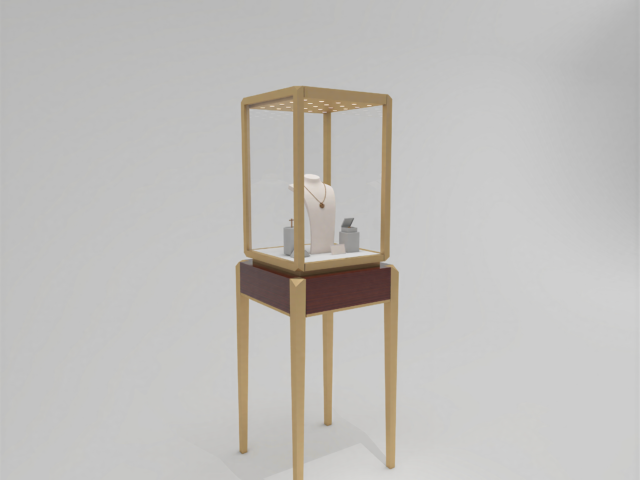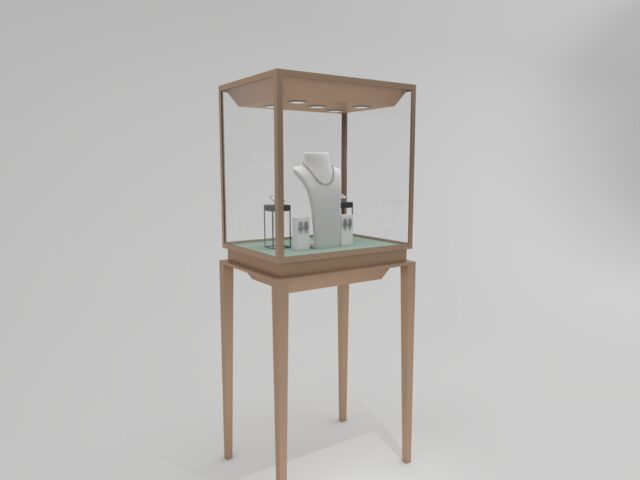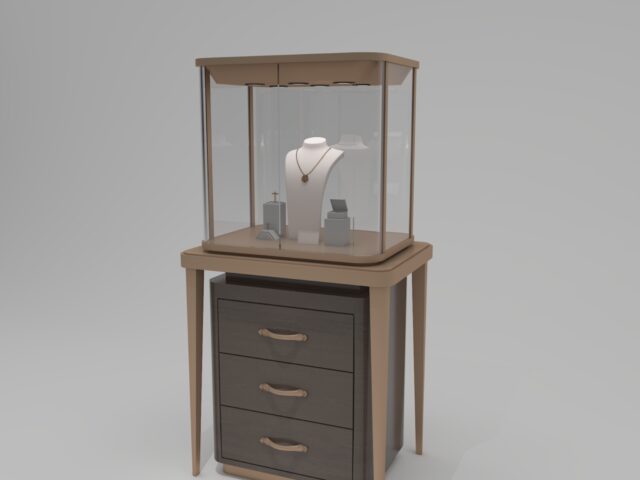
Medals arrive at a museum in deceptively simple packages: a disc of metal, a ribbon, sometimes a bar or clasp, often a named box. Yet a medal is rarely one object. It is a composite of struck metal, dyed and folded silk or synthetic ribbon, thread, card, leather and, frequently, handwriting or printed citations. Each material responds differently to light, humidity and gravity, and each carries meaning that visitors must be able to read. A museum medal display cases brief therefore has to solve three problems at once: supporting fragile composite objects, arranging them so a story is legible, and protecting them for decades. The choices below reflect how showcases are actually specified for medals in regimental museums, city museums and private collections.
Start With a Condition and Materials Survey
Before drawing a case, document what you have. A typical group might include a full-size medal (36–40 mm diameter), a miniature (18–22 mm), a ribbon bar, a named box and a citation card. Weigh and measure each item, and record the metal (silver, bronze, silver-gilt, plated base metal) and the ribbon type, because silk ribbons fade and fray faster than modern polyester equivalents. Note existing damage: bent suspender rings, shrunken or creased ribbon, corrosion products around clasps, and old adhesive residue from earlier mounts.
This survey sets the case specification. Silver tarnishes in the presence of sulfur compounds, so gasket materials, adhesives and fabrics should be tested or selected for low off-gassing. Textiles and paper prefer a stable 45–55% relative humidity, while bare metal tolerates a wider range but dislikes cycling. Where mixed materials share a case, aim for the middle of the textile range and control fluctuation rather than chasing a single perfect number.
Specify the Case Envelope: Light, Humidity and Security
Medal ribbons are among the most light-sensitive objects in a small museum. Cumulative exposure matters more than a single bright day, so budget illumination carefully. A practical target for dyed silk is 50 lux at the object surface with a maximum of about 50,000 lux-hours per year, and many institutions set lower limits for known fugitive dyes. Use LED sources with negligible UV output, keep case temperatures between 18 and 22°C, and avoid placing cases where sunlight strikes the glass for hours each afternoon.
For sealed cases, passive humidity control with conditioned silica gel can hold a stable microclimate if the case volume is small and the seal is good; monitor with a data logger for the first month and then quarterly. Security should match the collection’s value and the venue’s risk profile: laminated low-iron glass, concealed locks, tamper-evident fixings and anchored plinths are standard for medal groups that cannot be replaced.
Choose Mounts That Carry Load Without Stress
Never hang a medal by its ribbon alone. Silk and older synthetic ribbons creep under sustained load, and a full-size group can weigh 150–400 g with bars and clasps. The better approach is to support the medal from below with a concealed acrylic or brass cradle shaped to the rim, while the ribbon is supported along its length by a padded, angled former. Inclining medal faces by 10–15 degrees improves reading and reduces glare without putting torque on the suspender.
Ribbons should be shaped, not flattened. A padded insert behind the folds preserves the original pleating, and stitching, where unavoidable, uses fine inert thread through existing holes only. Avoid double-sided tape, hot glue, rubber bands and PVC foam — all common in older displays and all sources of staining or embrittlement. For groups, keep the original order and spacing, and photograph the arrangement before and after mounting.
Arrange for Reading: Hierarchy, Sightlines and Labels
Visitors read medals in three passes: overall group, individual award, then the human story. Build the case around that sequence.
- Group first: keep a recipient’s medals together in their awarded order, with consistent gaps of 20–30 mm so the group reads as one object.
- Eye level matters: place the most important group between 1.35 m and 1.55 m above floor level; small miniatures and clasps go no lower than 1.1 m.
- Labels below and slightly left: a 20–30 degree angled label shelf lets visitors read without stepping back, and keeps text clear of the objects.
- One idea per panel: a group label of 60–90 words, then individual captions of 25–40 words covering recipient, campaign, date and significance.
- Leave negative space: resist filling every centimetre; 25–35% empty background improves focus and leaves room for future acquisitions.
Interpretation should name the person, not just the campaign. A medal without a recipient is a specimen; with a name, date and a sentence of context it becomes history. Where a group is anonymous, say so honestly and explain what the medal type represents.
Set Access and Maintenance Rules Early
Plan how the case will be opened, because medals need periodic inspection. Removable trays or sliding object boards let staff lift a whole group to a work surface rather than reaching into the case. Allow at least 600 mm of clear working space in front of any door or lift-off hood, and specify how the glass is cleaned and how often. A written schedule — dust and glass monthly, condition check every six months, logger download quarterly — prevents small problems becoming conservation treatments.
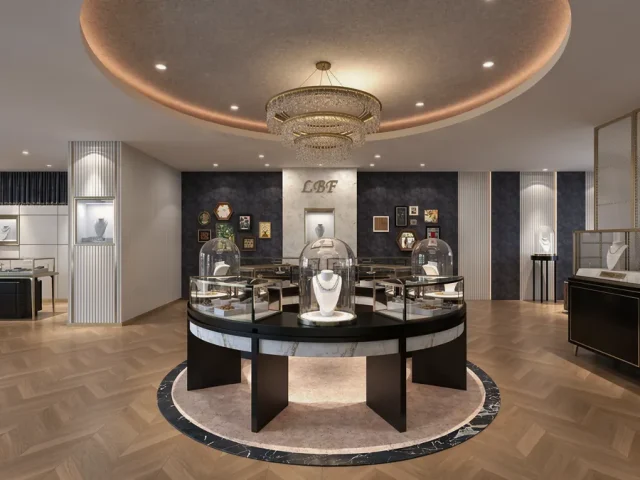
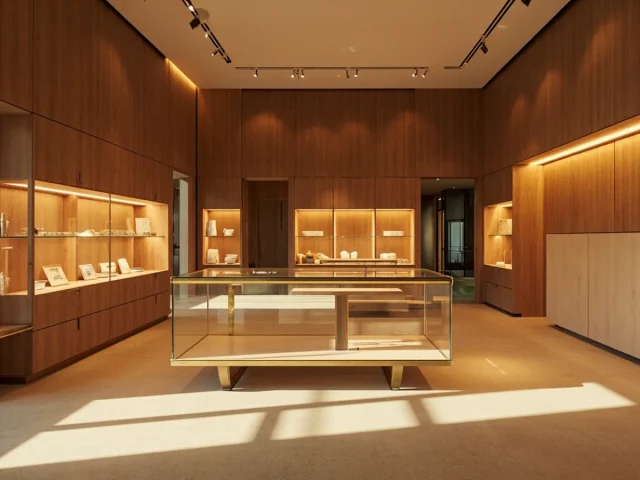
Libafang builds custom museum medal display cases in Guangzhou, combining sealed aluminum or steel frames, low-iron laminated glass, adjustable object boards and lockable access, with drawings and material samples approved before production. Cases are exported to more than 30 countries, with packing designed for international freight and installation guidance supplied with each unit.
A Short Specification Checklist
Use these figures as a starting brief for any quotation: internal case height sufficient for a 15-degree inclined medal board plus 60 mm clearance; 50 lux maximum on ribbons; 45–55% RH with logged stability; low-iron laminated glass; inert mount materials; 20–30 mm group spacing; labels angled 20–30 degrees; and documented access and cleaning procedures. Confirm these before fabrication, not after delivery.
Ready to plan a case around your medal collection? Send us your object list, dimensions and room conditions, and the Libafang team will return a free design proposal and quotation with mounting options and a conservation-minded specification.