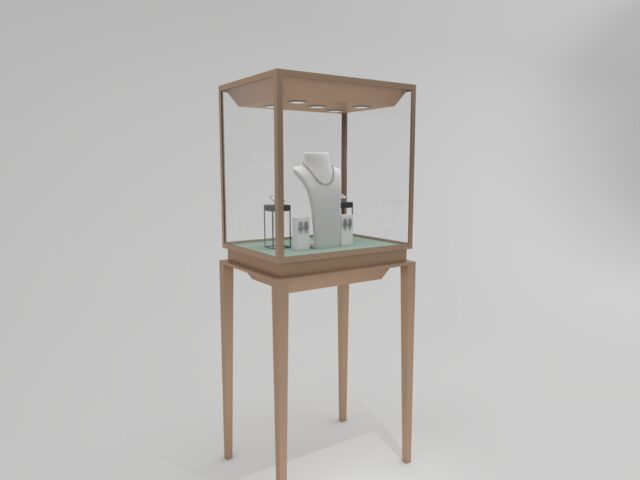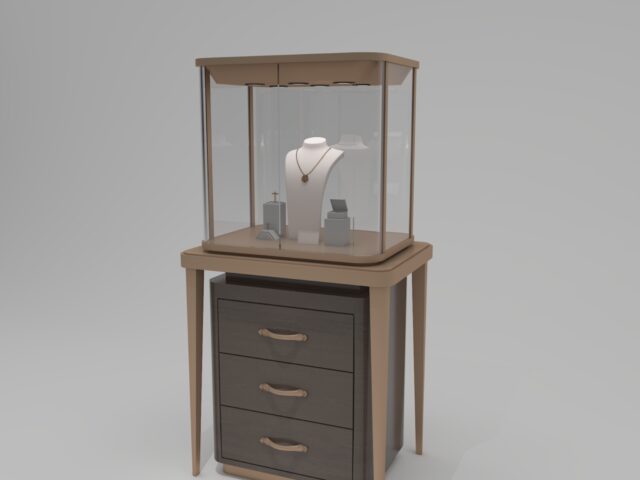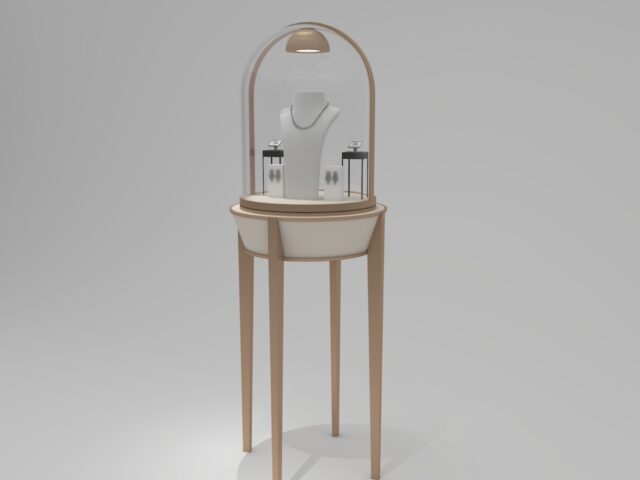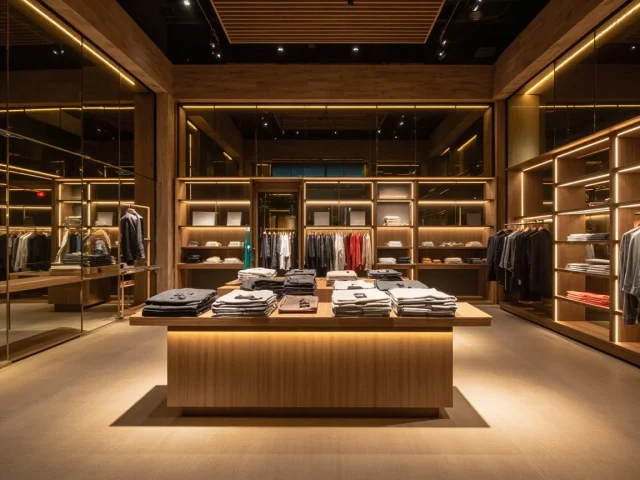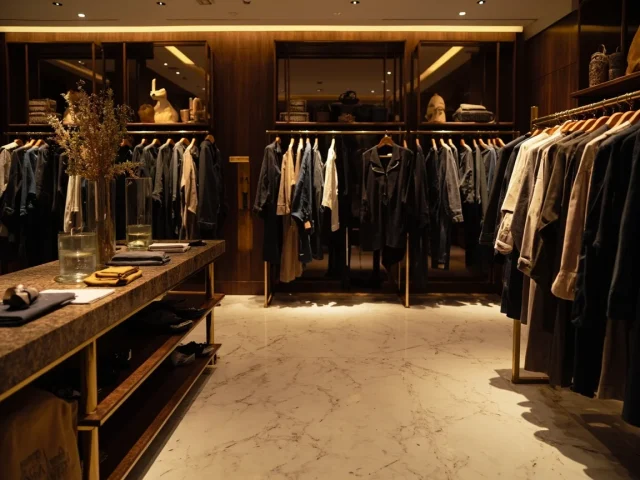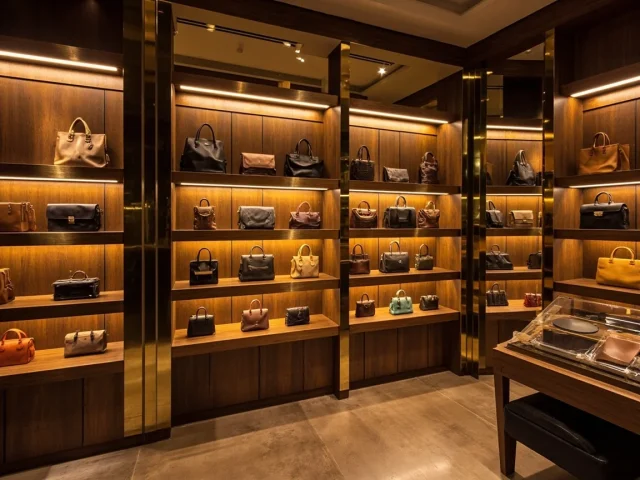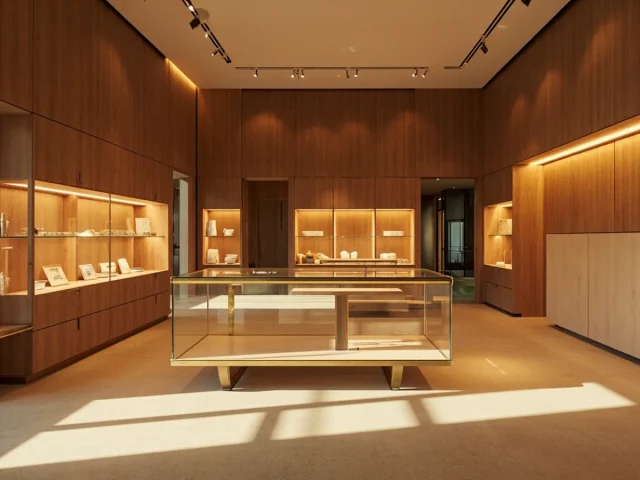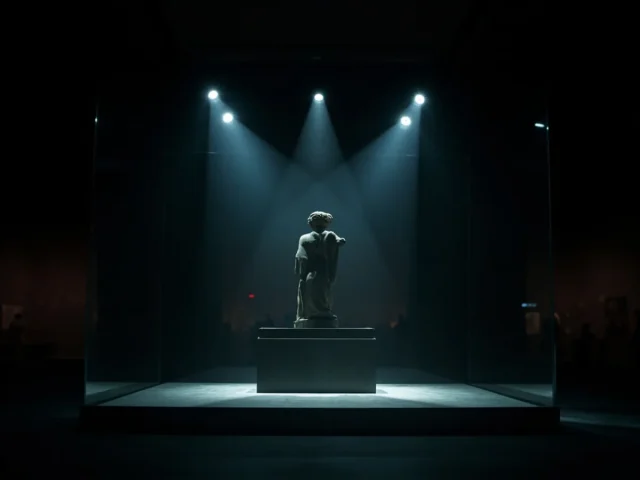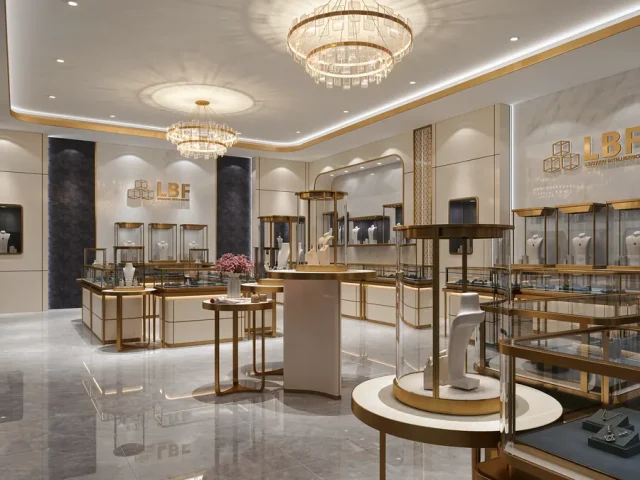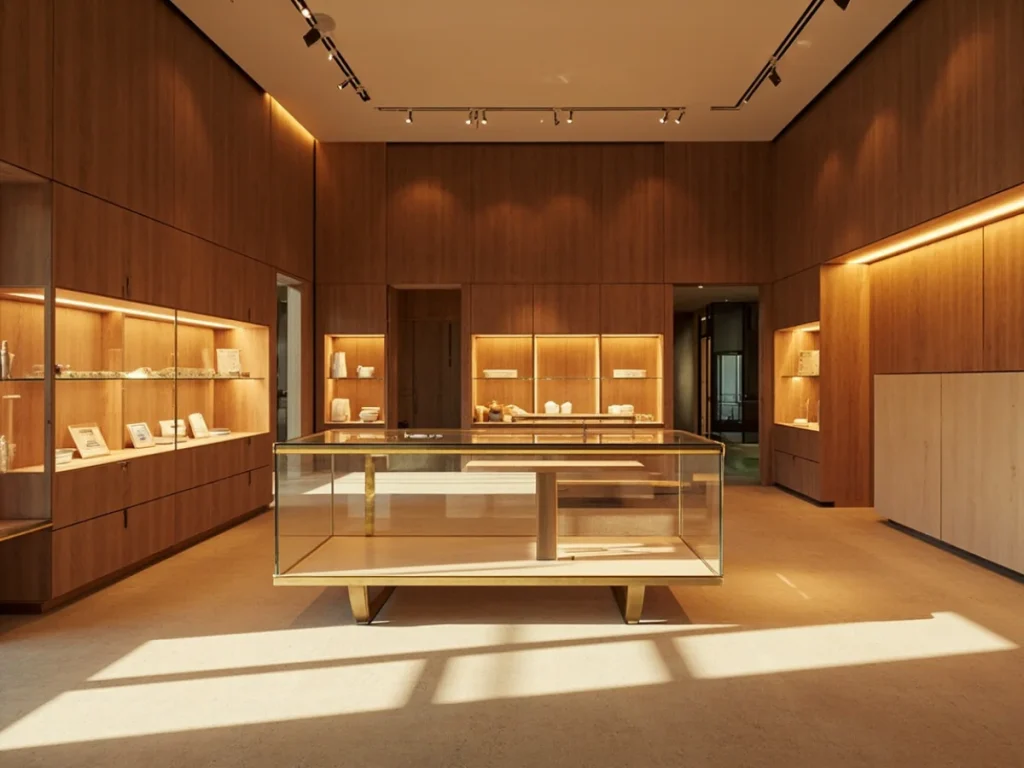
Airport retail is a different animal from high-street or mall retail. Your customer is in transit, often tired, always time-pressured, and carrying luggage. They may pass your storefront only once. In a typical international terminal, a departing passenger has roughly 45 to 90 minutes between security and boarding, and only a fraction of that is available for discretionary shopping. That window changes everything about how you plan luxury travel retail displays: the fixture must attract attention in under three seconds, present the product clearly from multiple walking angles, and survive 16 to 18 hours of daily use, seven days a week, in a high-dust, high-traffic, high-vibration environment. This article sets out the practical planning points that separate airport-ready showcases from fixtures that merely look good in a design render.
Start With Passenger Flow, Not With the Case
Before specifying a single material, map the walk path. Airport stores usually face two traffic types: a fast lane (passengers moving directly toward gates at 1.2 to 1.5 m/s) and a browsing pocket (passengers with 10+ minutes of buffer). Place your highest-conversion showcase at the 20 to 30 degree angle to the main flow rather than parallel to it, so passengers see the display face-on as they approach. Keep the front 600 mm of floor clear of plinths and signage to protect sightlines. For duty-free style layouts, a typical 60 to 120 sqm unit might use six to ten showcases: one hero case at the entrance, three to five linear wall or island cases, and one or two service-counter vitrines where staff hand over product.
Design for the Three-Second Read
Travel retail rewards visual hierarchy. A passenger will not stop to decode a cluttered case. Limit each showcase to one product family and a maximum of 9 to 12 SKUs at eye level (roughly 1,100 to 1,600 mm from floor for standing adults). Use a clear focal point: a single elevated piece on a riser of 80 to 120 mm, backed by a plain or lightly textured panel. Lighting contrast does the work — aim for roughly 3:1 to 4:1 between the product and its immediate background, with LED colour rendering of CRI 90+ and a colour temperature between 3000K and 4000K. Warmer light suits gold and gemstones; cooler light suits steel watches and technical products. Avoid mixing colour temperatures within one sightline.
The Engineering Checklist Most Plans Miss
Airport fixtures face constraints that boutique fixtures do not. Work through this list with your operations and landlord teams early, because retrofitting after manufacture is expensive:
- Security and locking: specify tempered laminated glass (typically 8+8 mm or 10+10 mm depending on case size) and a lock system with documented key control; many airports require keyed-alike or master-key suites and signed key registers.
- Power and cable routing: confirm voltage (110V or 220-240V), socket type and whether the landlord permits floor boxes or requires cable routing through the fixture base. Build in a 20 to 30 percent spare circuit capacity for future lighting changes.
- Fire and material compliance: many terminals require Class B or better flame-spread ratings on wood, fabric and foam, plus low-VOC finishes. Request test certificates before production, not after.
- Base and levelling: airport floors are rarely perfectly flat and can slope 3 to 5 mm per metre for drainage. Specify adjustable feet with at least 20 mm of travel and a hidden kick plinth.
- Weight loading: confirm floor load limits, especially in mezzanine or converted spaces; a fully loaded glass-and-MDF island case can run 250 to 400 kg.
- Mobility: if the concession may be re-merchandised seasonally, add concealed castors rated for the loaded weight, with levelling pads that drop into place.
- Cleaning and maintenance: specify removable trays and lift-out glass panels so staff can clean in under 10 minutes per case during a shift change.
Delivery, Installation and the Airport Calendar
Airport projects run on fixed possession windows. Deliveries often happen at night, through service corridors, with security escorts and badge checks. Build a realistic schedule: allow 4 to 6 weeks for design and approvals, 6 to 8 weeks for production of a mixed fixture package, and 3 to 7 nights for installation depending on store size. Freight to a distant terminal should be packed for multiple handling — export-grade crates, corner protection and individually wrapped glass. For international projects, factor in 2 to 4 weeks of sea freight or 5 to 8 days by air, plus customs clearance. Libafang manufactures in Guangzhou and ships to more than 30 countries, so projects typically build in a buffer week for documentation and port handling before the airport possession date.
Durability Specs That Protect Your Investment
A luxury display that looks tired after 18 months is a poor investment. Specify powder-coated steel or aluminium frames rather than painted MDF where possible, and use 1.0 to 1.5 mm steel sheet or 2.0 mm aluminium for structural panels. For wood elements, choose moisture-resistant plywood or MDF with sealed edges and 2K polyurethane or melamine finishes that resist cleaning chemicals. Hardware matters more than most buyers expect: soft-close hinges rated for 80,000+ cycles, drawer slides rated for 30 to 50 kg, and gasket seals on glass doors to keep dust off velvet pads. Budget a modest annual maintenance allowance of roughly 2 to 4 percent of fixture value for glass replacement, lighting swaps and re-polishing.
Good airport fixtures are engineered first and styled second, then styled again so the engineering disappears. If you are planning a terminal concession, duty-free zone, watch boutique or museum-style heritage display, send us your floor plan, traffic assumptions and brand guidelines. Libafang’s team can review the constraints and prepare a layout with material and lighting recommendations before you commit to tooling — request a free design and quote to get started.