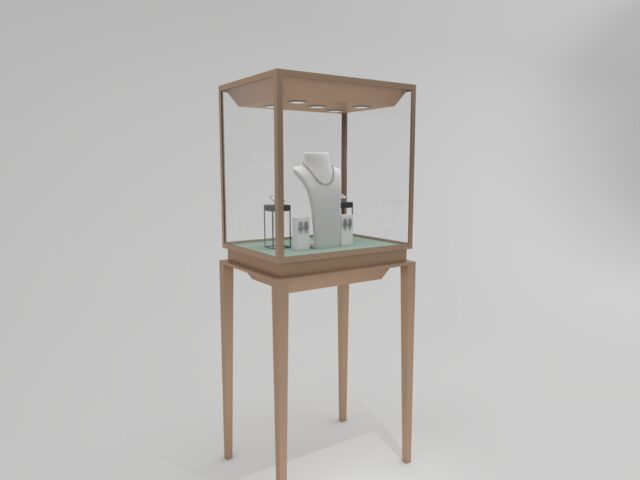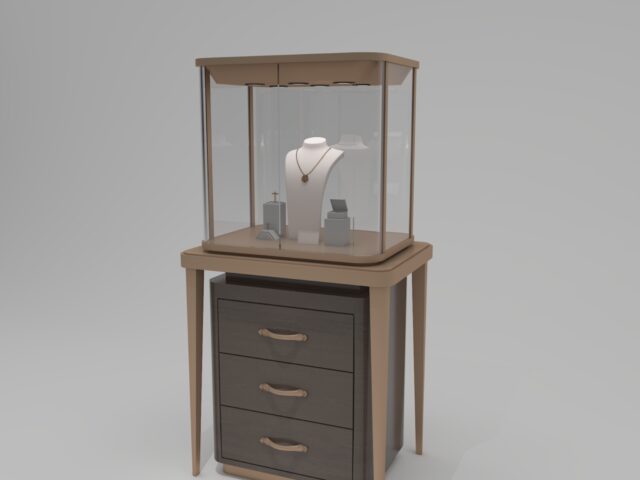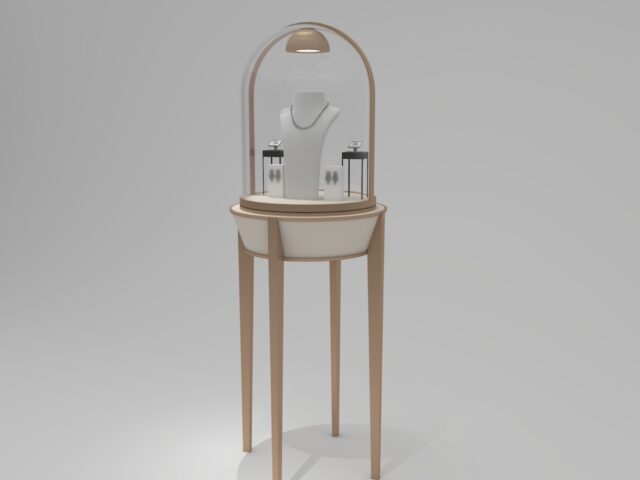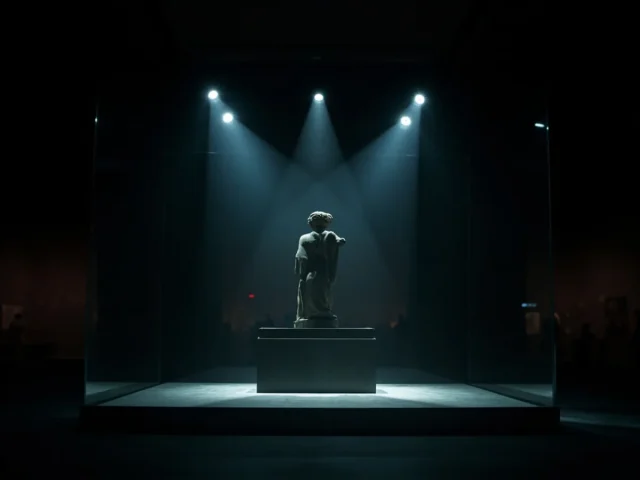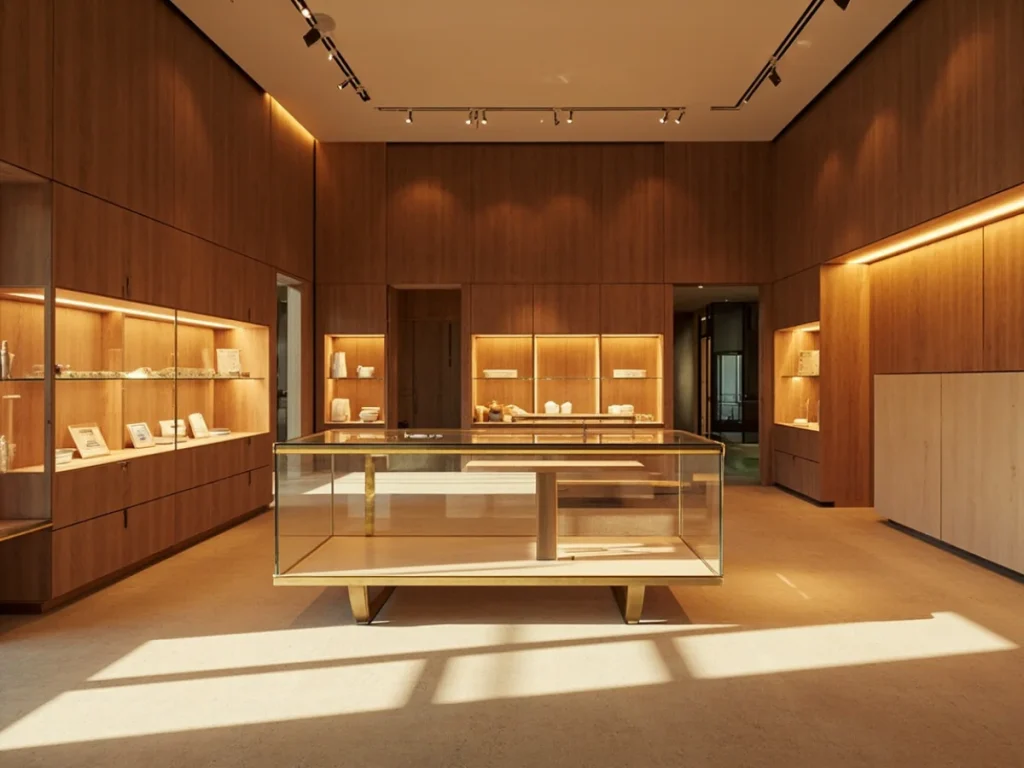
Sculptures present unique challenges for display case design: irregular shapes, heavy loads, delicate surfaces, and the need for unobstructed viewing from multiple angles. Whether you’re outfitting a museum gallery, a corporate lobby, or a private collection, getting the clearances, base, and installation access right is essential for both preservation and visitor experience. This guide breaks down the key numbers and design decisions that specifiers and curators need to know when commissioning museum sculpture display cases.
Why Clearances Matter for Sculpture Display Cases
Clearance is about more than just fitting the object inside the case. It affects airflow, microclimate stability, cleaning access, and the visual framing of the work. For museum sculpture display cases, a minimum of 50 mm (2 inches) of clearance between the sculpture and any interior surface is a common starting point. For irregular or fragile pieces, increase this to 100–150 mm to allow safe handling during installation and routine maintenance. If the case includes internal lighting or climate control sensors, allow additional space—often 75–100 mm—to prevent heat or sensor interference. Also consider the viewing distance: a case that is too tight can make the sculpture feel cramped, while excessive clearance may diminish its presence. A good rule of thumb is to provide at least 300 mm of visual breathing room on the sides and top when the sculpture is the focal point.
Base Design: Stability, Aesthetics, and Load Distribution
The base of a sculpture display case serves multiple functions: it supports the object, distributes weight, houses environmental controls, and contributes to the overall aesthetic. For heavy sculptures (over 100 kg), the base must be engineered to handle the load—typically using a steel frame or reinforced plywood core. A solid plinth with adjustable feet is recommended for uneven floors. For lighter works, a MDF or veneered base with a leveling system works well. Consider the base height: a common standard is 900–1000 mm from floor to the top of the base, which places the sculpture at average eye level for standing visitors. For smaller sculptures, a lower base (600–800 mm) may be more appropriate. Also, think about vibration isolation: if the sculpture is fragile or the location has foot traffic nearby, incorporate neoprene pads or spring isolators into the base design. Libafang often works with curators to integrate these elements seamlessly.
Installation Access: Doors, Panels, and Handling Space
How will the sculpture get inside the case? This question must be answered early, as it influences the case structure. Common access options include:
- Removable front panels – ideal for sculptures that need to be slid in from the front; requires at least 200 mm of clearance in front of the case for lifting.
- Hinged doors – suitable for smaller works; ensure the door swing does not obstruct walkways or other exhibits (allow 90° or 180° swing radius).
- Lift-off tops – for sculptures placed from above; requires overhead clearance equal to the sculpture height plus 100 mm.
- Sealed cases with removable base – the sculpture is mounted on the base, then the glass cover is lowered over it; requires a hoist or sufficient personnel.
Regardless of the method, plan for a minimum 600 mm wide access path to the case for equipment and handlers. Also, verify that the case can be assembled on-site if it’s too large to fit through doorways—modular designs with bolted connections are common for large sculpture cases.
Environmental and Security Integration
Sculptures may be sensitive to humidity, temperature, and light. Museum sculpture display cases often incorporate silica gel compartments, passive ventilation, or active climate control. Ensure that the base or plinth has space for desiccant cassettes (typically 50–100 mm deep) and that any sensors are accessible without opening the main case. For security, tamper-proof locks and optional alarm contacts are standard. Libafang has supplied cases with integrated vibration sensors and glass-break detectors for high-value sculptures.
Materials and Finishes for Sculpture Cases
The choice of glass and frame materials affects both aesthetics and protection. Low-iron glass with anti-reflective coating is preferred for clarity and color fidelity. For UV protection, laminated glass with UV-filtering interlayer blocks up to 99% of harmful rays. Frame materials can be powder-coated steel, anodized aluminum, or solid wood to match the gallery decor. Consider the weight: a typical glass case for a medium sculpture (500 mm cube) may weigh 80–120 kg, so floor load capacity must be checked.
Working with a Manufacturer
Custom museum sculpture display cases are not off-the-shelf items. Early collaboration with the manufacturer ensures that clearances, base design, and access are optimized for your specific sculpture and venue. Libafang, based in Guangzhou, has over 15 years of experience producing display cases for museums and luxury retail worldwide. Their team can provide detailed shop drawings and load calculations to simplify your specification process.
Ready to discuss your sculpture display project? Request a free design consultation and quote today—our team will review your requirements and provide a tailored solution within 48 hours.