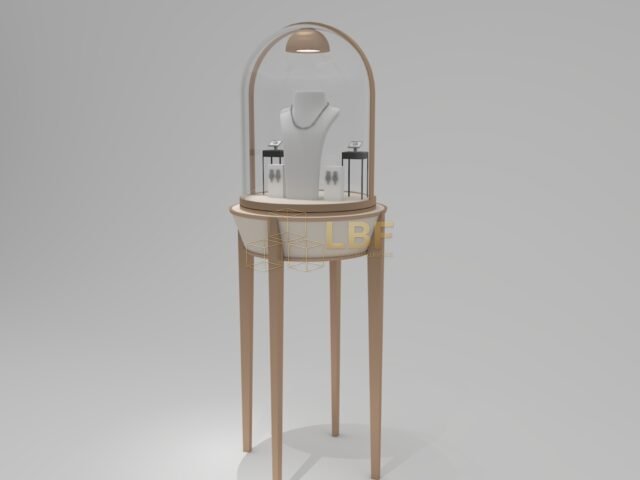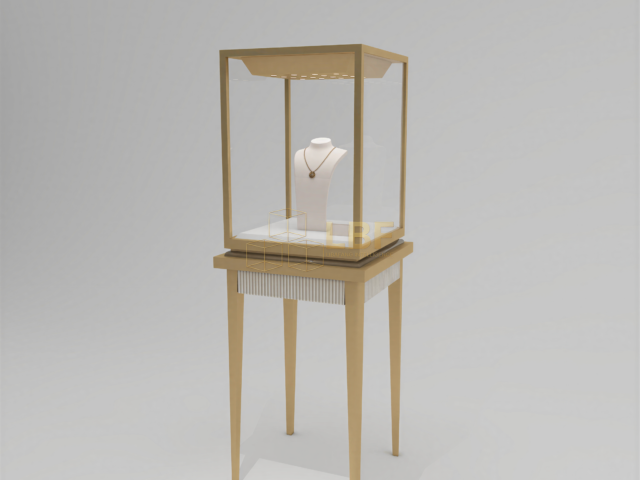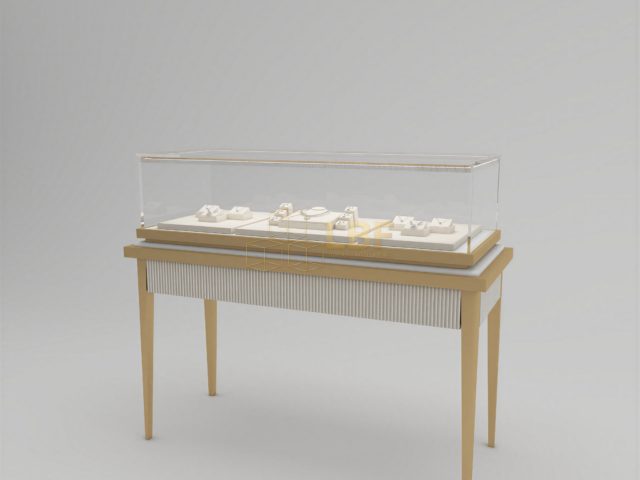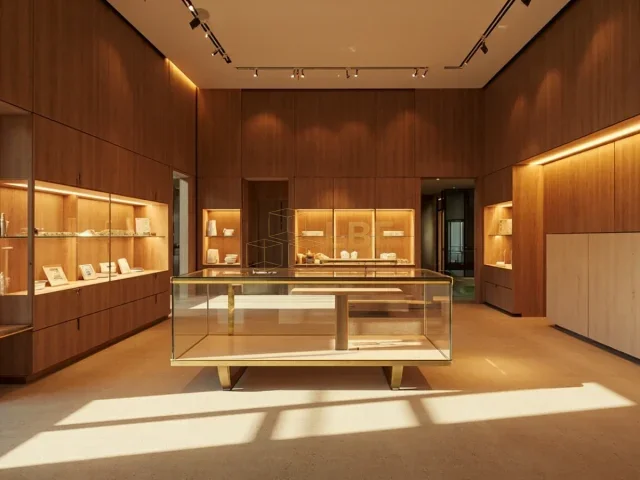

When a museum sends a collection on tour, the display case is not just a box with glass—it becomes part of the artifact’s life-support system for months or years. For traveling exhibitions, cases must survive repeated loading, truck and air transit, climate swings, and multiple reassemblies without compromising security or preservation. This guide covers the transport cycles and reassembly planning that curators, registrars, and exhibition designers need to build into case specifications from day one.
Define the transport cycle before you design the case
A transport cycle is one complete round: packing, loading, transit, unpacking, installation, and eventually repacking for the next venue. Traveling exhibitions typically run 3–6 venues over 18–36 months, so a case may face 6–12 transport cycles. Each cycle stresses the case through vibration, shock, and handling. Data from conservation research suggests that a typical truck journey exposes cargo to 0.5–2 g shocks and sustained vibration in the 1–200 Hz range; air freight can add pressure changes and harsher handling. Your case should be specified to survive at least twice the expected number of cycles to account for emergencies and extended tours.
Start by mapping the full itinerary: number of venues, transport modes (road, air, sea), expected climate zones, and storage conditions between venues. A case designed for a single 400 km truck trip needs different reinforcement than one flying between continents. Document these requirements in a transport and handling plan that the case manufacturer can design against.
Case construction for repeated travel
Traveling exhibition display cases differ from permanent vitrines in three key areas: structural reinforcement, closure systems, and surface durability. Use 24–25 mm plywood or aluminum composite panels for the base and lid; thinner materials flex under repeated handling. Corners should be reinforced with internal aluminum extrusions or hardwood blocks, not just external bumpers.
Closures matter as much as walls. Quarter-turn cam locks are common for permanent cases, but for travel, specify flush-mounted, keyed latches with a secondary safety pin. Avoid protruding hardware that can snag on crates or straps. Glass should be laminated safety glass or acrylic; laminated glass with a 0.76 mm PVB interlayer resists shattering and holds fragments together if cracked. Acrylic is lighter but scratches easily—budget for polishing or replacement every 2–3 cycles.
Sealing is critical for climate control. A well-sealed case with silicone gaskets and a desiccant chamber can maintain 45–55% RH for 4–8 weeks between servicing, depending on external conditions. Include a small data logger inside each case to track temperature and humidity throughout the tour.
The transport cycle: packing, loading, and tracking
Each transport cycle should follow a documented sequence. Below is a typical cycle for a mid-sized museum case (approximately 1.2 m × 0.8 m × 1.5 m):
- Pre-pack inspection (30–45 min): check case seals, latches, glass, and logger readings; photograph condition.
- Artifact packing (60–90 min): mount or secure the object, add cushioning, close and lock the case, apply tamper-evident seals.
- Crating (45–60 min): place the case in a reusable crate with 50 mm closed-cell foam on all sides; secure with straps.
- Loading and transit: use air-ride trucks where possible; avoid extreme temperature zones; record shock and tilt indicators.
- Unpacking and condition check (60–90 min): inspect crate and case, verify logger data, photograph, and document any changes.
Budget 4–6 hours of skilled labor per case per cycle for packing and unpacking. Shock and tilt indicators (costing under $10 each) provide a simple audit trail and can be required by lenders.
Reassembly planning: from crate to gallery
Reassembly is where many tours lose time. A case that takes 2 hours to reassemble at the factory may take 6 hours in a gallery with limited access. Plan for tool-free or single-tool assembly where possible: captive screws, alignment pins, and pre-installed electrical connectors. If the case includes lighting or environmental control, use plug-and-play connectors rather than hardwiring.
Create a reassembly checklist for each case that includes: leveling the base (allow 15–30 min), installing the lid or front glass (30–45 min with two people), connecting power and data (15–20 min), and verifying environmental settings (30 min). Always assign at least two technicians per case for reassembly; glass lids over 1 m² should be handled by three. Libafang designs cases with numbered components and a laminated reassembly diagram affixed inside the crate lid to reduce training time at each venue.
Allow one full day per 8–10 cases for reassembly and installation, plus a half-day for fine-tuning and condition reporting. If a venue has restricted hours or elevator access, add 20–30% to these estimates.
Documentation, spares, and maintenance between venues
Every traveling case should travel with a documentation packet: as-built drawings, material safety data sheets, a spare parts kit (gaskets, latches, desiccant, touch-up paint), and a maintenance log. Between venues, inspect and service cases: replace desiccant, check seals, tighten hardware, and clean glass. A preventive maintenance budget of 3–5% of the case value per year is realistic for touring exhibitions.
Train venue staff on basic handling and troubleshooting. A 30-minute video covering latch operation, emergency opening, and logger download can prevent costly mistakes. Keep a central register of case serial numbers, current locations, and maintenance history.
Working with a manufacturer
Bring your transport plan to the case manufacturer early. Share the itinerary, handling equipment, and venue constraints. Ask for shock and vibration test reports or at least design calculations for the base and lid. Request a factory reassembly trial with your team present—this is the best way to catch design issues before the tour begins. Libafang builds custom traveling exhibition display cases with reinforced construction, keyed latches, and documented reassembly procedures for museums and galleries exporting to over 30 countries. Specify replaceable gaskets and standard hardware so you can service cases anywhere.
Ready to plan cases that survive the road? Request a free design and quote from Libafang today—share your itinerary and we will recommend a case specification built for your transport cycles.