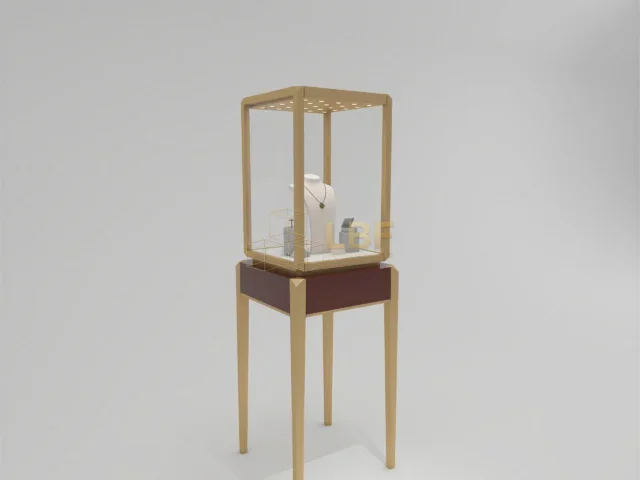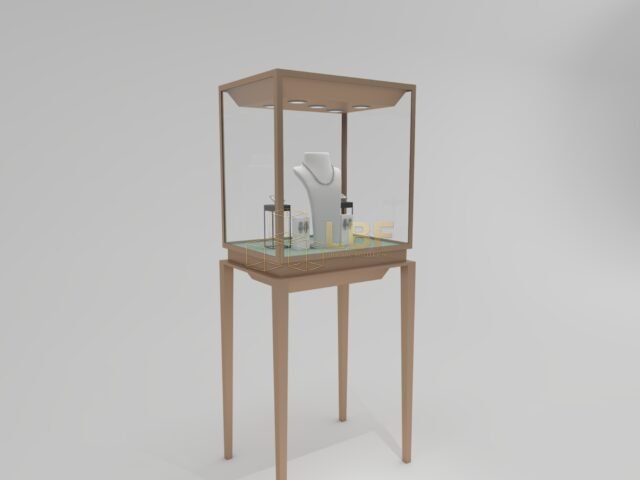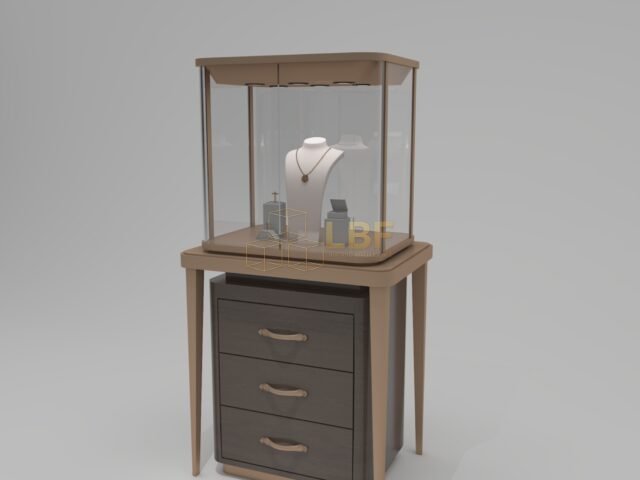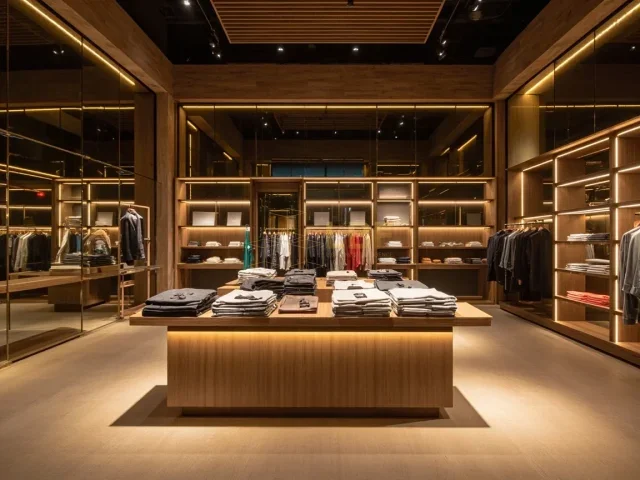
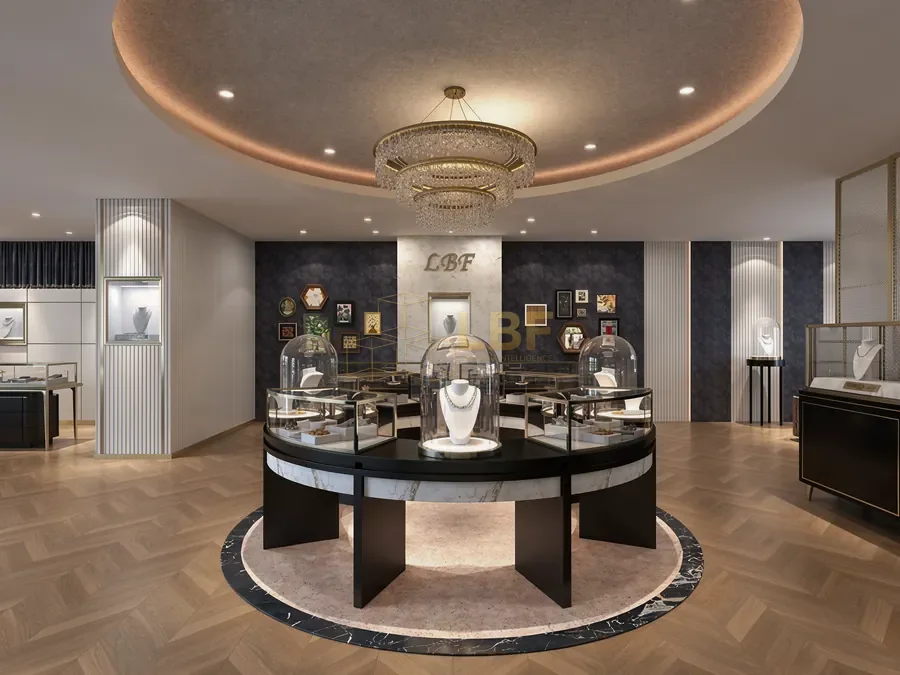
In luxury retail, the counter is where decisions happen. But for customers using wheelchairs, walkers, or who simply prefer to sit during a high-value purchase, a standard 36-inch jewelry counter can turn an exciting moment into an uncomfortable one. Accessible jewelry counters are not just a compliance issue—they are a sales opportunity. By planning for seated consultation and easy product viewing, you can serve a broader clientele, reduce fatigue, and create a more inclusive brand experience. This guide covers the key design decisions, from counter height and knee clearance to lighting and materials, with concrete specifications you can apply to your next project.
Why Accessible Jewelry Counters Matter
The global population is aging, and disability rights legislation in many markets (such as the ADA in the U.S. and the Equality Act in the U.K.) requires equal access to goods and services. But beyond legal minimums, accessible counters make business sense. A customer who can sit comfortably at a counter is likely to spend more time—and more money. For high-ticket items like watches, bridal jewelry, and fine gemstones, a seated consultation of 20–30 minutes is common. Without proper seating and viewing angles, that time becomes a physical strain. Accessible jewelry counters remove those barriers and signal that your store welcomes everyone.
Key Dimensions for Seated Consultation
Getting the height right is the foundation. For a seated customer, the counter surface should be between 28 and 34 inches (710–865 mm) above the floor. The ideal range for wheelchair users is 28–32 inches (710–815 mm), but a split-level or adjustable counter can serve both standing and seated customers. Knee clearance is equally important: provide at least 27 inches (685 mm) of clear height under the counter, 30 inches (760 mm) of width, and 19 inches (485 mm) of depth. This allows a wheelchair to pull up close. For standing customers, a standard 36-inch (915 mm) counter is fine, so consider a two-height design or a lower section dedicated to seating. The viewing surface should be at a comfortable angle—ideally 15–20 degrees from horizontal—so customers can see products without leaning forward.
Seating itself matters. Provide at least one chair or stool with a backrest and armrests at each accessible counter. The seat height should be 18–20 inches (455–510 mm) to allow easy transfer from a wheelchair. Allow a clear floor space of 30 x 48 inches (760 x 1220 mm) beside the seating area for maneuverability. These dimensions are not arbitrary; they are tested standards that make the difference between a counter that works and one that frustrates.
Layout and Circulation for All Customers
An accessible counter is only useful if customers can reach it. Plan for a clear path of at least 36 inches (915 mm) wide leading to the counter, with a 60-inch (1525 mm) turning radius nearby. Avoid placing the accessible section at the back of the store or in a corner where a wheelchair cannot turn. Instead, integrate it into the main flow, ideally near the entrance and with clear sightlines. If your store has multiple counters, equip at least one in each department—bridal, watches, fashion—with seated access.
Consider the sales associate’s position too. A seated consultation works best when the associate can sit alongside the customer, not tower over them. A 24-inch (610 mm) wide pull-out surface or a companion stool at the same height encourages a collaborative, side-by-side viewing experience.
Design Features for Comfort and Dignity
Accessible design should not look clinical. A few thoughtful details can integrate accessibility seamlessly:
- Adjustable-height work surface: A counter that moves between 28 and 36 inches accommodates both seated and standing customers without a separate station. Electric or gas-lift mechanisms can be hidden under the counter.
- Sloped or angled display trays: Trays angled at 15–20 degrees bring products closer to the eye, especially for customers of shorter stature or those seated.
- Pull-out or swing-out trays: These allow the sales associate to present items directly in front of the customer without reaching across a wide counter.
- Integrated lighting: Under-cabinet LED lighting at 3000–3500K with a CRI of 90+ ensures jewelry sparkles and colors are accurate, regardless of the customer’s viewing angle.
- Soft, rounded edges: Edges should be rounded or beveled to prevent injury, especially for customers with limited mobility.
- Contrasting materials: Use matte finishes on the counter surface to reduce glare, and provide visual contrast between the counter edge and the floor for customers with low vision.
These features do not have to add significant cost. In fact, planning them at the design stage is far cheaper than retrofitting later. Libafang has incorporated such details into custom counters for retailers in over 30 countries, balancing aesthetics with function.
Materials, Durability, and Maintenance
Jewelry counters take heavy use. For accessible sections, choose materials that withstand wheelchair impacts and frequent cleaning. High-pressure laminate (HPL) or solid surface materials are durable and easy to clean. Glass tops are elegant but can scratch and show fingerprints; if used, specify tempered glass with an anti-glare coating and a matte film. Wood veneers add warmth but need protection from moisture and impact—consider a clear, hard lacquer. For the counter base, powder-coated steel or aluminum offers strength and a slim profile that maximizes knee clearance.
Weight capacity matters: a counter should support at least 200 lbs (90 kg) on the front edge, as customers may lean on it. Test any adjustable mechanism for 10,000 cycles to ensure longevity. Also, ensure that any electrical components (for lighting or height adjustment) are IP-rated for spill resistance and have cords routed away from foot traffic.
Working with a Manufacturer
Off-the-shelf counters rarely meet both aesthetic and accessibility goals. Custom manufacturing allows you to specify exact heights, clearances, and finishes. When briefing a manufacturer, provide a floor plan with dimensions, the range of customer needs you want to serve, and any local code requirements. Ask for shop drawings that show knee clearance and turning radii. A good manufacturer will also offer mock-ups or 3D renderings so you can test the design before production. Libafang, based in Guangzhou, specializes in custom display showcases for jewelry, watches, and museums, and can engineer accessible counters that match your brand.
Finally, train your staff. A well-designed counter is only effective if associates know how to adjust it, where to position chairs, and how to offer seated consultation without making customers feel singled out. Simple scripts like “Would you like to sit while we look at these pieces?” normalize the option for everyone.
Ready to make your store more inclusive? Request a free design and quote from our team today.