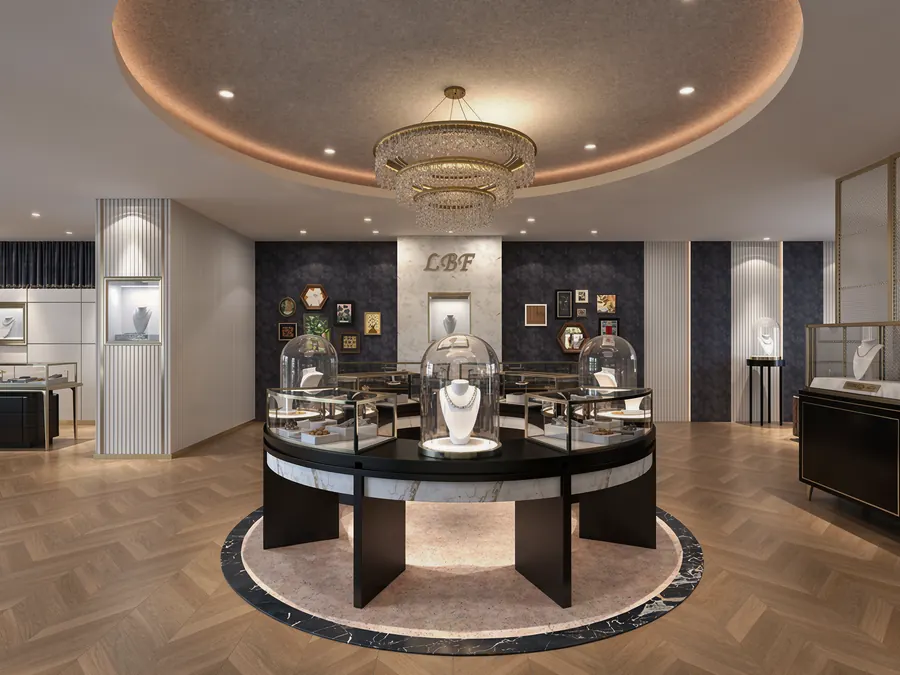
Silver is one of the most beautiful and versatile metals used in jewelry, tableware, and museum collections. Yet it is also one of the most reactive. When exposed to airborne sulfur compounds, chlorides, and fluctuating humidity, silver develops a dull gray-to-black tarnish that obscures its luster and, over time, can pit its surface. For jewelry retailers, antique dealers, and museums, protecting silver collections from tarnish is not merely aesthetic—it is a matter of asset preservation. A climate controlled display case addresses this challenge by maintaining a stable, low-humidity, low-pollutant microclimate around your silver pieces. This article explains how these cases work, what parameters matter, and what to look for when specifying one for your collection.
The Science of Silver Tarnish
Silver tarnish is primarily silver sulfide (Ag₂S), formed when silver reacts with hydrogen sulfide (H₂S) and other sulfur-containing gases in the air. This reaction occurs even at low concentrations—as little as a few parts per billion. Moisture accelerates the process significantly. Studies show that silver stored at 75% relative humidity (RH) can tarnish visibly within a few weeks, while the same piece kept at 30–40% RH may remain pristine for years. Additionally, chlorides from handling or airborne salts can cause pitting corrosion, which is irreversible. Temperature is less directly reactive but matters because temperature swings cause condensation, which feeds the tarnish cycle. The goal, then, is to create a microenvironment that is dry, clean, and stable.
What a Climate-Controlled Display Case Actually Does
A climate controlled display case is not just a sealed glass box. It integrates several active and passive systems to manage four key parameters:
- Relative humidity control: Using desiccant-based or thermoelectric systems to maintain RH typically between 30% and 45%. For silver, 35% RH is a common target for long-term preservation.
- Temperature stability: Keeping internal temperature at 20°C ±2°C (68°F ±3.6°F) prevents condensation and slows chemical reactions.
- Pollutant filtration: Activated carbon and potassium permanganate filters absorb sulfur gases, chlorine, and organic acids. A case with a well-maintained filter can reduce H₂S concentration by over 90%.
- Air exchange rate: Sealed cases with low leakage (<0.5 air changes per day) minimize the ingress of external pollutants and moisture.
Advanced cases also include data logging and alarms to alert staff if conditions drift out of range.
Design Features That Matter for Silver Collections
Not all climate controlled display cases are equally effective. When specifying a case for silver, pay attention to these design details:
- Gasket seals: Silicone or EPDM gaskets with compression latches prevent air infiltration. Magnetic seals are convenient but often leak more.
- Desiccant capacity: For a 1-cubic-meter case, a desiccant wheel or 1–2 kg of silica gel can hold RH at 35% for 2–4 weeks before regeneration, depending on ambient conditions.
- Filter placement: Filters should be positioned so that air circulates through them before contacting the silver. Avoid cases where the filter is bypassed by passive diffusion.
- Material compatibility: Avoid interior materials that off-gas sulfur or chlorides—such as certain vulcanized rubbers, some adhesives, and untreated wood. Use powder-coated steel, anodized aluminum, or inert plastics.
- Access design: Doors or drawers should open quickly and close securely to minimize the time the case is exposed to room air. A well-designed case can be opened for 30 seconds and recover its setpoint within 10 minutes.
Performance Metrics: What to Expect in Real-World Conditions
To determine whether a climate controlled display case is performing, you should monitor internal conditions. Typical benchmarks for a high-quality case in a climate-controlled room (22°C, 50% RH ambient) include:
- Internal RH maintained at 35% ±3% over 30 days.
- Temperature variation less than 1°C per day.
- H₂S concentration below 3 parts per billion (ppb) inside the case, versus 10–50 ppb in a typical urban environment.
- Air exchange rate below 0.2 per day.
Under these conditions, silver objects can remain tarnish-free for 5–10 years without polishing. Without climate control, visible tarnish may appear within 3–6 months in the same environment.
Choosing the Right Case for Your Silver Collection
Selection depends on the size and value of your collection, your ambient environment, and how often you need access. For retail jewelry stores displaying silver chains and rings, a small countertop case with a passive desiccant system may suffice if the store is air-conditioned. For museums or high-value antique silver, an active humidity-controlled case with redundant filtration and remote monitoring is recommended. Consider these questions before purchasing:
- What is the average RH and sulfur level in your display area? If ambient RH exceeds 60%, active dehumidification is necessary.
- How many pieces will the case hold, and what are their dimensions? This determines internal volume and desiccant capacity.
- How often will staff open the case? Frequent access requires a faster recovery system.
- Do you need data logging for insurance or conservation records? Many museums do.
- What is your budget for maintenance? Filters and desiccants need replacement every few months to a year.
Working with a manufacturer experienced in custom climate-controlled showcases can help you match specifications to your exact needs. Libafang Showcase Co., Ltd., based in Guangzhou, has been producing such cases for jewelry, watch, and museum clients for over 15 years, exporting to more than 30 countries.
Maintenance and Best Practices
Even the best climate controlled display case requires routine care. Check and replace desiccants every 3–6 months, or when RH rises above 45%. Replace carbon filters every 6–12 months, or more often in high-pollution areas. Use a calibrated hygrometer to verify conditions monthly. When handling silver, wear cotton or nitrile gloves to avoid transferring oils and chlorides. If you display silver with other materials—such as leather, wool, or certain plastics—isolate them, as these can release sulfur compounds. Finally, keep a log of internal conditions to spot trends before damage occurs.
Conclusion
Silver collections are vulnerable to invisible threats: humidity, sulfur gases, and temperature fluctuations. A climate controlled display case creates a protective microclimate that slows tarnish and preserves value. By understanding the science and specifying the right features, you can keep your silver bright for years. If you are ready to protect your collection, request a free design and quote today—our team will help you choose the ideal climate-controlled solution for your space and budget.