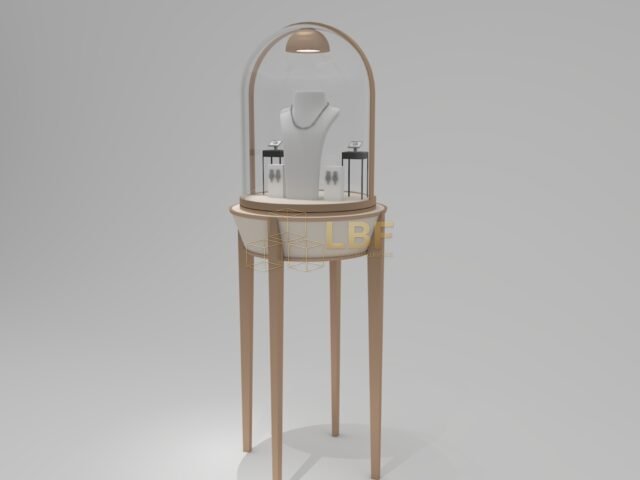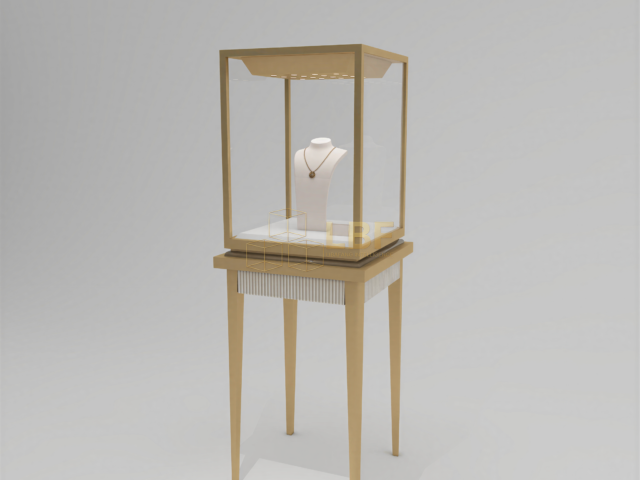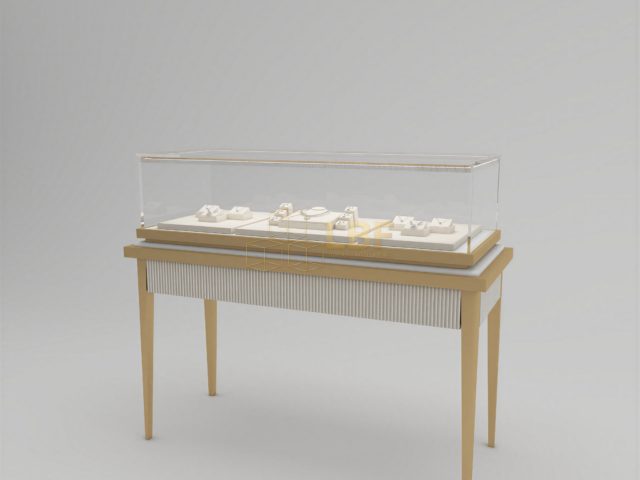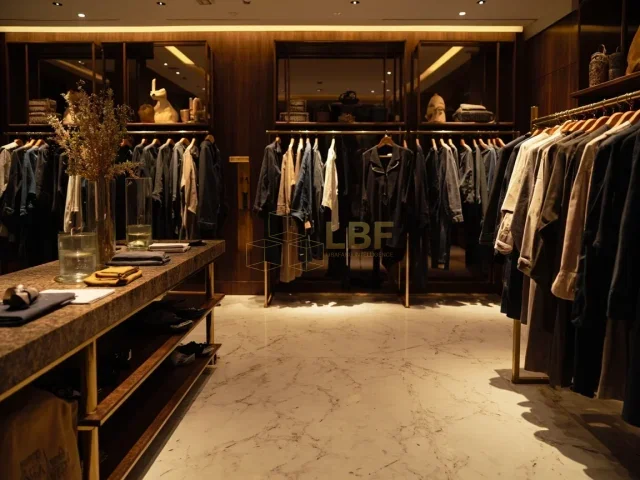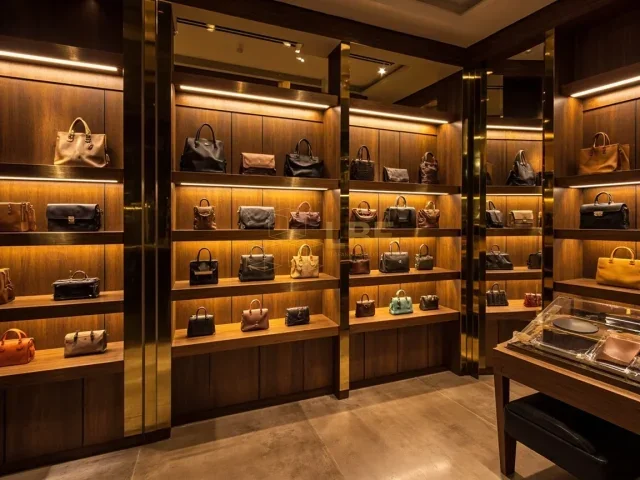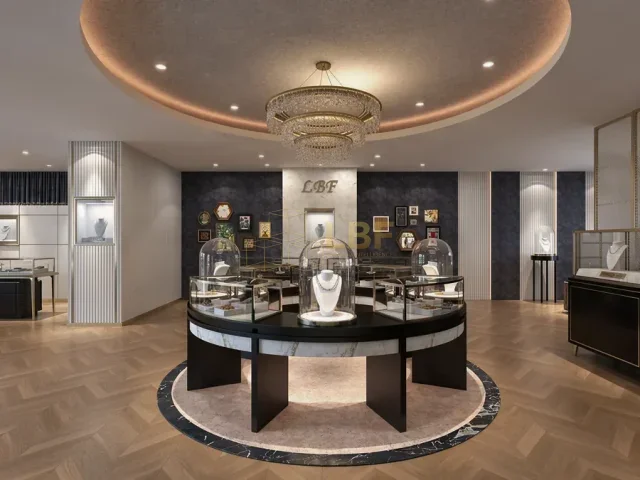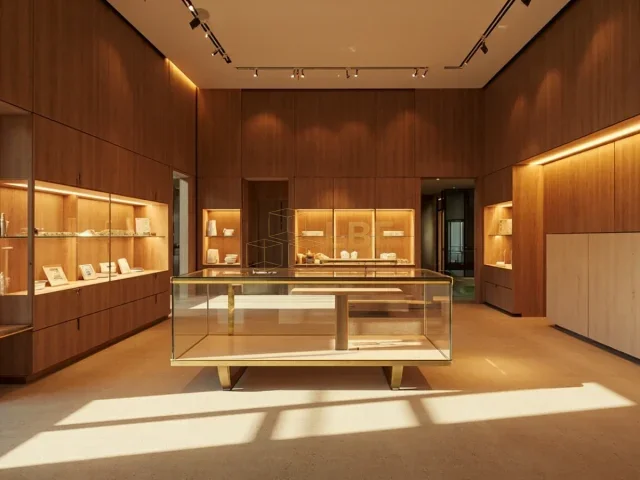

A jewelry showcase closing workflow fails for one boring reason: the tray pull and the visit to the safe are treated as two separate jobs. One associate removes trays from the window, another counts the vault bag, a third locks the display case, and nobody owns the handoff state between them. The result is predictable — double counts, misplaced pieces, and a closing that stretches from 15 minutes to 45. The fix is not more staff. It is a sequenced routine where every tray has a home, every count has an owner, and the showcase and the safe are closed as one motion rather than two.
Start With a Tray Map, Not a Showcase Case
Before you optimize anything, map the physical path. A typical 6-window jewelry storefront holds 12 to 24 display trays plus 2 to 4 risers or necklace busts. Each tray should have a fixed identifier — a small engraved code or a numbered felt tab on the underside — and a fixed slot in the safe or tray cabinet. If staff have to decide where a tray goes at 8:45 p.m., you are adding decision time to the most error-prone part of the shift.
Walk the closing route once with a stopwatch. Count the steps from the last display case to the storage door. Stores that place storage within 10 meters of the display perimeter routinely close 30–40% faster than those sending trays across a sales floor. If your safe room is far from the showcases, consider a two-stage pull: trays go first to a locked intermediate cabinet near the floor, then one person transfers them in a single trip.
The tray map should also note which pieces are high-value singles — anything above a store-defined threshold, often pieces over USD 3,000–5,000 in retail. Those should never sit in a multi-item tray during closing. Move them to individual slot trays or pouches first, so the count can be verified entry by entry.
Sequence the Pull: Showcase First, Case Doors Last
Order matters because doors and lit cases are the visual cues customers and staff use to judge whether a store is open. A workable sequence for a 15-to-20-showcase store:
- Announce closing and lock the entrance at the stated time; log the time.
- Staff #1 pulls all trays from floor and window displays in a fixed loop and stacks them on a rolling tray cart with dividers.
- Staff #2 verifies each tray against the tray map as it lands, ticking codes on a printed sheet.
- Trays transfer as a unit to storage; Staff #2 signs the transfer and Staff #1 countersigns.
- Only after all trays are behind a locked door do you wipe glass, switch off case lighting, and close physical lids or doors.
- Arm the alarm and record the final exit time.
Closing case doors last prevents the classic 9 p.m. mistake: lids shut on trays that are still inside, or a tray returned to the wrong window because the lights were already off. Never clean or adjust a display that still holds merchandise — and never move a tray you have not yet ticked.
Make the Count Match the Storage Slot
Counting merchandise alone is insufficient. A count that does not confirm the tray returned to the correct slot leaves room for the “found in the wrong cabinet” problem the next morning. Require two confirmations per tray: piece count against the inventory line, and slot code against the tray map.
- Assign one count owner per tray — two people counting the same tray usually means neither feels responsible.
- Set a variance threshold, commonly 0 for fine jewelry and 0 for watches; investigate any gap immediately, not the next day.
- Record the close in one log: time, trays out, trays returned, count owner initial, and safe lock time.
- Keep the log on paper or a shared sheet the morning team can see before opening.
Where possible, coordinate the closing matrix with how your showcases are built. A display built with standardized tray footprints — 300 x 400 mm, 350 x 450 mm, or similar modules — makes the map easier to write and the return easier to verify. This is a reason to specify tray sizes together with showcase interior dimensions at purchase, which is part of what Libafang does when a store commissions custom cases.
Prepare the Storage for a Fast Morning
A nightly closing workflow that ends well also has to start tomorrow well. Load the safe or tray cabinet in reverse display order so the morning open follows the same loop: last tray in, first tray out. Label the cabinet shelves with the same codes used on the tray map. Allow roughly 1.5 square feet of floor or shelf depth per tray along the return path, and place the highest-value trays at eye level for the final check.
Document what is not returning to storage — signage, risers, cleaning cloths, and empty tray liners. Empty trays and unused liners should be stored separately; mixing them with live trays slows counting and creates false matches. In museums and watch boutiques with a rotating display plan, add a 10-minute slot to swap tomorrow’s featured trays before locking up, so staff are not building the morning layout at 9 a.m. with customers waiting.
Measure the Workflow and Fix Friction Points
Track three numbers for two weeks: total closing time, number of count variances, and number of trays returned to the wrong slot. If closing time exceeds 25 minutes for 10 or more trays, the bottleneck is nearly always the distance between display and storage or a missing tray map. If variances occur despite correct counts, review how pieces are arranged inside the trays — loose earring pairs in one compartment, for example. If wrong-slot returns recur, your storage labels are not readable under low light; add high-contrast codes and a small task light at the cabinet.
Run a quarterly walkthrough with the closing, opening, and store managers present. Any change to the display layout should immediately trigger a tray map revision — both to keep the workflow accurate and to keep showcases and storage in step. When planning new or replacement displays, Libafang can help stores set this up correctly from the start by aligning tray dimensions, interior lighting, and lockable storage cabinets within one design and quote.
If you are outfitting a new jewelry floor, boutique, or museum case run and want your closing workflow designed around your inventory and storage room, request a free design and quote from Libafang — specify your tray sizes, showcase count, and safe location, and we will return a layout and pricing package tailored to your store.