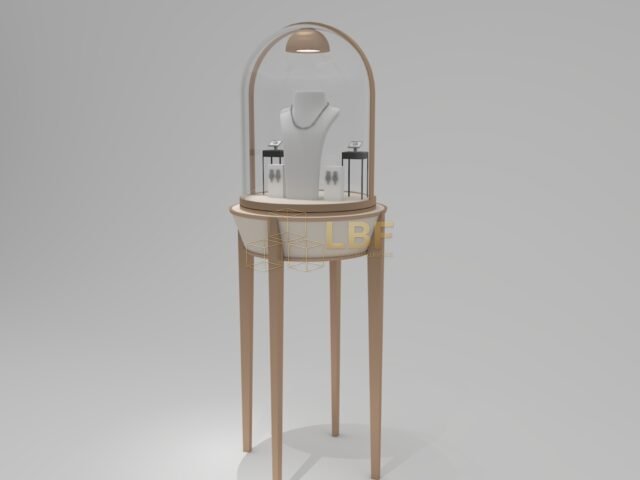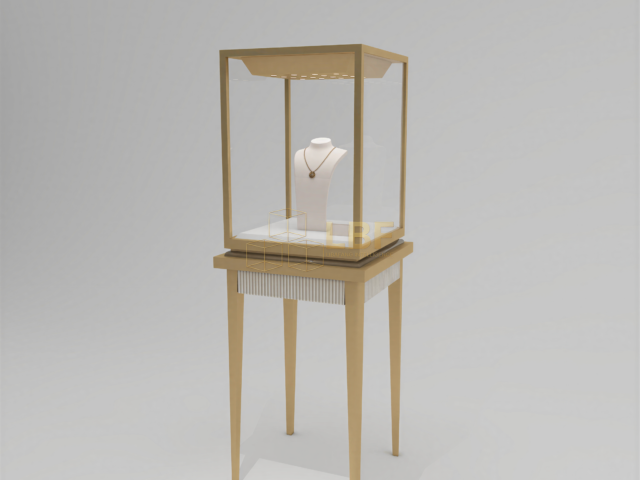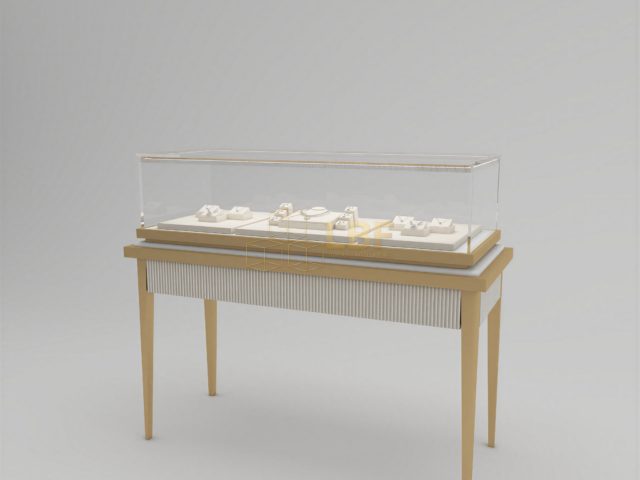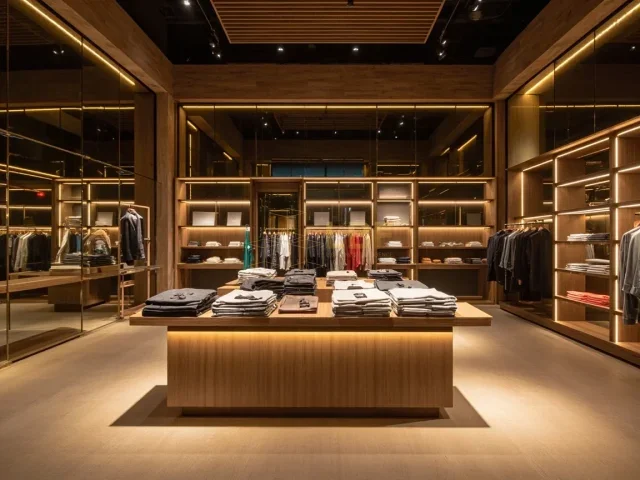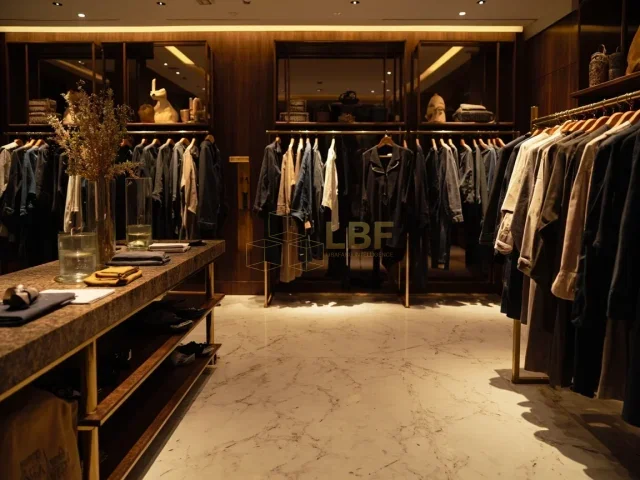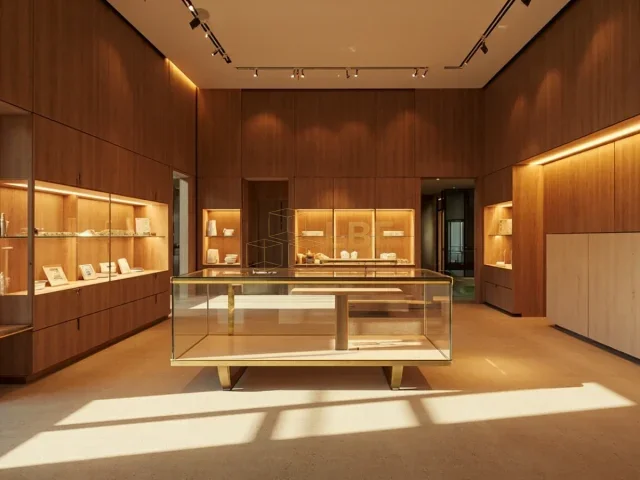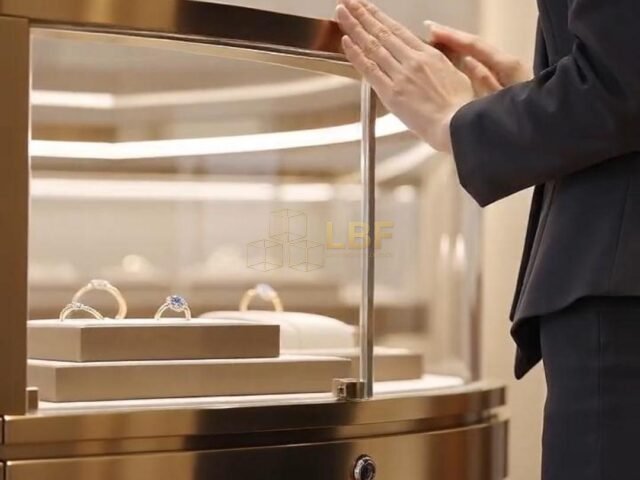

Relocating a jewelry store, watch boutique or museum gallery is rarely decided overnight, yet the display fixtures are usually the last thing anyone plans for. A typical full-height glass vitrine with LED lighting weighs 90–150 kg, and a wall-mounted watch tower can cost 1,200–3,500 USD per unit. Damaged edges, snapped wiring or lost hardware during a move can turn a two-week project into a six-week refit. The good news: with a disassembly plan written before the first screw comes out, most custom showcases can be moved two, three or even four times and still look first-day clean in the next location. This article walks through the practical steps for making your reusable luxury display fixtures survive the move and earn their place in the next store concept.
Start with a fixture register, not a moving truck
Before any packing tape is ordered, build a fixture register. Assign every unit a permanent ID — stenciled or engraved on a concealed panel, not a removable sticker — and record dimensions, weight, material composition, lighting wattage, glass thickness and the date and cost of the original build. Photograph each unit from six angles: front, back, both sides, top and the cable entry point. A 60–80 unit boutique can usually be fully registered by two people in three to five working days, and that register becomes the blueprint for both the move and the next layout. Units that appear in the register as reusable will pay back their handling cost almost immediately; custom display plinths, for example, often cost 400–900 USD each to rebuild from scratch.
Decide what is genuinely reusable
Not every fixture deserves a second life. Use a simple scorecard during the survey: structural condition, finish wear, electrical safety and dimensional fit for the new floor plan. As a rule of thumb, plan on 60–75% reuse for fixtures under five years old, and 30–50% for older stock where hardware is discontinued.
- Keep and move: framed glass vitrines, solid plinths, modular wall bays with standard extrusions, lockable drawer towers with intact hardware.
- Refurbish: units with scratched powder coating, tired interior linings, faded LED strips or worn leather inserts — refinishing usually costs 15–25% of replacement.
- Retire: warped MDF carcasses, water-damaged bases, non-standard glass, and anything with obsolete or unsafe wiring.
Write the decision next to each fixture ID. This single page prevents the most expensive relocation mistake: moving units that will be scrapped on arrival.
Disassembly sequence and hardware control
Glass first, then lighting, then panels, then carcass. Remove and coil LED leads with the driver still attached to its mounting bracket; label each coil with the fixture ID and circuit number. Keep every screw, cam, shelf pin and hinge in a labeled bag per fixture — a small parts organizer with 60 compartments costs less than 20 USD and saves hours. Photograph cable routing before disconnecting anything, and mark the wall or floor fixings with tape so the new site survey can replicate the anchoring pattern. Two technicians can typically disassemble 8–12 mid-size vitrines per day, so a 70-unit store is a nine- to ten-day job that should finish at least two weeks before the trucks arrive. Where glass panels exceed 1.2 m² or 40 kg, use two-person suction-cup lifts and edge protectors rated for the panel weight.
Packing standards that actually protect glass and lacquer
Custom foam cradles are the difference between a reusable fixture and a claims form. Budget for closed-cell PE foam at 20–30 mm for lacquered surfaces, 5 mm hardboard or plywood crating for glass over 1 m², and corner protectors on every plinth. Wrap frames in stretch film after foam so abrasion never touches the finish. Store glass vertically at a slight angle, never flat, and never stack more than three crates high. Label each crate on two adjacent faces with the fixture ID, weight, fragile warning and a QR code linking to the register entry. Climate matters too: keep packed fixtures between 10°C and 30°C and below 60% RH during storage, and never store them in an unventilated container through a humid summer.
Reinstallation, spare parts and the second life
Plan reinstallation in reverse order with a punch list per fixture. Allow one full day per 12–15 units for reassembly, leveling and lighting reconnection, plus one extra day for touch-ups. Order a spares kit at the same time as the original build — 5% extra LED strips, matching drivers, shelf pins and a small pot of the exact finish color — so minor damage does not compromise the reuse plan. When the next concept changes, modular bays from the previous store can often be re-clad rather than rebuilt, which typically cuts a refit budget by 20–35%. This is where reusable luxury display fixtures shift from a relocation tactic to a long-term asset strategy: the same plinths, towers and vitrines appear in the second, third and fourth location with new linings, lighting and branding. Libafang designs custom showcases with disassembly and future reuse in mind, using serviceable hardware, labeled wiring and modular carcass construction from the first drawing — worth specifying before the next move, not after.
If you are planning a relocation, a second boutique or a gallery refresh, send us your floor plan and fixture list. Libafang will review what can be reused, what should be refurbished and what needs rebuilding, then provide a free design and quote within a few working days.