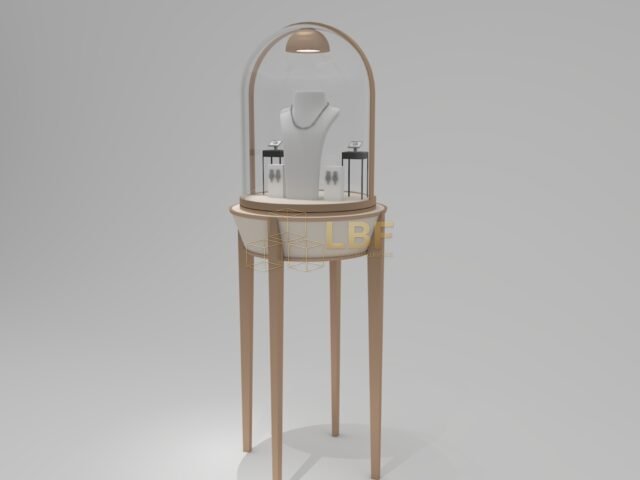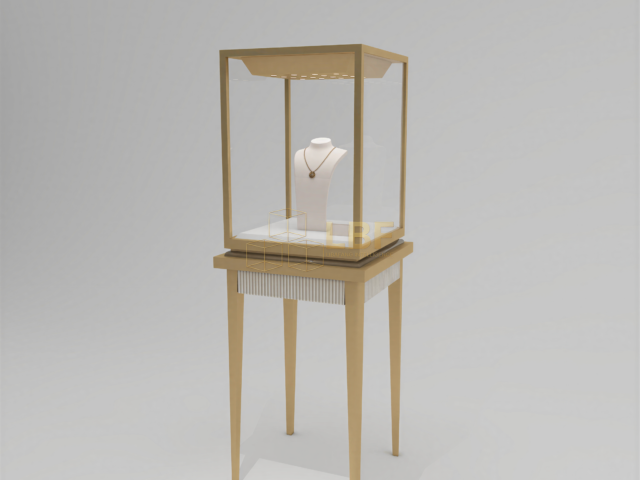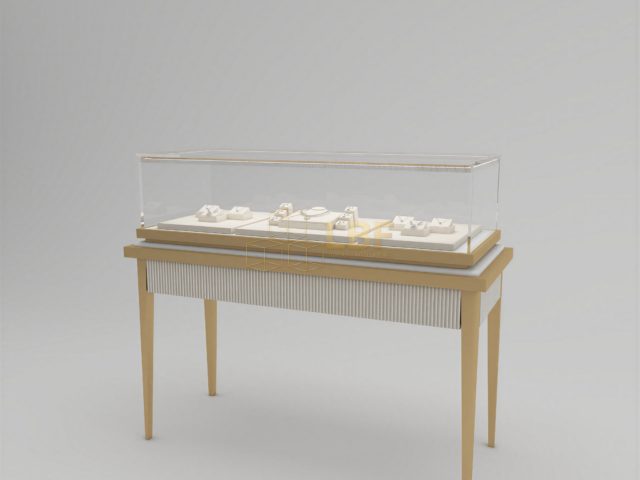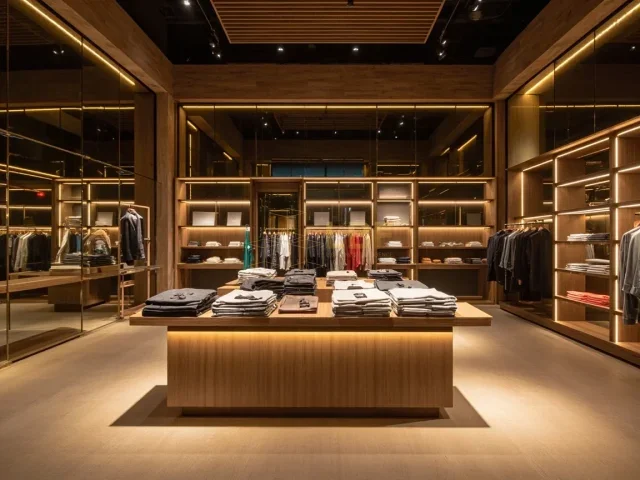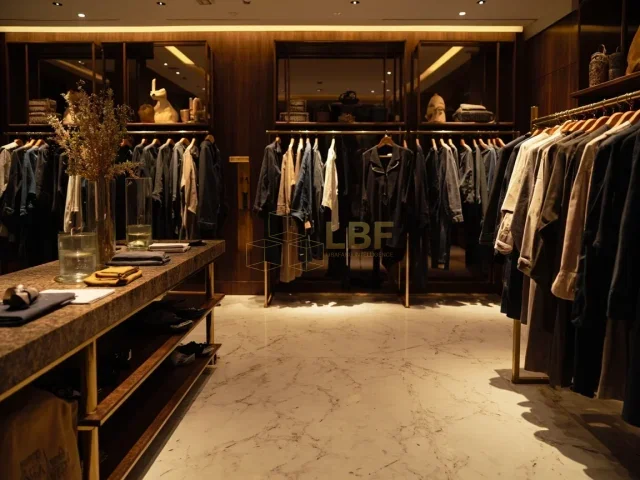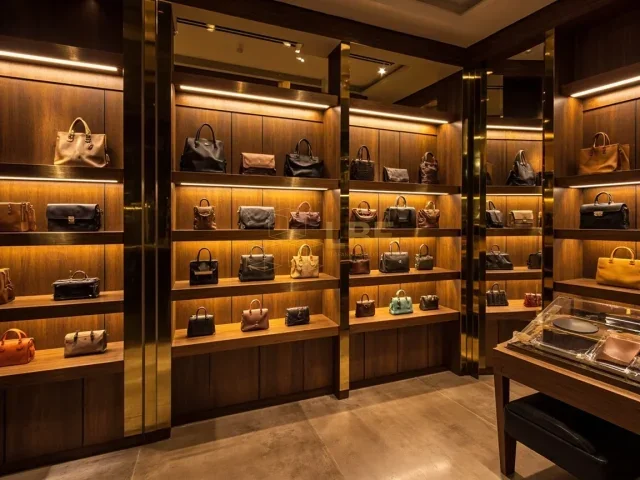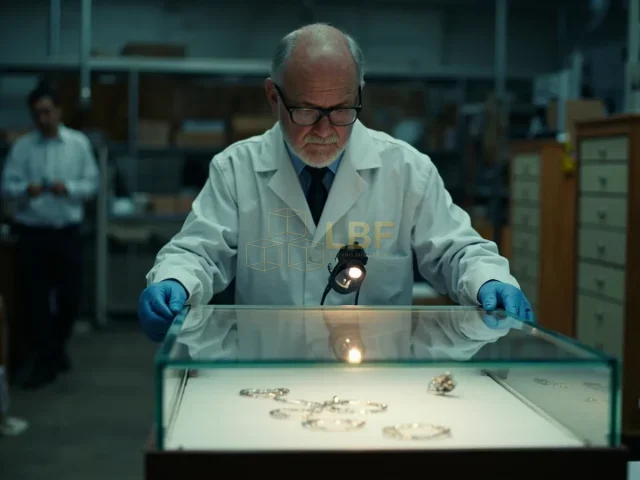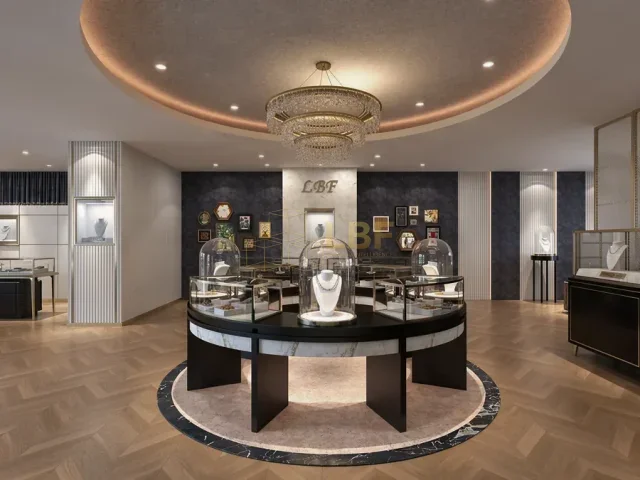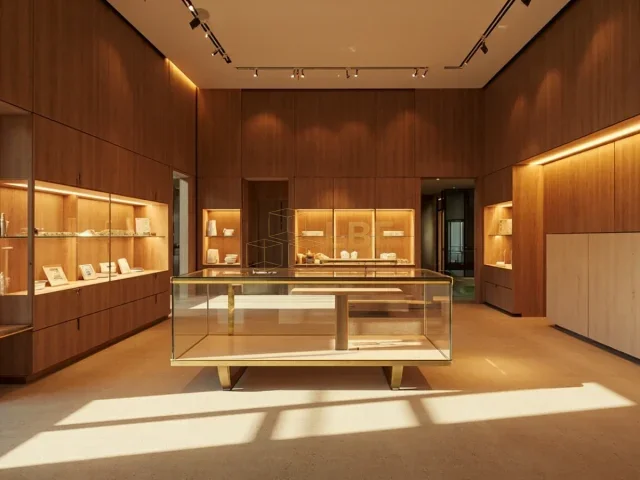
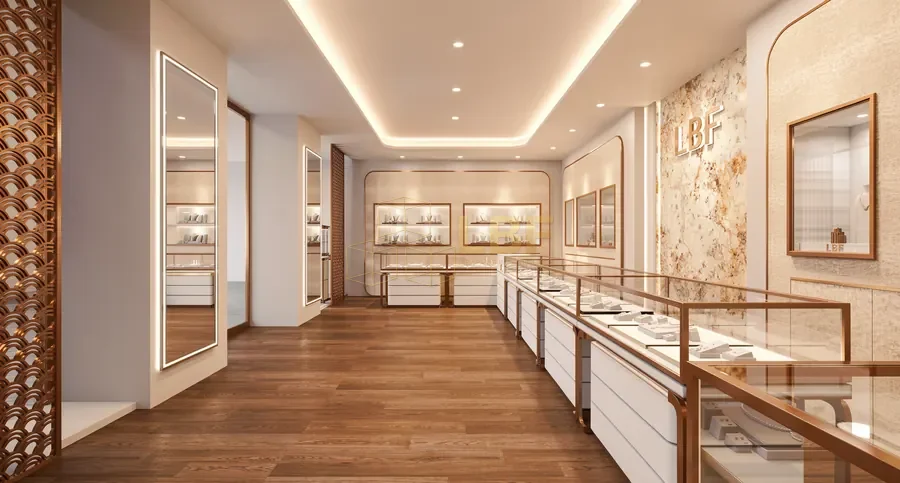
Walk into a luxury boutique and the first thing you notice is rarely a single product—it’s the breathing room around it. Display density is the silent salesperson: too sparse and the store feels unfinished, too crowded and even a $20,000 watch starts to look like inventory. For store designers, brand managers, and visual merchandisers, luxury boutique display density is a strategic decision that affects perceived value, customer dwell time, security, and replenishment speed. This article gives you concrete starting points—not vague advice—so you can set shelf rules that your team can actually follow across jewelry cases, watch towers, and museum-style vitrines.
Why density matters more in luxury than in mass retail
Mass retail optimizes for units per square meter; luxury retail optimizes for perceived value per square meter. A study of luxury watch retail consistently shows that fewer than 6–8 pieces per linear meter of shelf creates a sense of exclusivity, while more than 12 starts to read as a duty-free counter. The same logic applies to fine jewelry: a 1-meter glass shelf holding 15 rings can work if they are presented on individual risers, but 30 rings flat on the glass will cannibalize each other’s attention. The goal is not minimalism for its own sake—it is controlled scarcity that still tells a complete story.
Density also drives operational outcomes. Sparse displays mean more frequent replenishment and higher labor cost; dense displays reduce restocking but increase shrinkage risk and make cleaning harder. Finding the balance requires deciding, shelf by shelf, what job each surface is doing: hero display, story grouping, or volume replenishment.
The three-zone density model for any showcase
Instead of one rule for the whole store, divide each showcase into three vertical zones and assign a density target to each:
- Hero zone (eye level, 140–170 cm): 1–3 items per shelf, maximum 4. This is where signature pieces live. Each item should have at least 15 cm of clear space on either side.
- Story zone (90–140 cm and 170–190 cm): 4–8 items per linear meter, grouped by collection or color story. Leave 8–10 cm between groups so the eye can rest.
- Volume zone (below 90 cm or above 190 cm): 8–12 items per meter, often in trays or drawers. This is where you can afford density because the customer is not evaluating each piece individually.
For wall-mounted jewelry panels, reduce these numbers by 30% because vertical displays read as busier than horizontal shelves. For museum vitrines displaying a single artifact, ignore the model entirely—one object per case is the correct density.
Concrete density targets by product category
Use these starting numbers, then adjust based on average unit price and store format:
- Fine jewelry rings: 6–9 rings per 30 cm shelf width when on risers; 4–6 when flat.
- Necklaces on busts: 3–5 busts per meter; never overlap chains.
- Luxury watches: 8–10 pieces per meter in a tower; 4–6 in a countertop vitrine.
- High jewelry (above $10,000): 1–2 pieces per shelf, with a dedicated light pool.
- Boutique accessories: 12–16 items per meter if they are under $500 and meant for self-selection.
These ranges assume shelf depth of 35–45 cm. If your showcase is shallower than 30 cm, cut the count by 20% to avoid a cramped front edge.
How lighting and shelf depth change the math
Density is not just a count—it is a ratio of product to negative space, and lighting decides how that ratio reads. A shelf lit at 300–500 lux can handle 20% more product than the same shelf at 150 lux, because shadows between items create visual clutter. Similarly, a 40 cm deep shelf can hold two rows of product, but only the front row should be fully visible; the back row acts as backup stock and should be 30–40% less dense so staff can pull items without disturbing the display.
Glass thickness and shelf load matter too. A 10 mm tempered glass shelf in a custom showcase from Libafang is rated for 40–50 kg per square meter, which is more than enough for jewelry but relevant if you display stone or metal objects. Always confirm load ratings before adding heavy risers that effectively increase density.
A simple decision checklist for visual merchandisers
Before finalizing a shelf plan, run through these questions:
- What is the average unit price on this shelf? (Above $5,000: halve the density.)
- Is the customer meant to touch or only view? (Touch displays need 20% more space.)
- Does the shelf have a dedicated light? (If not, reduce density by 15%.)
- How often can staff restock? (Daily restocking allows 30% lower density.)
- Is there a security camera or sensor covering this zone? (Dense zones without coverage invite shrinkage.)
Document the answers and turn them into a one-page density standard for each store. Consistency across locations is what makes a luxury brand feel intentional rather than improvised.
When to break your own density rules
Rules exist to be deliberately broken. Seasonal launches, trunk shows, and museum collaborations often call for either extreme sparseness (one hero piece on a pedestal) or controlled abundance (a full color story across a 2-meter wall). The key is to break the rule on purpose and temporarily, with a plan to return to the standard density within 2–3 weeks. Permanent exceptions erode the visual discipline that luxury boutique display density is meant to protect.
If you are planning a new store or refreshing an existing one, the fastest way to get density right is to prototype it. Libafang builds custom showcases with adjustable shelving and modular risers, so you can test 1–3 density configurations before committing to a final layout. Share your floor plan and product mix and we will propose a shelf-by-shelf density plan with lighting and security notes.
Ready to set the right density for your boutique? Request a free design and quote from Libafang—send us your shelf dimensions, product categories, and target unit counts, and we will return a layout recommendation within 48 hours.