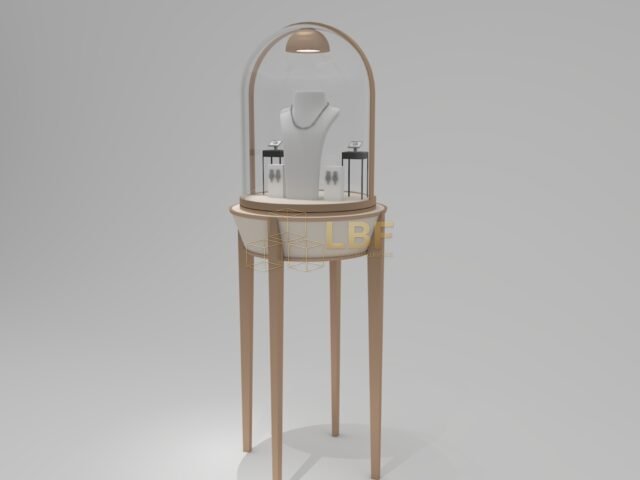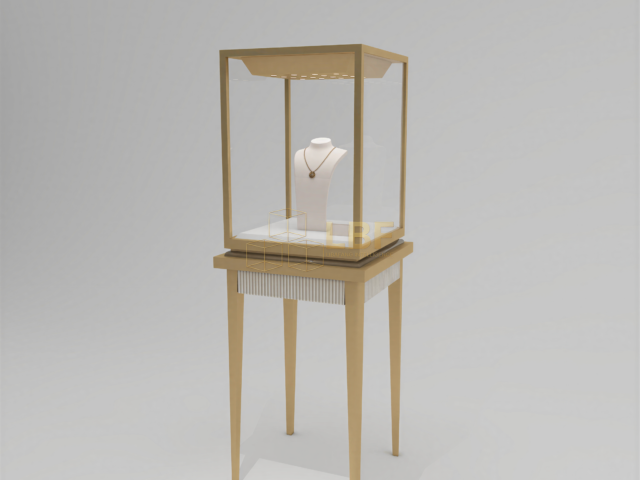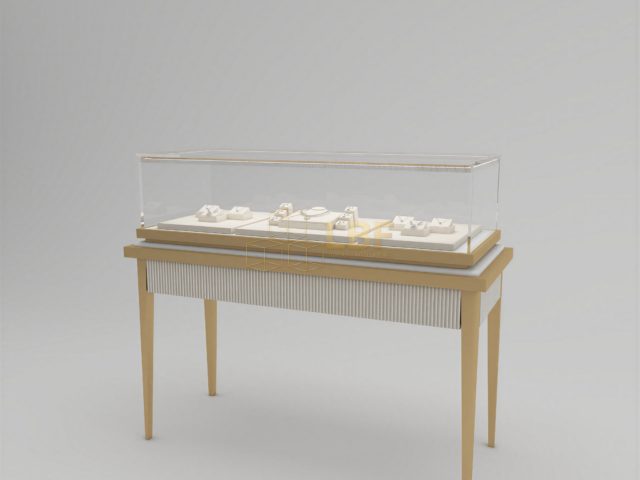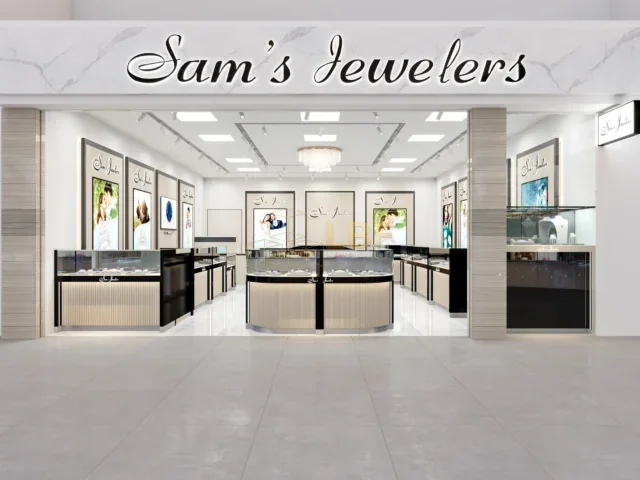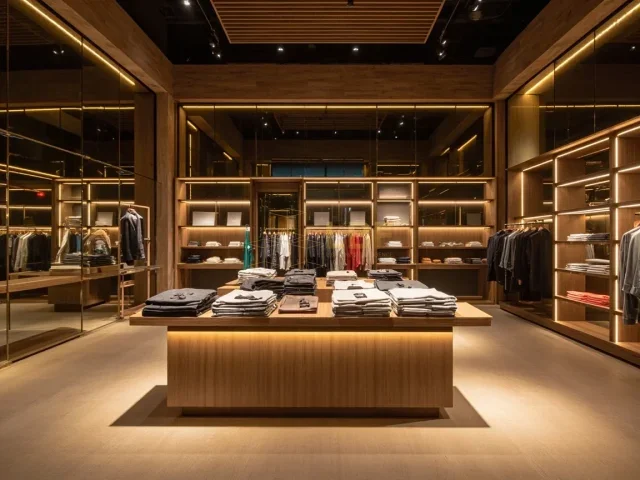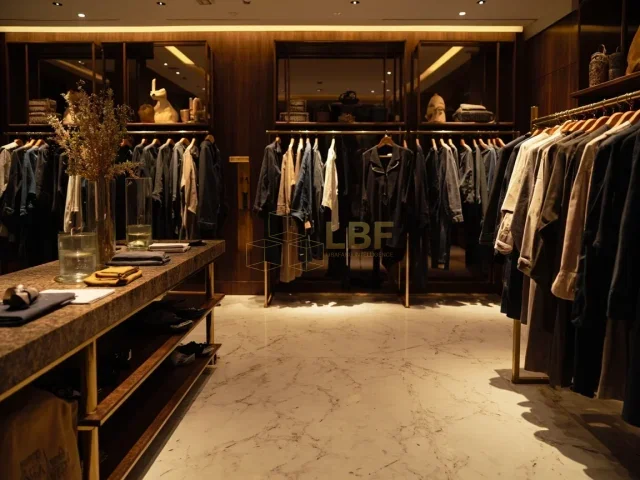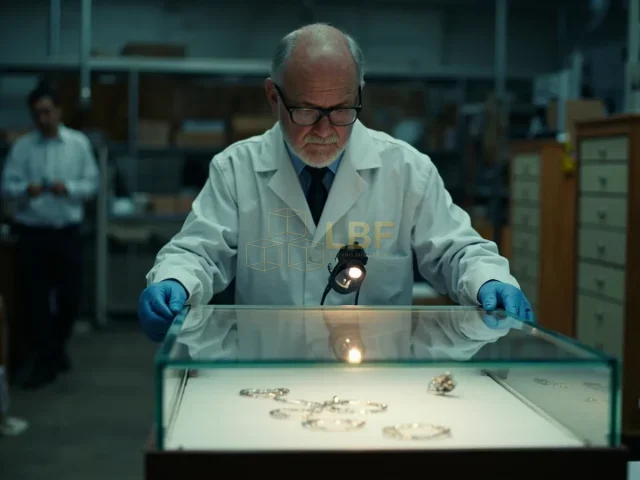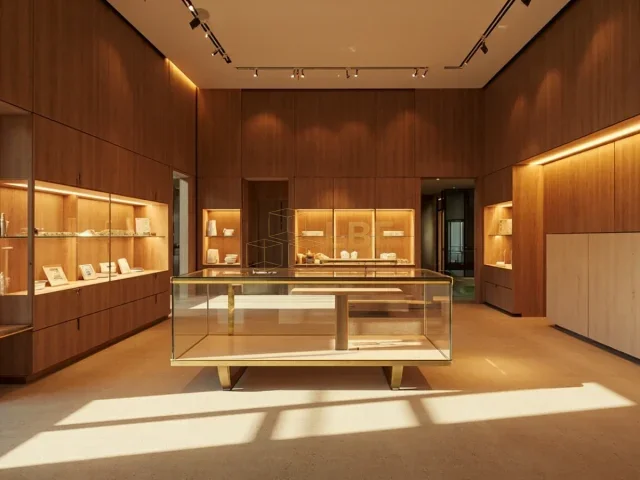
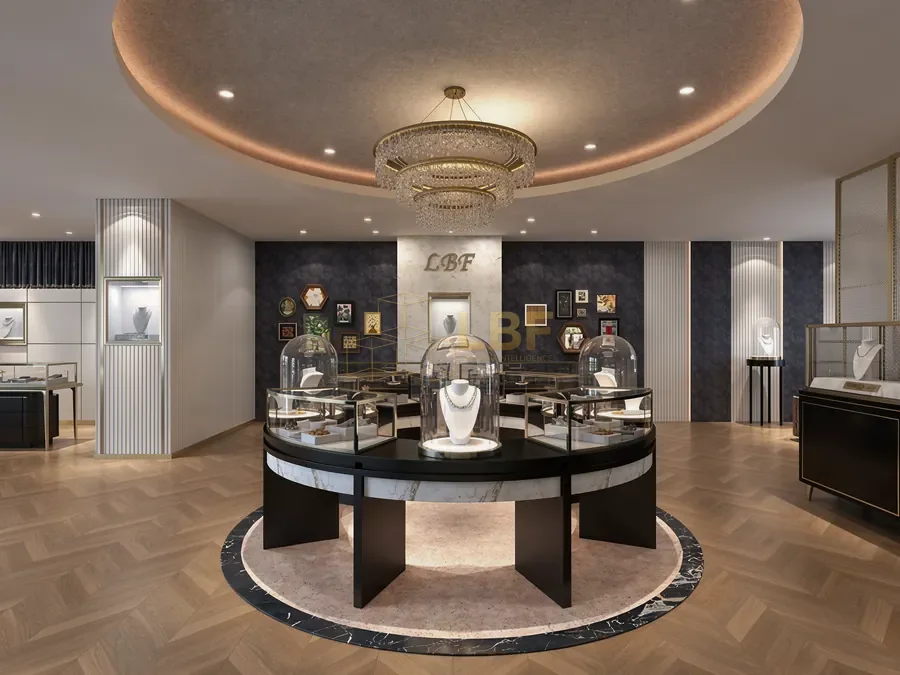
Seasonal collections demand display fixtures that adapt quickly without sacrificing luxury aesthetics. Whether you run a jewelry store, watch boutique, or museum retail shop, static showcases become a liability when inventory changes every quarter. The solution lies in adjustable luxury display fixtures—modular systems designed for reconfiguration. This guide covers practical planning steps, concrete specifications, and sourcing considerations to help you build displays that work as hard as your merchandise.
Why Adjustable Fixtures Matter for Seasonal Collections
Retailers typically refresh displays 4 to 6 times per year for seasonal launches, holidays, and limited editions. Static fixtures force compromises: trays that don’t fit new item sizes, lighting that overexposes certain stones, or shelves that can’t handle taller packaging. Adjustable luxury display fixtures solve these problems by allowing shelf height, tray depth, LED positioning, and locking mechanisms to be modified in minutes. For a brand that turns inventory 8 to 12 times annually, the labor savings alone—often 15 to 20 hours per store per season—justify the investment. More importantly, adjustable systems protect the customer experience: every collection appears custom-fitted, even when it’s not.
Core Components of an Adjustable Luxury Display System
A well-designed system comprises several interchangeable elements. Plan these before ordering:
- Shelving with adjustable pitch: Vertical supports with slots every 25–50 mm allow shelf spacing from 100 mm to 400 mm, accommodating everything from flat jewelry trays to tall watch winders.
- Removable trays and inserts: Modular trays in standard sizes (e.g., 300×200 mm, 400×300 mm) with felt or suede liners that can be swapped for seasonal colors.
- LED lighting tracks: Adjustable arms or magnetic strips that let you reposition spotlights without rewiring; aim for 3000–4000 K color temperature and 90+ CRI for accurate gemstone color rendering.
- Locking glass or acrylic panels: For high-value items, choose panels with adjustable hinges and locks that accommodate different case depths (150–300 mm).
- Base platforms: Leveling feet and modular bases that can be reconfigured from island to wall units without new fabrication.
Libafang manufactures these components to order, allowing buyers to specify slot spacing, tray dimensions, and lighting angles for their exact collection mix.
Planning Sizes and Tolerances: Numbers to Know
Adjustability only works if tolerances are tight. Specify these dimensions when briefing a manufacturer:
- Shelf load capacity: At least 30 kg per shelf for glass or stone displays; 50 kg for watch or jewelry tower units.
- Tray depth: Allow 200–250 mm for standard jewelry trays; 300+ mm for watch rolls and multi-item displays.
- Adjustment increments: 25 mm vertical increments are standard; 10 mm increments are available for premium systems.
- Clearance for lighting: Keep 100–150 mm between the top shelf and the LED track to avoid glare on polished surfaces.
- Component weight: Individual trays should weigh under 5 kg for easy handling by staff.
Also consider storage: plan for 1.5× the display area in spare trays and shelves to cover seasonal swaps without last-minute orders.
Workflow for Seasonal Reconfiguration
Even adjustable fixtures need a process. Establish a reconfiguration workflow that minimizes downtime:
- Inventory audit: Two weeks before a new collection arrives, measure the largest and smallest items (height, width, depth) and list any special requirements (e.g., necklaces needing vertical hanging).
- Component selection: Use a pre-labeled storage system for trays, shelves, and lighting arms; label each component with its size and intended use.
- Mock setup: Schedule a 2-hour dry run with the new layout before the collection lands; adjust slot positions and lighting angles using a test tray.
- Staff training: Train at least two staff members per store on unlocking, repositioning, and locking mechanisms to avoid damage.
- Post-launch review: After one week, note any components that need modification; adjust for the next season.
This workflow typically reduces changeover time from 1–2 days to 4–6 hours per store.
Material and Finish Considerations for Luxury Retail
Adjustable components must meet luxury standards while surviving repeated handling. Choose anodized aluminum for structural frames (scratch-resistant and lightweight) and powder-coated steel for bases where weight matters. For trays, MDF with 2 mm felt or suede lining is standard; for high-humidity climates, specify sealed edges to prevent warping. Glass shelves should be 6–8 mm tempered with polished edges. Avoid visible hardware: use concealed adjustment mechanisms or color-match screws to the frame. Finally, test finishes for color consistency under your store’s lighting—4000 K LEDs can make some grays look blue.
Sourcing Adjustable Luxury Display Fixtures
When evaluating manufacturers, ask for these deliverables:
- A sample adjustment kit (one shelf, one tray, one lighting arm) to test fit and finish.
- CAD drawings with slot dimensions and load ratings.
- A list of standard component sizes that can be reordered individually.
- Production lead times: 4–6 weeks is typical for custom adjustable systems; 8–10 weeks for complex lighting integration.
- Minimum order quantities: often 10–20 units per component for custom sizes, lower for standard sizes.
Libafang has supplied adjustable showcase systems to retailers in over 30 countries, with component libraries that support mixed collections. Request a free design and quote to see how adjustable luxury display fixtures can be tailored to your seasonal calendar.
Ready to plan your next collection? Contact Libafang for a free design consultation and quote—include your store dimensions, collection types, and seasonal changeover frequency, and we’ll respond within two business days.