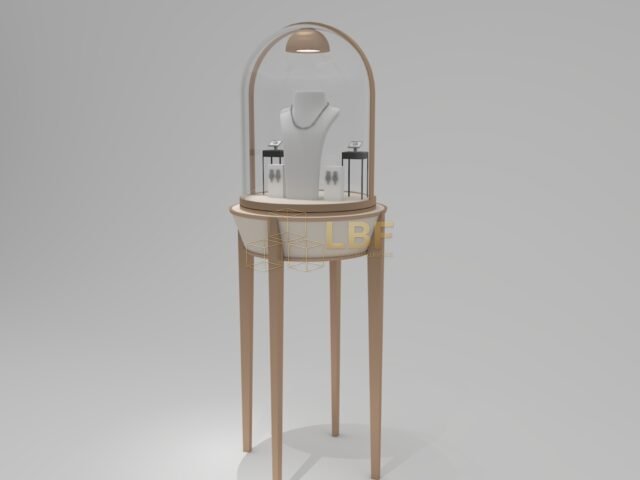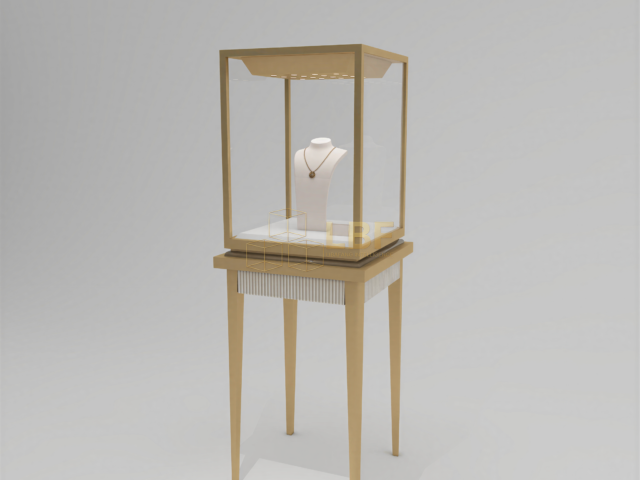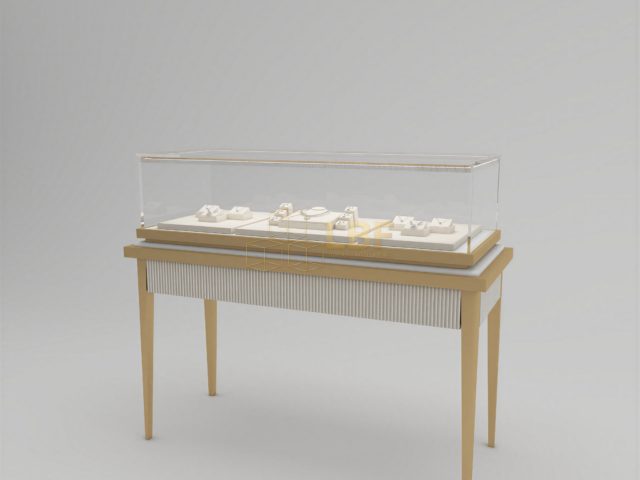
Most damage to museum objects happens slowly, in the dark, inside a sealed case. Organic acids, sulfur compounds, formaldehyde and fine particulate matter accumulate in enclosed volumes where air exchange may be as low as 0.1–1 air change per day, and concentrations can reach 10 to 100 times ambient room levels. The difficult part is not removing pollutants — it is finding them. A case built to tight tolerances can still fail on a single 20 cm strip of unsuitable foam tape. This article breaks down the common sources of museum display case pollutants by component and occupant, so you can audit a case systematically rather than guessing.
Why Enclosures Concentrate Pollutants
A well-sealed case is a double-edged tool. Low air exchange protects objects from dust and sudden humidity swings, but it also traps off-gassing compounds released by the case itself. As a working figure, a case with 0.5 air changes per day will hold a pollutant for days to weeks before it dilutes into the gallery. Corrosion research on lead and copper coupons commonly flags damage when acetic acid exceeds roughly 200–400 µg/m³ in the case microclimate, and silver tarnishes visibly at hydrogen sulfide levels in the low single-digit ppb. Those thresholds are reached easily by ordinary interior materials.
Two practical consequences follow. First, test the finished case, not just the raw materials. Second, allow a flush-out period of 2–4 weeks with doors open or vents active before installing sensitive objects.
Wood, MDF and Board Products
Wood and composite boards are the single most common source of acetic acid and formaldehyde. Oak and other acidic hardwoods release acetic acid directly; MDF, particleboard and plywood emit formaldehyde from urea-formaldehyde binders, often for months after manufacture. Even low-emission E0 or E1 boards can push a sealed case above conservative thresholds when the surface area is large.
Mitigation is well established: specify formaldehyde-free or very-low-emission boards, seal all cut edges and uncoated faces with an aluminium foil or suitable barrier film, and avoid bare wood in direct line of sight to metal objects. Powder-coated steel or anodised aluminium frames remain the safest structural choice for silver, lead and copper collections.
Adhesives, Sealants and Tapes
This is where many otherwise good cases fail. The following items are frequently found inside enclosures and should be treated as suspect until verified:
- Double-sided foam tapes used to fix graphics, labels and shelf edging, which can release solvent residues and acetic acid.
- Silicone sealants — neutral-cure types are acceptable, acetoxy-cure types are not, because they release acetic acid as they cure.
- Contact adhesives and spray glues used during assembly, which continue to off-gas for weeks.
- PVC edge banding and vinyl bumpers, which can emit plasticiser vapours and chlorides.
- Masking tape or packing tape left in place after installation, a surprisingly common oversight.
Ask suppliers for low-emission or archival-grade certificates and keep a sample of every adhesive used so the case can be re-audited later.
Fabrics, Foams and Mount-Making Materials
Textiles, felt liners, carpet inserts and foam padding are often chosen for appearance rather than chemistry. Untested wool felt can release sulfur compounds; polyurethane foams degrade and emit amines and organic acids over time. Dyed fabrics may carry residual process chemicals. For object-contact surfaces, specify washed, undyed cotton or polyester, or inert polyethylene foam, and require an Oddy test result or equivalent emission data for anything that touches the object.
The Visitors and the Gallery
Opening a case is an air-quality event. Each visitor releases water vapour, carbon dioxide and particulates, and cleaning crews introduce volatile compounds from polishes and glass cleaners. Dust entering during maintenance carries sulfates and chlorides that accelerate corrosion. Practical controls include:
- Restricting case opening to scheduled maintenance with the gallery ventilation running.
- Cleaning glass with deionised water and a residue-free agent, never ammonia-based products near metal objects.
- Using activated carbon or silica gel cassettes sized to the case volume — commonly 1–2 kg of conditioned silica gel per cubic metre, refreshed on a documented schedule.
- Logging every material brought into the case, including temporary mounts and labels.
How to Audit a Case Before It Ships
Request a material declaration for every component, then verify with a corrosion test on metal coupons placed inside the closed case for 28 days at controlled temperature. For high-value collections, consider a quantitative emission test of the assembled case atmosphere. Design choices matter as much as materials: a small, controllable ventilation port, removable liners and a documented bill of materials make future remediation far easier. At Libafang, custom cases are built with powder-coated steel or anodised aluminium frames, certified low-emission boards and a material log supplied with each unit, which shortens the flush-out period and gives conservators something to work from.
If you are specifying cases for a jewellery collection, watch boutique or museum gallery, the safest route is to fix the chemistry at the design stage. Send us your object list, case dimensions and climate targets, and our engineering team will return a material schedule plus a free design and quote within a few working days.