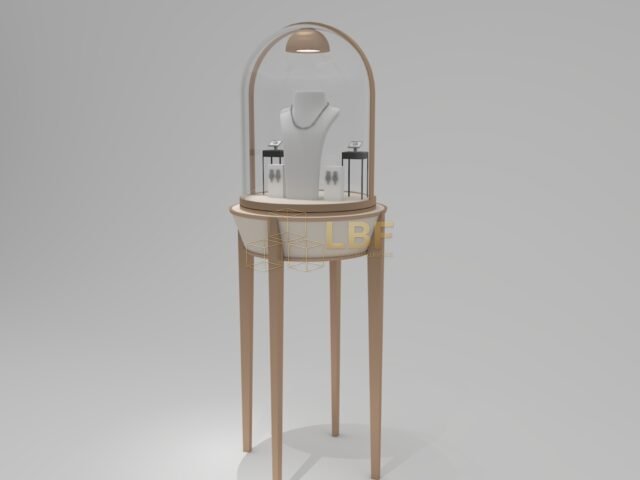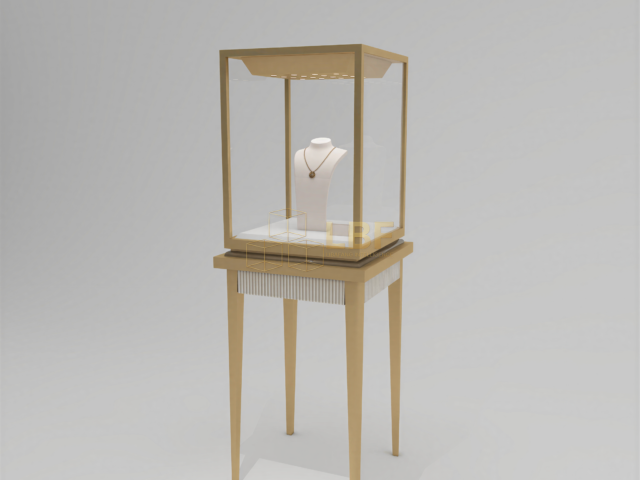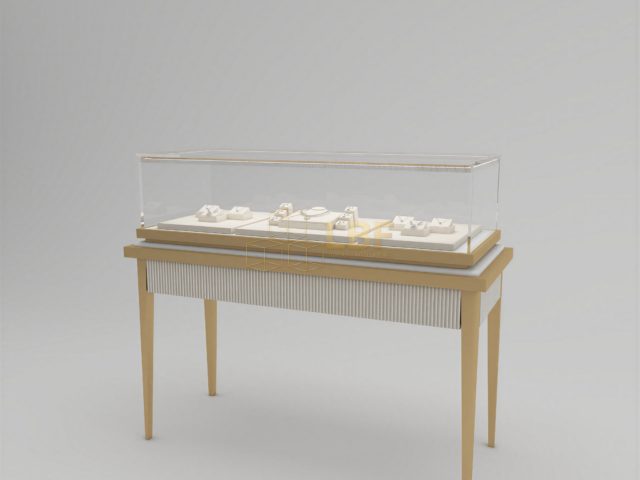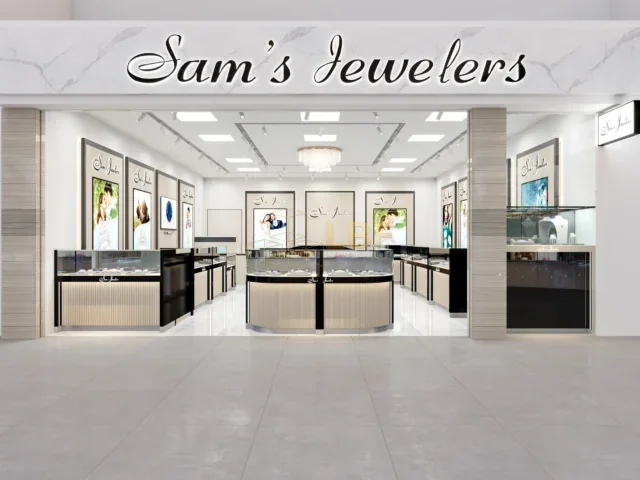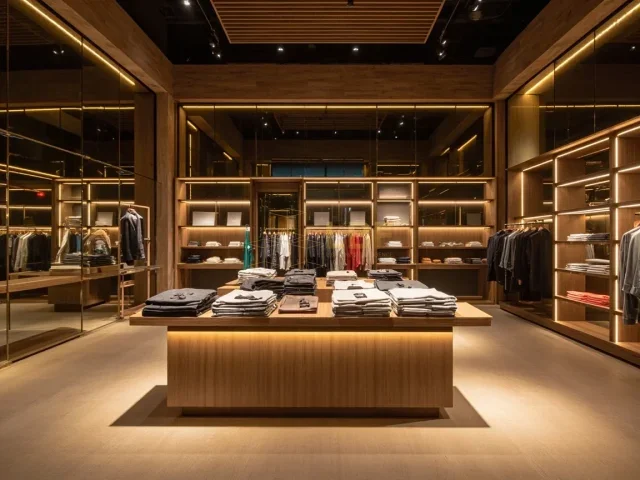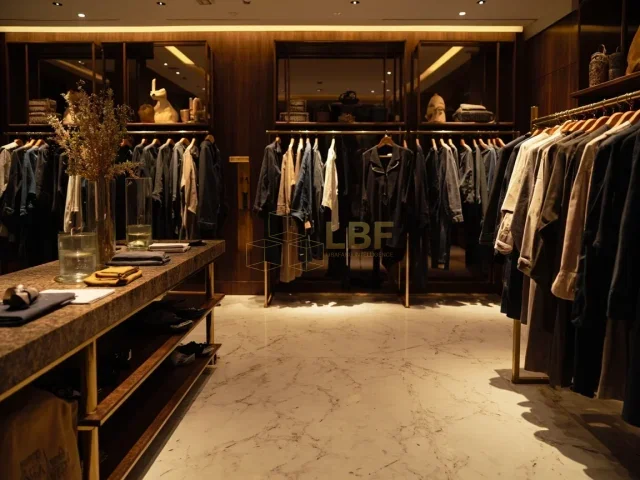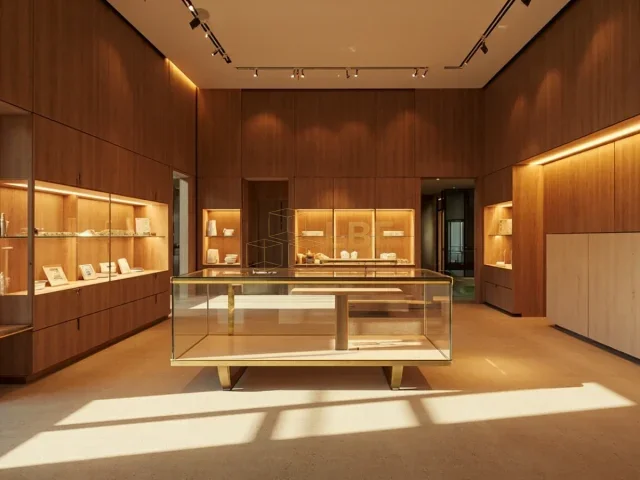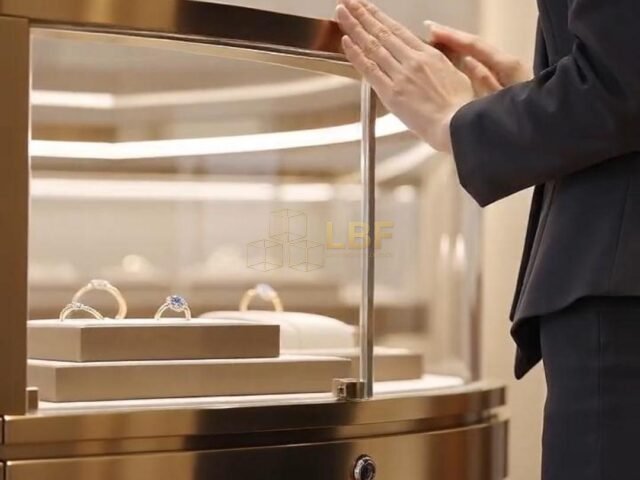
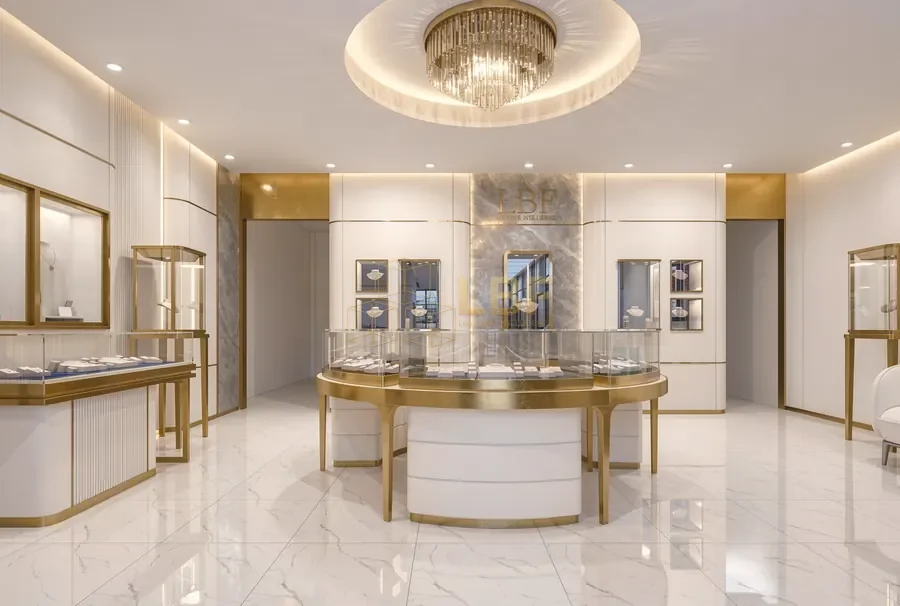
Walk into any high-performing luxury boutique and the wall display often does the quiet heavy lifting: it frames the product, controls the pace of the customer’s eye, and makes restocking feel effortless. The secret is rarely a one-off custom masterpiece. It is a repeatable bay system—a modular framework of uprights, back panels, shelves and lights that can be replicated across a store, a region, or 30 countries without losing visual discipline. Get the bay rhythm and shelf flexibility right, and your luxury boutique display wall systems will stay premium-looking through years of merchandising changes.
Start with a bay module, not a wall
Instead of designing a 6-meter wall as a single unit, break it into identical bays. A common luxury module is 900–1200 mm wide, 2200–2400 mm high, and 350–450 mm deep. Jewelry walls lean narrower (600–900 mm) because the product is small and the eye needs tighter repetition; watch boutiques often use 1000 mm bays with a 1200 mm center display; museums and luxury retail prefer 1200 mm because it accommodates larger objects and text panels.
Standardize the module early. If your flagship uses an 1100 mm bay, your airport store and franchise partners should order the same 1100 mm bay. This gives you repeatable manufacturing, faster installation, and a wall that reads as one brand even when the merchandise mix differs. Libafang manufactures these modules as a kit: uprights, horizontal rails, back panels, shelf brackets and light profiles all keyed to the same datum lines.
Set vertical and horizontal grid lines
Great display walls feel calm because every shelf and every product sits on a shared grid. Decide the following before you approve drawings:
- Shelf pitch: 50 mm or 100 mm vertical adjustment. 50 mm gives finer control for small jewelry and watch trays; 100 mm is faster for handbags and lifestyle objects.
- Shelf depth: typically 200–350 mm. Keep the depth consistent per bay so shelf brackets can be swapped without re-drilling.
- Back panel joints: align them to bay edges, not to shelf lines, so the wall looks continuous when shelves are removed.
- Lighting datum: place LED profiles at the top of each bay and under the front edge of shelves at a consistent height—usually 600–700 mm above the shelf below.
Once these lines are locked, merchandisers can rearrange a wall in under two hours instead of two days.
Design shelf flexibility without visual noise
Flexibility is not about having twenty bracket types. It is about a small family of parts that work together. A practical system uses three shelf types: a glass shelf for jewelry and watches, a wood or leather-wrapped shelf for handbags, and a solid shelf with a drawer or lock for high-value items. All three should share the same bracket interface and the same front-edge thickness—20 mm is a good standard—so swapping them does not create a visible step.
Use concealed adjustment: slotted uprights behind the back panel, or a channel that hides the bracket. Visible slots look industrial and cheapen a luxury interior. If you need maximum flexibility, specify a 25 mm slot pitch and a locking pin that can be operated with one hand; staff should not need tools to move a shelf.
Integrate lighting and power at the bay level
Lighting is the most common retrofit headache. Plan it into the module: a 24 V LED profile at the top of each bay, pre-wired to a central driver, and shelf lights with plug-in connectors that reach a vertical power track. Allow 8–12 W per meter of shelf lighting for jewelry, 12–18 W for handbags, and use 3000 K–3500 K color temperature to keep gold and leather looking natural. Keep drivers accessible in a top or side service channel; a failed driver should be replaceable in 15 minutes without dismantling the wall.
For exported projects, specify a universal driver input (100–240 V) and local plug adapters. This single decision can save weeks on international rollouts.
Materials and tolerances that survive daily use
Luxury walls are touched constantly. Use 1.5–2.0 mm powder-coated steel for uprights, 18 mm moisture-resistant MDF or plywood for back panels, and 8–10 mm tempered glass for shelves. Specify a powder coat thickness of 60–80 microns and a scratch-resistant finish on wood surfaces. Tolerances matter: bay width should be held to ±1 mm, shelf flatness to ±0.5 mm, and door gaps to 2–3 mm. These numbers keep repeated bays looking identical after installation in different stores.
Libafang builds these systems in Guangzhou with jig-based assembly, so the tenth bay matches the first. For buyers planning multiple locations, request a sample bay and a tolerance report before approving the full order.
Plan for rollout and future change
A repeatable bay system should include a simple installation manual: datum heights, torque settings, light wiring diagram, and a spare-parts list. Keep 5% spare brackets and 2% spare LED profiles per project. Design the wall so that a new product category can be added by changing shelves and graphics, not by cutting metal. That is what makes luxury boutique display wall systems a long-term asset rather than a fit-out cost.
Ready to plan your wall? Send your floor plan, product dimensions and brand guidelines to Libafang for a free design and quote. We will return a bay layout, shelf schedule and lighting plan within five working days.