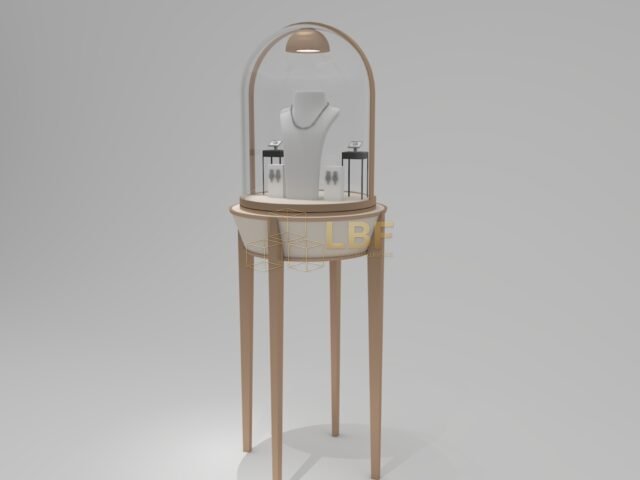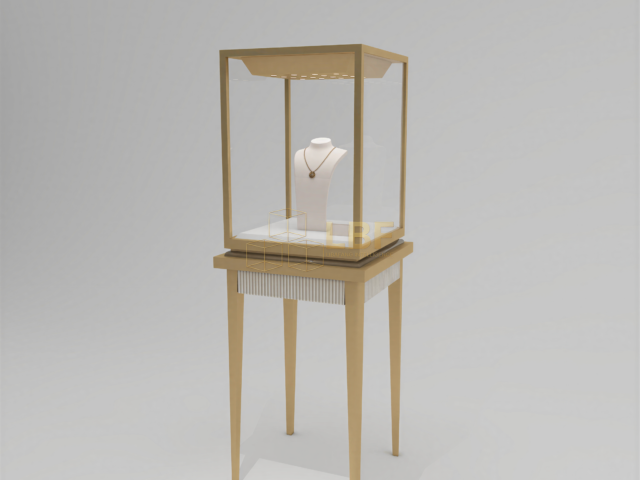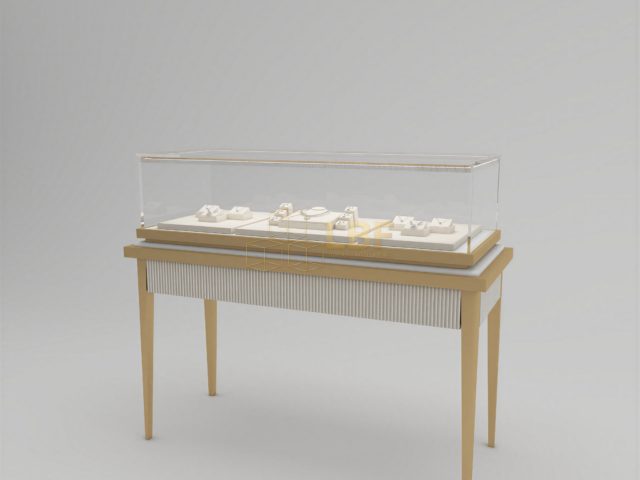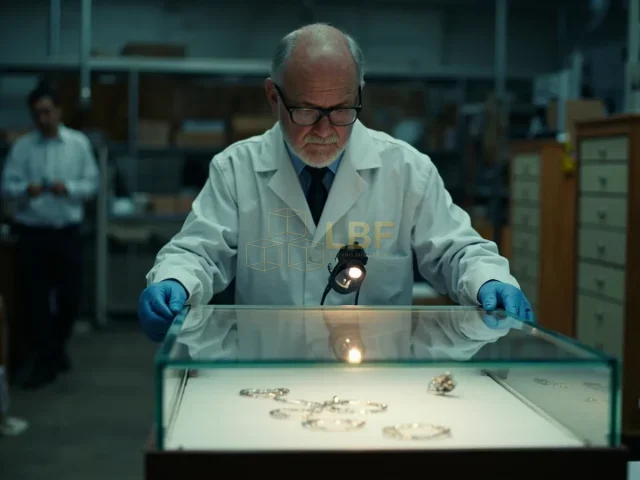

A museum display case is a controlled environment, a security barrier, and a piece of furniture all at once. When it fails, the consequences range from a fogged pane of glass or a stuck lock to accelerated object deterioration. Yet maintenance is often reactive: a lamp dies, a door starts squeaking, someone reseals a gasket in a hurry. The fix is a written plan that sets inspection intervals by risk, assigns responsibility, and logs every check and change. This guide covers how to build that plan for museum display case maintenance, with realistic intervals and record-keeping practices that survive staff turnover and audits.
Why a Fixed Schedule Beats Ad Hoc Repairs
Unplanned repairs cost more than planned checks, and they almost always happen at the worst time — the week before an exhibition opening. A schedule has three concrete benefits. First, it catches slow failures: silicone gaskets harden, hinges loosen, and silica gel saturates over weeks rather than hours. Second, it produces records. Registrars and conservators increasingly need evidence that a case holding an object has been checked for pest entry, humidity drift, and lock function. Third, it extends service life. A stainless steel hinge lubricated annually can outlast an unlubricated one by years; a door aligned every six months prevents gasket compression that would otherwise require replacement.
Treat the plan as a living document with a named owner. In most institutions, that is the exhibitions or facilities manager, with conservators consulted on any change that affects the case interior.
Set Inspection Intervals by Case Risk
Not every case needs the same attention. Classify each unit by what it holds and where it sits, then set frequencies accordingly. A workable tiering for museum display case maintenance looks like this:
- Tier 1 – High-value or environmentally sensitive cases (manuscripts, metals prone to corrosion, textiles, anything on loan): visual check weekly; gasket and seal check monthly; full environmental and lock inspection quarterly.
- Tier 2 – General collection cases: visual check monthly; full inspection every six months.
- Tier 3 – Low-risk decorative or interpretive cases: full inspection annually, with a mid-year visual walk-through.
Add event-driven checks on top of the calendar: after any gallery rehang, after building work in or near the gallery (dust and vibration are hard on seals and glass), after a security incident, and immediately after any reported fault. Also inspect climate control components seasonally, since HVAC transitions in spring and autumn put the most stress on case humidity buffers.
The Checklist: What a Real Inspection Covers
A check that consists of “looks fine” is not a check. Standardise the items so results are comparable over time. A practical list for each case visit covers:
- Structure and glazing: frame alignment, door drop or racking, glass or acrylic surface damage, edge chips.
- Seals and gaskets: compression, hardening, discolouration, gaps at corners.
- Locks and hardware: key or cylinder operation, latch engagement, hinge lubrication, tamper-evident seals intact.
- Environment: internal temperature and relative humidity readings against target bands, silica gel or buffering material condition and replacement dates.
- Lighting: lamp function, colour shift, dust on fixtures, lux and UV levels where objects are light-sensitive.
- Cleanliness and pest evidence: dust inside the case, insect frass, dead insects at seal junctions.
- Safety: anti-tip stability, floor fixings, accessibility of emergency release.
Keep the list to one page per case so it actually gets completed. Where readings are taken, record numbers — “RH 48% at 14:20” is auditable; “RH normal” is not.
Recording Changes: The Log Is the Plan
The schedule creates inspections; the log creates institutional memory. Every entry should answer four questions: what was checked, what was found, what was changed, and who did it. Include the date, the case ID, the inspector’s name, and a signature or initials. Photograph anything unusual before and after repair — a phone photo referenced in the log is enough.
Maintain two documents. The first is a per-case maintenance log stored near the case or in a shared digital folder, capturing routine checks, adjustments, and part replacements. The second is a change register: any modification that alters the case’s performance or appearance — new gasket material, a different silica gel type, a lamp upgraded to a higher CRI — should be recorded with the old specification, the new one, the reason, and the date. Conservators need this when interpreting environmental data months later, and warranty claims are far easier when the original specification and all subsequent changes are documented.
Migrate logs to a digital system where possible. Shared spreadsheets with a weekly reminder are enough for most institutions; avoid single-person notebooks that leave with the staff member.
Spare Parts, Timing, and Budgeting
Plan for consumables and lead times rather than discovering them mid-crisis. Common failure items are gaskets, silica gel or other sorbents, hinges, lock cylinders, and lamp modules. Keep a small stock of the consumables used in your highest-risk cases, and know the typical lead time for replacement gaskets — for custom cases this can be four to eight weeks. Budget maintenance at roughly 2–4% of the case’s original cost per year for routine care, with a separate reserve for glass replacement or sealed-unit service.
For cases built by a specialist manufacturer, get the as-built drawings, material specifications, and recommended service intervals at handover, and confirm the warranty terms in writing. Libafang supplies this documentation set with every custom showcase and can advise on gasket and hardware replacement schedules matched to gallery conditions in the destination country.
Making the Plan Stick
Review the whole plan annually. Look at the log data and ask three questions: how many Tier 1 checks were missed, which failures recurred, and did any environment reading drift beyond target for more than a few days? Adjust intervals accordingly — a case with two RH excursions in a year probably needs monthly, not quarterly, environmental checks. Retrain staff whenever the checklist changes, and keep the plan visible at the gallery level so inspectors and guards know whom to notify.
If you are specifying new cases or refurbishing existing ones, ask for a maintenance schedule and parts list at the quotation stage. Libafang can provide a free design and quote for custom display cases with maintenance documentation tailored to your collection and climate, so your team starts with a plan rather than a repair backlog.